Über dieses Buch

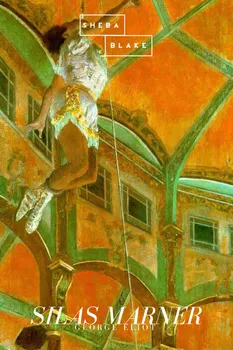
Silas Marner is the third novel by George Eliot, published in 1861. An outwardly simple tale of a linen weaver, it is notable for its strong realism and its sophisticated treatment of a variety of issues ranging from religion to industrialisation to community. The novel is set in the early years of the 19th century. Silas Marner, a weaver, is a member of a small Calvinist congregation in Lantern Yard, a slum street in an unnamed city in Northern England. He is falsely accused of stealing the congregation's funds while watching over the very ill deacon. Two clues are given against Silas: a pocket knife, and the discovery in his own house of the bag formerly containing the money. There is the strong suggestion that Silas' best friend, William Dane, has framed him, since Silas had lent his pocket knife to William shortly before the crime was committed. Silas is proclaimed guilty. The woman Silas was to marry breaks their engagement and later marries William. With his life shattered and his heart broken, Silas leaves Lantern Yard and the city. Marner travels south to the Midlands and settles near the rural village of Raveloe, where he lives alone, choosing to have only minimal contact with the residents. He comes to adore the gold he earns and hoards from his weaving. The gold is stolen by Dunstan ("Dunsey") Cass, a dissolute younger son of Squire Cass, the town's leading landowner. Silas sinks into a deep gloom, despite the villagers' attempts to aid him. Dunsey disappears, but little is made of this not unusual behaviour, and no association is made between him and the theft. Godfrey Cass, Dunsey's elder brother, also harbours a secret. He is married to, but estranged from, Molly Farren, an opium-addicted woman of low birth living in another town. This secret prevents Godfrey from marrying Nancy Lammeter, a young woman of high social and moral standing.
Starte noch heute mit diesem Buch für € 0

  • Hole dir während der Testphase vollen Zugriff auf alle Bücher in der App
  • Keine Verpflichtungen, jederzeit kündbar
Jetzt kostenlos testen
Mehr als 52 000 Menschen haben Nextory im App Store und auf Google Play 5 Sterne gegeben.

Mehr von George Eliot

  1. Neu
    3.0

    Middlemarch : Roman

    George Eliot

  2. Grundlegende Werke des Feminismus : Texte zur Frauenfrage, Geschlechterrollen und feministischen Ideengeschichte

    Virginia Woolf, George Sand, Louise Otto, Clara Zetkin, Rosa Luxemburg, Rosa Mayreder, Bertha Pappenheim, Grete Meisel-Heß, George Eliot, Luise Ahlborn, Adalbert Stifter, Jane Austen, Wilhelmine von Hillern, Charlotte Brontë, Nathaniel Hawthorne, Daniel Defoe, Victor Hugo, Anne Brontë, Henrik Ibsen, Hedwig Dohm, Sinclair Lewis

  3. Bestbewertet
    4.8

    Middlemarch

    George Eliot

  4. Neu

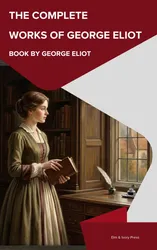
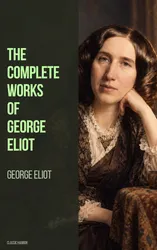
    The Complete Works of George Eliot

    George Eliot

  5. Neu

    Felix Holt, the Radical

    George Eliot

  6. Neu
    3.6

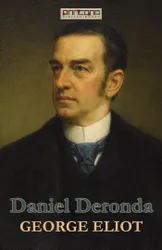
    Silas Marner

    George Eliot

  7. Bestbewertet
    4.8

    Middlemarch

    George Eliot

  8. Neu

    Romola

    George Eliot

  9. Neu

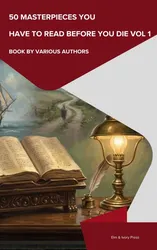
    50 Masterpieces you have to read before you die vol: 1

    Louisa May Alcott, Jane Austen, Honoré de Balzac, Henri Barbusse, Anne Brontë, Charlotte Brontë, Emily Brontë, Edgar Rice Burroughs, Samuel Butler, Lewis Carroll, Willa Cather, Miguel de Cervantes, Kate Chopin, John Cleland, Wilkie Collins, Joseph Conrad, Charles Dickens, Fyodor Dostoevsky, Alexandre Dumas, George Eliot, Ralph Waldo Emerson, Gustave Flaubert, E. M. Forster, H. Rider Haggard, Thomas Hardy, Nathaniel Hawthorne, Robert Heinlein, Victor Hugo, Aldous Huxley, Henry James, D. H. Lawrence, H.P. Lovecraft, Herman Melville, John Milton, Robert Musil, Vladimir Nabokov, George Orwell, Edgar Allan Poe, Marcel Proust, William Shakespeare, Mary Shelley, Leo Tolstoy

  10. Neu

    The Complete Works of George Eliot

    George Eliot

  11. Neu

    50 Masterpieces you have to read before you die vol: 1

    Louisa May Alcott, Jane Austen, Honoré de Balzac, Henri Barbusse, Anne Brontë, Charlotte Brontë, Emily Brontë, Edgar Rice Burroughs, Samuel Butler, Lewis Carroll, Willa Cather, Miguel de Cervantes, Kate Chopin, John Cleland, Wilkie Collins, Joseph Conrad, Charles Dickens, Fyodor Dostoevsky, Alexandre Dumas, George Eliot, Ralph Waldo Emerson, Gustave Flaubert, E. M. Forster, H. Rider Haggard, Thomas Hardy, Nathaniel Hawthorne, Robert Heinlein, Victor Hugo, Aldous Huxley, Henry James, D. H. Lawrence, H.P. Lovecraft, Herman Melville, John Milton, Robert Musil, Vladimir Nabokov, George Orwell, Edgar Allan Poe, Marcel Proust, William Shakespeare, Mary Shelley, Leo Tolstoy

  12. 3.6

    Silas Marner

    George Eliot