Meditations on First Philosophy (Annotated) : Enriched Edition. A Philosophical Treatise in Which the Existence of God and the Immortality of the Soul Are Demonstrated

In Meditations on First Philosophy, René Descartes undertakes one of the foundational inquiries of modern philosophy: the search for indubitable knowledge. Cast in the intimate, rigorous form of six meditations, the work moves from radical doubt to the cogito, the existence of God, and the distinction between mind and body. Its style is spare yet dramatic, combining scholastic precision with a new inwardness that helped redirect philosophy from inherited authority toward self-reflective reason. Descartes, a French philosopher, mathematician, and scientist, wrote at a moment when Aristotelian scholasticism was being challenged by the rise of mathematical physics and experimental inquiry. His own achievements in geometry and mechanics shaped his desire for a secure method applicable beyond mathematics. The Meditations reflects both his scientific ambitions and his concern to establish metaphysical foundations capable of supporting knowledge, theology, and the emerging modern sciences. This book is indispensable for readers interested in philosophy, intellectual history, theology, or the origins of modern thought. It rewards slow reading, not because it is obscure, but because each argument is carefully staged. For anyone seeking to understand skepticism, certainty, consciousness, or the modern self, Descartes' masterpiece remains essential.

This enriched edition has been carefully crafted to add value to your reading experience.

- A succinct Introduction situates the work's timeless appeal and themes.

- The Synopsis outlines the central plot, highlighting key developments without spoiling critical twists.

- A detailed Historical Context immerses you in the era's events and influences that shaped the writing.

- An Author Biography reveals milestones in the author's life, illuminating the personal insights behind the text.

- A thorough Analysis dissects symbols, motifs, and character arcs to unearth underlying meanings.

- Reflection questions prompt you to engage personally with the work's messages, connecting them to modern life.

- Hand‐picked Memorable Quotes shine a spotlight on moments of literary brilliance.

- Interactive footnotes clarify unusual references, historical allusions, and archaic phrases for an effortless, more informed read.
À propos de ce livre

In Meditations on First Philosophy, René Descartes undertakes one of the foundational inquiries of modern philosophy: the search for indubitable knowledge. Cast in the intimate, rigorous form of six meditations, the work moves from radical doubt to the cogito, the existence of God, and the distinction between mind and body. Its style is spare yet dramatic, combining scholastic precision with a new inwardness that helped redirect philosophy from inherited authority toward self-reflective reason. Descartes, a French philosopher, mathematician, and scientist, wrote at a moment when Aristotelian scholasticism was being challenged by the rise of mathematical physics and experimental inquiry. His own achievements in geometry and mechanics shaped his desire for a secure method applicable beyond mathematics. The Meditations reflects both his scientific ambitions and his concern to establish metaphysical foundations capable of supporting knowledge, theology, and the emerging modern sciences. This book is indispensable for readers interested in philosophy, intellectual history, theology, or the origins of modern thought. It rewards slow reading, not because it is obscure, but because each argument is carefully staged. For anyone seeking to understand skepticism, certainty, consciousness, or the modern self, Descartes' masterpiece remains essential.

This enriched edition has been carefully crafted to add value to your reading experience.

- A succinct Introduction situates the work's timeless appeal and themes.

- The Synopsis outlines the central plot, highlighting key developments without spoiling critical twists.

- A detailed Historical Context immerses you in the era's events and influences that shaped the writing.

- An Author Biography reveals milestones in the author's life, illuminating the personal insights behind the text.

- A thorough Analysis dissects symbols, motifs, and character arcs to unearth underlying meanings.

- Reflection questions prompt you to engage personally with the work's messages, connecting them to modern life.

- Hand‐picked Memorable Quotes shine a spotlight on moments of literary brilliance.

- Interactive footnotes clarify unusual references, historical allusions, and archaic phrases for an effortless, more informed read.

Commencez ce livre dès aujourd'hui pour 0 €

  • Accédez à tous les livres de l'app pendant la période d'essai
  • Sans engagement, annulez à tout moment
Essayer gratuitement
Plus de 52 000 personnes ont noté Nextory 5 étoiles sur l'App Store et Google Play.

  1. Nouveau

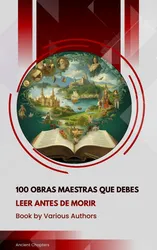
    100 obras maestras que debes leer antes de morir

    Francis Scott Fitzgerald, Mary Shelley, Lyman Frank Baum, Edith Nesbit, Dante Alighieri, Jane Austen, Ambrose Bierce, Emily Brontë, Edgar Rice Burroughs, Lewis Carroll, Wilkie Collins, René Descartes, Charles Dickens, Emily Dickinson, Alexandre Dumas, Gustave Flaubert, Benito Pérez Galdós, Johann Wolfgang Goethe, Thomas Hardy, E. T. Hoffmann, Washington Irving, Henry James, James Joyce, Franz Kafka, Gaston Leroux, Federico García Lorca, H.P. Lovecraft, Publio Virgilio Marón, Lucy Maud Montgomery, John William Polidori, Marco Polo, Antoine de Saint-Exupéry, Emilio Salgari, Walter Scott, Mark Twain, Jules Verne

  2. 4.6

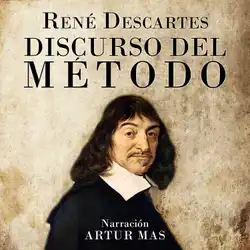
    Discurso del Método

    René Descartes

  3. 100 Obras Maestras Que Debes Leer Antes De Morir

    Francis Scott Fitzgerald, Mary Shelley, Lyman Frank Baum, Edith Nesbit, Dante Alighieri, Jane Austen, Ambrose Bierce, Emily Brontë, Edgar Rice Burroughs, Lewis Carroll, Wilkie Collins, René Descartes, Charles Dickens, Emily Dickinson, Alexandre Dumas, Gustave Flaubert, Benito Pérez Galdós, Johann Wolfgang von Goethe, Thomas Hardy, E T A Hoffmann, Washington Irving, Henry James, James Joyce, Franz Kafka, Gaston Leroux, Federico García Lorca, H.P. Lovecraft, Publio Virgilio Marón, Lucy Maud Montgomery, John William Polidori, Marco Polo, Antoine de Saint-Exupéry, Emilio Salgari, Walter Scott, Mark Twain, Jules Verne, H.G. Wells, Edith Wharton, Mary Wollstonecraft, Fernando de Rojas

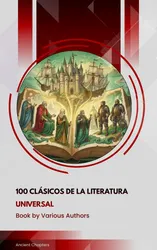
  4. 100 Clásicos de la Literatura Universal

    Francis Scott Fitzgerald, Mary Shelley, Lyman Frank Baum, Louisa May Alcott, Dante Alighieri, Jane Austen, Ambrose Bierce, Emily Brontë, Edgar Rice Burroughs, Lewis Carroll, Wilkie Collins, René Descartes, Charles Dickens, Emily Dickinson, Alexandre Dumas, Gustave Flaubert, Benito Pérez Galdós, Johann Wolfgang von Goethe, Thomas Hardy, E T A Hoffmann, Washington Irving, Henry James, James Joyce, Franz Kafka, Gaston Leroux, Federico García Lorca, H.P. Lovecraft, Publio Virgilio Marón, Lucy Maud Montgomery, John William Polidori, Marco Polo, Antoine de Saint-Exupéry, Emilio Salgari, Walter Scott, Mark Twain, Jules Verne, Julio Verne, H.G. Wells, Edith Wharton, Mary Wollstonecraft, Stefan Zweig, Sun Tzu, Bram Stoker, - Aristoteles, George Bernard Shaw, Henryk Sienkiewicz, Concepción Arenal, Charlotte Brontë, Miguel de Cervantes, G.K. Chesterton, Daniel Defoe, Fyodor Mikhailovich Dostoyevsky, Arthur Conan Doyle, Sigmund Freud, H. Rider Haggard, Homero, Immanuel Kant, Rudyard Kipling, Molière, Friedrich Nietzsche, Fernando de Rojas, Sófocles, William Makepeace Thackeray, León Tolstói, Voltaire, Ramón María del Valle-Inclán, Oscar Wilde, Virginia Woolf

  5. 4.6

    Discurso del método

    René Descartes

  6. Las Pasiones del Alma

    René Descartes

  7. El Mundo o el Tratado de la luz

    René Descartes

  8. Discurso del método

    René Descartes

  9. Discurso del método : El Texto Fundamental de la Filosofía Moderna Occidental

    René Descartes

  10. 350 citations de philosophes français

    René Descartes, Michel de Montaigne, Blaise Pascal, Alexis de Tocqueville, Voltaire, Charles De Montesquieu, Jean-Jacques Rousseau

  11. 1800 Citations de philosophes

    Aristote, Épicure, Platon, Thalès de Milet, – Socrate, Protagoras, Anaximandre, Épictète, Héraclite, Marc Aurèle, René Descartes, Michel de Montaigne, Alexis de Tocqueville, Voltaire, Charles De Montesquieu, Jean-Jacques Rousseau, Emmanuel Kant, Hannah Arendt, Gottfried Wilhelm Leibniz, Georg Wilhelm Friedrich Hegel, Friedrich Nietzsche, Arthur Schopenhauer, David Hume, John Locke, Francis Bacon, Thomas Hobbes, Thomas More, Confucius, Érasme, Lao Tseu, Baruch Spinoza, Søren Kierkegaard, Nicolas Machiavel, Thomas d'Aquin, Henry David Thoreau

  12. 4.3

    Comprendre Descartes

    René Descartes