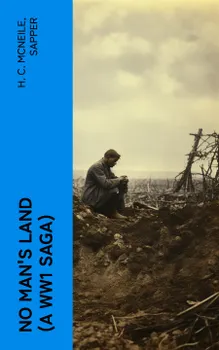
NO MAN'S LAND (A WW1 Saga) gathers H. C. McNeile's Sapper fiction into a concentrated vision of trench warfare, where danger, comradeship, endurance, and irony shape the soldier's daily world. Moving between action narrative, psychological vignette, patriotic romance, and grim battlefield realism, the collection situates its episodes within the literary aftermath of the Western Front, including memorable scenes of patrols, bombardment, and strained leave-taking. McNeile, a Royal Engineers officer who wrote as Sapper, brought firsthand military experience to popular wartime and postwar fiction. His work belongs to the transitional moment between Edwardian adventure and modern war writing, retaining the idioms of courage and duty while registering industrialized conflict's dislocations. Read collectively, these pieces illuminate how officerly perspective, imperial culture, and front-line observation shaped British memory of 1914–18. This volume is recommended to readers seeking both historical texture and literary variety in representations of the Great War. It offers a compact encounter with the moods, myths, and moral tensions of combat, inviting comparison across episodes and tones. For students and general readers alike, it fosters a revealing dialogue between entertainment, testimony, and cultural remembrance.
This enriched edition has been carefully crafted to add value to your reading experience.
- A succinct Introduction situates the work's timeless appeal and themes.
- The Synopsis outlines the central plot, highlighting key developments without spoiling critical twists.
- A detailed Historical Context immerses you in the era's events and influences that shaped the writing.
- A thorough Analysis dissects symbols, motifs, and character arcs to unearth underlying meanings.
- Reflection questions prompt you to engage personally with the work's messages, connecting them to modern life.
- Hand‐picked Memorable Quotes shine a spotlight on moments of literary brilliance.
- Interactive footnotes clarify unusual references, historical allusions, and archaic phrases for an effortless, more informed read.