À propos de ce livre

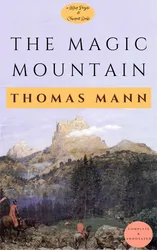
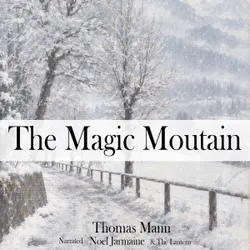
Thomas Mann's The Magic Mountain (1924) follows Hans Castorp, a young Hamburg engineer who visits his cousin at a Swiss sanatorium and gradually becomes absorbed into its diseased, intellectually charged society. What begins as a three-week stay expands into seven years, as tuberculosis, erotic fascination, and philosophical debate suspend ordinary time. Mann's expansive, ironic narrative combines psychological realism with allegory, essayistic digression, and a carefully controlled play between comedy and solemnity. The sanatorium becomes a symbolic Europe: insulated, decadent, and moving toward the catastrophe of the First World War. In dialogue with the nineteenth-century Bildungsroman and the modernist novel, the book examines education, mortality, technology, nationalism, and the seductive abstractions of ideological life. Mann (1875–1955), one of Germany's foremost twentieth-century writers, brought to the novel a cultivated awareness of European intellectual traditions and a profound anxiety about modern civilization. The work emerged from his own encounter with illness through his wife's treatment in a Swiss sanatorium, but it also transformed that personal experience into a far-reaching cultural diagnosis. Written before and completed after the First World War, it records Mann's evolving response to the political and spiritual tensions of his age. The Magic Mountain is especially rewarding for readers who value ambitious fiction that joins narrative pleasure to philosophical inquiry. Its deliberate pace invites sustained reflection, while its wit, richly drawn voices, and symbolic architecture repay close reading. It is an essential novel for understanding modern European literature and the intellectual atmosphere that preceded the twentieth century's great crises.

Commencez ce livre dès aujourd'hui pour 0 €

  • Accédez à tous les livres de l'app pendant la période d'essai
  • Sans engagement, annulez à tout moment
Essayer gratuitement
Plus de 52 000 personnes ont noté Nextory 5 étoiles sur l'App Store et Google Play.

Plus de Thomas Mann

  1. 1 mai

    Muerte en Venecia

    Thomas Mann

  2. 16 mars
    5.0

    The Magic Mountain

    Thomas Mann

  3. 12 nov.

    Mario and the Magician and Other Late Stories

    Thomas Mann

  4. Nouveau

    50 Masterpieces you have to read before you die vol: 2

    Joseph Sheridan Fanu, Madame de Fayette, Jerome K Jerome, James Joyce, Charles Kingsley, Rudyard Kipling, Pierre Choderlos Laclos, D. H. Lawrence, Matthew Gregory Lewis, Sinclair Lewis, Jack London, H.P. Lovecraft, Thomas Mann, W. Somerset Maugham, Guy De Maupassant, Herman Melville, Edgar Allan Poe, Marcel Proust, Ann Radcliffe, Samuel Richardson, George Sand, Walter Scott, Mary Shelley, Henryk Sienkiewicz, May Sinclair, Upton Sinclair, Stendhal, Laurence Sterne, Robert Louis Stevenson, Bram Stoker, Harriet Beecher Stowe, Jonathan Swift, Rabindranath Tagore, William Makepeace Thackeray, Leo Tolstoy, Anthony Troloppe, Ivan Turgenev, Mark Twain, Jules Verne, Lew Wallace, H.G. Wells, Rebecca West, Edith Wharton, Oscar Wilde, Cao Xueqin, Émile Zola

  5. Nouveau

    100 Eternal Masterpieces of Literature [volume 2]

    James Joyce, Rudyard Kipling, D. H. Lawrence, Thomas Mann, H.P. Lovecraft, Marcel Proust, Herman Melville, Edgar Allan Poe, Bram Stoker, Leo Tolstoy, Jules Verne, H.G. Wells, Oscar Wilde, Mark Twain, Stendhal, Rabindranath Tagore, Jack London, Mary Shelley, George Sand, William Somerset Maugham, Walter Scott, Upton Sinclair, Robert Louis Stevenson, Jonathan Swift, Rebecca West

  6. Nouveau

    50 Masterpieces you have to read before you die vol: 2

    Joseph Sheridan Fanu, Madame de Fayette, Jerome K Jerome, James Joyce, Charles Kingsley, Rudyard Kipling, Pierre Choderlos Laclos, D. H. Lawrence, Matthew Gregory Lewis, Sinclair Lewis, Jack London, H.P. Lovecraft, Thomas Mann, W. Somerset Maugham, Guy De Maupassant, Herman Melville, Edgar Allan Poe, Marcel Proust, Ann Radcliffe, Samuel Richardson, George Sand, Walter Scott, Mary Shelley, Henryk Sienkiewicz, May Sinclair, Upton Sinclair, Stendhal, Laurence Sterne, Robert Louis Stevenson, Bram Stoker, Harriet Beecher Stowe, Jonathan Swift, Rabindranath Tagore, William Makepeace Thackeray, Leo Tolstoy, Anthony Troloppe, Ivan Turgenev, Mark Twain, Jules Verne, Lew Wallace, H.G. Wells, Rebecca West, Edith Wharton, Oscar Wilde, Cao Xueqin, Émile Zola

  7. The Magic Moutain

    Thomas Mann

  8. 3.0

    50 Masterpieces you have to read before you die vol: 2

    Lewis Carroll, Mark Twain, Jules Verne, Oscar Wilde, Arthur Conan Doyle, Louisa May Alcott, Jane Austen, G.K. Chesterton, Wilkie Collins, Charles Dickens, Fyodor Dostoyevsky, Alexandre Dumas, F. Scott Fitzgerald, E. M. Forster, Thomas Hardy, Hermann Hesse, James Joyce, Jack London, H.P. Lovecraft, Lucy Maud Montgomery, Edgar Allan Poe, Marcel Proust, William Shakespeare, Robert Louis Stevenson, H.G. Wells, Virginia Woolf, Rudyard Kipling, D. H. Lawrence, Thomas Mann, William Somerset Maugham, Herman Melville, George Sand, Mary Shelley, Walter Scott, Leo Tolstoy, Bram Stoker

  9. 50 Masterpieces You Have to Read : Volume Two - A Second Library of World Literature

    Joseph Sheridan Fanu, Madame de Fayette, Jerome K Jerome, James Joyce, Charles Kingsley, Rudyard Kipling, Pierre Choderlos Laclos, D. H. Lawrence, Matthew Gregory Lewis, Sinclair Lewis, Jack London, H.P. Lovecraft, Thomas Mann, W. Somerset Maugham, Guy De Maupassant, Herman Melville, Edgar Allan Poe, Marcel Proust, Ann Radcliffe, Samuel Richardson, George Sand, Walter Scott, Mary Shelley, Henryk Sienkiewicz, May Sinclair, Upton Sinclair, Stendhal, Laurence Sterne, Robert Louis Stevenson, Bram Stoker, Harriet Beecher Stowe, Jonathan Swift, Rabindranath Tagore, William Makepeace Thackeray, Leo Tolstoy, Anthony Trollope, Ivan Turgenev, Mark Twain, Jules Verne, Lew Wallace, H.G. Wells, Rebecca West, Edith Wharton, Oscar Wilde, Cao Xueqin, Émile Zola

  10. Les Buddenbrook : Classbilingue n° 45

    Thomas Mann

  11. Royal Highness

    Thomas Mann

  12. La Mort à Venise : Un grand roman psychologique entre désir interdit, beauté et fatalité

    Thomas Mann