4.0(1)

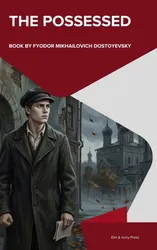
Demons - The Possessed

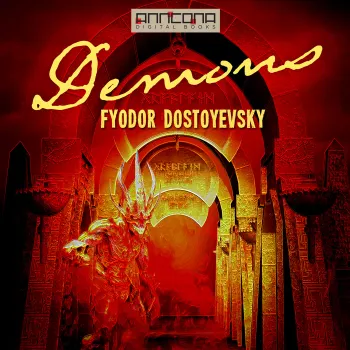
Demons is a novel by the Russian author Fyodor Dostoyevsky. It was first published in 1872. This English translation was published in 1916.

Although titled The Possessed in the initial English translation, Dostoyevsky scholars and later translations favour the titles The Devils or Demons.

An extremely political book, Demons is a testimonial of life in Imperial Russia in the late 19th century. As the revolutionary democrats begin to rise in Russia, different ideologies begin to collide. Dostoyevsky casts a critical eye on both the radical idealists, portraying their ideas and ideological foundation as demonic, and the conservative establishment's ineptitude in dealing with those ideas and their social consequences. This form of intellectual conservativism tied to the Slavophile movement of Dostoyevsky's day, called Pochvennichestvo, is seen to have continued on into its modern manifestation in individuals like Aleksandr Solzhenitsyn.

Dostoyevsky's novels focus on the idea that utopias and positivist ideas, in being utilitarian, were unrealistic and unobtainable. The book has five primary characters representing different ideologies. By exploring their differing philosophies, Dostoyevsky describes the political chaos seen in 19th century Russia.

Fyodor Mikhailovich Dostoyevsky was a Russian novelist, short story writer and essayist. Dostoyevsky's literary works explore human psychology in the context of the troubled political, social and spiritual atmosphere of 19th-century Russia.

Although he began writing in the mid-1840s, his most memorable works—including Crime and Punishment, The Idiot and The Brothers Karamazov—are from his later years. His output consists of eleven novels, three novellas, seventeen short novels and three essays. Many literary critics rate him as one of the greatest and most prominent psychologists in world literature.
Über dieses Buch

Demons is a novel by the Russian author Fyodor Dostoyevsky. It was first published in 1872. This English translation was published in 1916.

Although titled The Possessed in the initial English translation, Dostoyevsky scholars and later translations favour the titles The Devils or Demons.

An extremely political book, Demons is a testimonial of life in Imperial Russia in the late 19th century. As the revolutionary democrats begin to rise in Russia, different ideologies begin to collide. Dostoyevsky casts a critical eye on both the radical idealists, portraying their ideas and ideological foundation as demonic, and the conservative establishment's ineptitude in dealing with those ideas and their social consequences. This form of intellectual conservativism tied to the Slavophile movement of Dostoyevsky's day, called Pochvennichestvo, is seen to have continued on into its modern manifestation in individuals like Aleksandr Solzhenitsyn.

Dostoyevsky's novels focus on the idea that utopias and positivist ideas, in being utilitarian, were unrealistic and unobtainable. The book has five primary characters representing different ideologies. By exploring their differing philosophies, Dostoyevsky describes the political chaos seen in 19th century Russia.

Fyodor Mikhailovich Dostoyevsky was a Russian novelist, short story writer and essayist. Dostoyevsky's literary works explore human psychology in the context of the troubled political, social and spiritual atmosphere of 19th-century Russia.

Although he began writing in the mid-1840s, his most memorable works—including Crime and Punishment, The Idiot and The Brothers Karamazov—are from his later years. His output consists of eleven novels, three novellas, seventeen short novels and three essays. Many literary critics rate him as one of the greatest and most prominent psychologists in world literature.

Starte noch heute mit diesem Buch für CHF 0

  • Hole dir während der Testphase vollen Zugriff auf alle Bücher in der App
  • Keine Verpflichtungen, jederzeit kündbar
Jetzt kostenlos testen
Mehr als 52 000 Menschen haben Nextory im App Store und auf Google Play 5 Sterne gegeben.

  1. 4.0

    Crime and Punishment

    Fyodor Dostoyevsky

  2. 50 Masterpieces you have to read before you die vol: 2

    Louisa May Alcott, Jane Austen, Joseph Conrad, D. H. Lawrence, George Eliot, Leo Tolstoy, James Joyce, Charles Dickens, Bram Stoker, Oscar Wilde, Honoré de Balzac, Edgar Rice Burroughs, Anne Brontë, Charlotte Brontë, Emily Brontë, Lewis Carroll, Willa Cather, Miguel de Cervantes, E. Cummings, Fyodor Dostoyevsky, Daniel Defoe, Arthur Conan Doyle, Alexandre Dumas, Gustave Flaubert, Henry James, Victor Hugo

  3. 50 Masterpieces you have to read before you die vol 1

    Louisa May Alcott, Jane Austen, Joseph Conrad, Edwin Abbott, George Eliot, Leo Tolstoy, James Joyce, Charles Dickens, Bram Stoker, Oscar Wilde, Honoré de Balzac, Edgar Rice Burroughs, Anne Brontë, Charlotte Brontë, Emily Brontë, Lewis Carroll, Willa Cather, Miguel de Cervantes, E. Cummings, Fyodor Dostoyevsky, Daniel Defoe, Arthur Conan Doyle, Alexandre Dumas, Gustave Flaubert, Henry James, Victor Hugo

  4. The Friend of the Family : or, The Village of Stepanchikovo and Its Inhabitants

    Fyodor Dostoyevsky

  5. 3.6

    The Brothers Karamazov

    Fyodor Dostoyevsky

  6. Short Stories

    Fyodor Dostoyevsky, Constance Garnett

  7. El crimen y el castigo

    Fyodor Dostoyevsky

  8. The Complete Novels of Fyodor Dostoyevsky : The Masterworks of Russian Literature

    Fyodor Dostoyevsky

  9. The Dream of a Ridiculous Man : A Visionary Tale of Redemption and Truth by Fyodor Dostoevsky

    Fyodor Dostoyevsky

  10. The Complete Works of Fyodor Dostoyevsky  : Crime and Punishment, The Brothers Karamazov, The Idiot, Demons, Notes from Underground & More

    Fyodor Dostoyevsky

  11. 50 Masterpieces you have to read before you die vol : A Monumental Collection of Fiction That Continues the Legacy of World Literature's Greatest Voices

    Lewis Carroll, Mark Twain, Jules Verne, Arthur Conan Doyle, Louisa May Alcott, Jane Austen, G.K. Chesterton, Wilkie Collins, Charles Dickens, Fyodor Dostoyevsky, Alexandre Dumas, F. Scott Fitzgerald, E. M. Forster, Thomas Hardy, Hermann Hesse

  12. The Grand Inquisitor :

    Fyodor Dostoyevsky