The Protestant Reformation is often associated most closely with Martin Luther, and it’s often considered to have started when Luther nailed his 95 Theses to the door of the Castle Church in Wittenberg on October 31, 1517. However, the Reformation cannot be reduced to a single, abrupt, and exceptional event, but must be traced to a much longer process of spiritual, social, and intellectual transformation that unfolded over the late medieval period. This historiographical perspective acknowledges the deep-rooted need for a Reformation, transforming the period between the 14th and 16th centuries into a genuine “Age of Reformation.” Authors such as Eric Leland Saak emphasize that criticisms of ecclesiastical authority and calls for reform (sola scriptura) were already evident in the preceding centuries. In fact, reformers John Wycliffe and Jan Hus, who lived several decades before Luther, anticipated central themes of the Reformation, laying the foundations for a critique, making Luther’s actions not the beginning of a secular movement but the culmination of it.
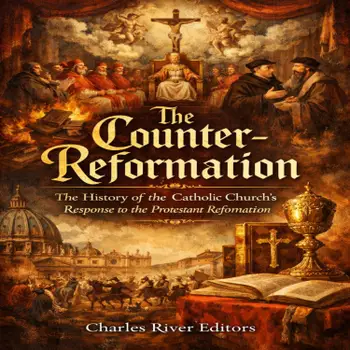
The Counter-Reformation was the Catholic Church's specific reaction to the Protestant Reformation, and it is often characterised as the acceptance of certain demands for ecclesiastical renewal, which Luther, Calvin, and other reformers had also emphasized. The Catholic Church began to change various aspects such as the training of priests, residence requirements for bishops, and combating immorality among the clergy, but the Counter-Reformation was also quite polemical and defensive to prevent other Catholics from converting to the Evangelical Churches. Some forms of these defensive measures consisted of catechisms, sacred art, and popular devotion, but the Church also resorted to violent repression of Evangelical Christianity, with the Vatican often collaborating with Catholic countries on the continent.