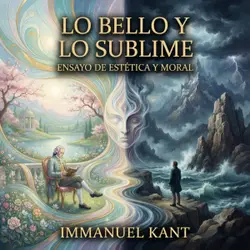
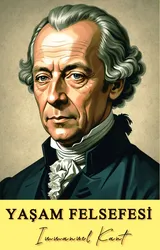
In "The Critique of Pure Reason: Base Plan for Transcendental Philosophy," Immanuel Kant embarks on a monumental quest to explore the foundations of human knowledge and its limitations. This seminal work is characterized by Kant's meticulous analytical style, employing a systematic approach to dissect metaphysics and epistemology. The book reflects the Enlightenment's intellectual climate, as Kant seeks to reconcile rationalism and empiricism, positing his famous distinction between 'a priori' and 'a posteriori' knowledge while introducing the revolutionary concept of transcendental idealism. It challenges readers to consider not merely what we know, but how we come to know it, situating human cognition at the heart of philosophical inquiry. Immanuel Kant, a pivotal figure in Western philosophy, emerged from a modest background in Königsberg, where he developed his ideas in response to the prevailing philosophical currents of his time. His lifelong engagement with metaphysics and ethics culminated in the formulation of transcendental philosophy, which sought to establish a robust framework for understanding the interplay between experience and understanding. Kant's profound reflections on reason arguably stemmed from his desire to address the epistemic crises he perceived in contemporary metaphysical traditions. This book is essential reading for anyone interested in the foundations of modern philosophy or the history of ideas. Kant's rigorous examination of reason remains relevant today, inviting a deeper understanding of the limits and possibilities of human cognition. "The Critique of Pure Reason" is not merely an academic treatise; it is a transformative work that compels readers to confront the very nature of knowledge itself.
In this enriched edition, we have carefully created added value for your reading experience:
- A succinct Introduction situates the work's timeless appeal and themes.
- The Synopsis outlines the central plot, highlighting key developments without spoiling critical twists.
- A detailed Historical Context immerses you in the era's events and influences that shaped the writing.
- An Author Biography reveals milestones in the author's life, illuminating the personal insights behind the text.
- A thorough Analysis dissects symbols, motifs, and character arcs to unearth underlying meanings.
- Reflection questions prompt you to engage personally with the work's messages, connecting them to modern life.
- Hand‐picked Memorable Quotes shine a spotlight on moments of literary brilliance.
- Interactive footnotes clarify unusual references, historical allusions, and archaic phrases for an effortless, more informed read.