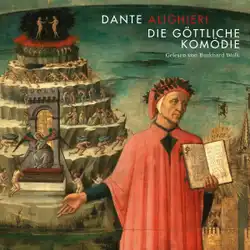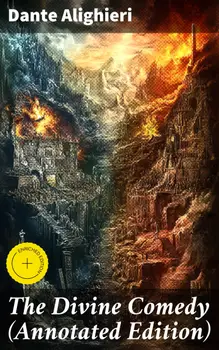
Dante Alighieri's "The Divine Comedy (Annotated Edition)" is a monumental epic poem that intricately weaves the allegorical journey of the protagonist through the realms of Hell, Purgatory, and Paradise. With a distinctive terza rima structure, this work blends narrative, philosophy, and theology, reflecting the political and spiritual ethos of 14th-century Italy. The annotations enrich the text, providing historical context and illuminating Dante's profound engagement with classical and contemporary authors, thus situating his masterpiece in a broader literary tradition that resonates to this day. Dante, a seminal figure of the Italian Renaissance, drew upon his personal experiences, including his exile from Florence, to infuse his poetry with a charged emotional landscape. His deep-seated qualifications as a poet, politician, and thinker, coupled with a rich theological framework, gave rise to the vivid imagery and complex symbolism that characterize "The Divine Comedy." This annotated edition highlights these layers, making it an essential resource for understanding Dante's intent and artistry within a socio-historical context. For readers seeking a transformative literary experience, this annotated edition of "The Divine Comedy" offers not only the chance to traverse Dante's ethereal realms but also an opportunity to engage with the rich tapestry of thought that underlies his journey. Whether one is a seasoned scholar or a curious newcomer, this work invites and challenges all to reflect on the nature of sin, redemption, and divine love.
In this enriched edition, we have carefully created added value for your reading experience:
- A succinct Introduction situates the work's timeless appeal and themes.
- The Synopsis outlines the central plot, highlighting key developments without spoiling critical twists.
- A detailed Historical Context immerses you in the era's events and influences that shaped the writing.
- An Author Biography reveals milestones in the author's life, illuminating the personal insights behind the text.
- A thorough Analysis dissects symbols, motifs, and character arcs to unearth underlying meanings.
- Reflection questions prompt you to engage personally with the work's messages, connecting them to modern life.
- Hand‐picked Memorable Quotes shine a spotlight on moments of literary brilliance.
- Interactive footnotes clarify unusual references, historical allusions, and archaic phrases for an effortless, more informed read.