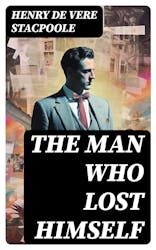
The Man Who Lost Himself is a deft comic romance of mistaken identity, social masquerade, and Edwardian-into-modern manners. Its plot turns on Victor Jones, an American whose uncanny resemblance to an English aristocrat draws him into another man's life, title, obligations, and dangers. Stacpoole writes with brisk narrative economy, theatrical timing, and a satiric eye for class ritual, placing the novel within the tradition of doubles and imposture while making it distinctly light, urbane, and popular. Henry De Vere Stacpoole, the Irish-born physician and prolific novelist best remembered for The Blue Lagoon, brought to fiction both professional observation and a cosmopolitan imagination. His medical training sharpened his interest in personality, perception, and bodily likeness, while his career in popular letters encouraged plots of momentum, romance, and moral testing. In this book, those gifts converge in a playful inquiry into whether identity is inward essence or social performance. Readers who enjoy elegant adventure, social satire, and identity puzzles will find The Man Who Lost Himself especially rewarding. It offers the pleasures of farce without surrendering intelligence, and beneath its entertaining improbabilities lies a shrewd meditation on privilege, self-invention, and the roles society asks people to inhabit.
This enriched edition has been carefully crafted to add value to your reading experience.
- A succinct Introduction situates the work's timeless appeal and themes.
- The Synopsis outlines the central plot, highlighting key developments without spoiling critical twists.
- A detailed Historical Context immerses you in the era's events and influences that shaped the writing.
- A thorough Analysis dissects symbols, motifs, and character arcs to unearth underlying meanings.
- Reflection questions prompt you to engage personally with the work's messages, connecting them to modern life.
- Hand‐picked Memorable Quotes shine a spotlight on moments of literary brilliance.
- Interactive footnotes clarify unusual references, historical allusions, and archaic phrases for an effortless, more informed read.