The Hour Will Come: A Tale of an Alpine Cloister. Volumes I and II

In "The Hour Will Come: A Tale of an Alpine Cloister," Wilhelmine von Hillern offers a profound exploration of spiritual awakening set against the serene yet isolating backdrop of an alpine monastery. The narrative intertwines rich, lyrical prose with philosophical musings, delving into themes of faith, the quest for meaning, and the juxtaposition of solitude and community. Hillern's narrative style is heavily influenced by German Romanticism, embedding layers of emotional complexity and deep introspection within her characters, inviting readers to engage with their spiritual dilemmas. Wilhelmine von Hillern, a pivotal figure in 19th-century German literature and a well-regarded feminist thinker, draws from her own experiences of isolation and societal constraints as a woman in a male-dominated literary sphere. Her deep understanding of religious themes and existential questioning is rooted in her upbringing, making the alpine cloister not merely a setting but a character in its own right, where the internal conflicts of the protagonist reflect her own struggles for autonomy and purpose. This literary work, with its profound exploration of the human condition, is not only significant for its historical context but also resonates with contemporary readers seeking to understand their spiritual paths. "The Hour Will Come" is recommended for anyone interested in the intersections of faith, identity, and the quest for meaning in an often tumultuous world.

Über dieses Buch

In "The Hour Will Come: A Tale of an Alpine Cloister," Wilhelmine von Hillern offers a profound exploration of spiritual awakening set against the serene yet isolating backdrop of an alpine monastery. The narrative intertwines rich, lyrical prose with philosophical musings, delving into themes of faith, the quest for meaning, and the juxtaposition of solitude and community. Hillern's narrative style is heavily influenced by German Romanticism, embedding layers of emotional complexity and deep introspection within her characters, inviting readers to engage with their spiritual dilemmas. Wilhelmine von Hillern, a pivotal figure in 19th-century German literature and a well-regarded feminist thinker, draws from her own experiences of isolation and societal constraints as a woman in a male-dominated literary sphere. Her deep understanding of religious themes and existential questioning is rooted in her upbringing, making the alpine cloister not merely a setting but a character in its own right, where the internal conflicts of the protagonist reflect her own struggles for autonomy and purpose. This literary work, with its profound exploration of the human condition, is not only significant for its historical context but also resonates with contemporary readers seeking to understand their spiritual paths. "The Hour Will Come" is recommended for anyone interested in the intersections of faith, identity, and the quest for meaning in an often tumultuous world.

Starte noch heute mit diesem Buch für 0 €

  • Hole dir während der Testphase vollen Zugriff auf alle Bücher in der App
  • Keine Verpflichtungen, jederzeit kündbar
Jetzt kostenlos testen
Mehr als 52 000 Menschen haben Nextory im App Store und auf Google Play 5 Sterne gegeben.

  1. Die größten Heldinnen der Literatur (50 Romane in einem Band)

    Charlotte Brontë, Jane Austen, Louisa May Alcott, Leo Tolstoi, Virginia Woolf, Thomas Hardy, Sinclair Lewis, Hedwig Dohm, Charlotte Perkins Gilman, Elizabeth Burgoyne Corbett, Daniel Defoe, Anne Brontë, L.M. Montgomery, Victor Hugo, Wilhelmine von Hillern, Adalbert Stifter, Luise Ahlborn, George Eliot, Lou Andreas-Salomé, Stefan Zweig, D. H. Lawrence, Henry James, Margaret Mitchell, Edith Wharton, Miles Franklin, Willa Cather, Elizabeth Gaskell, Nikolai Semjonowitsch Leskow, Theodore Dreiser, Elizabeth von Arnim, Colette, Honoré de Balzac, William Makepeace Thackeray, Gustave Flaubert, Emile Zola, Theodor Fontane, Ada Langworthy Collier, Joseph Sheridan Le Fanu, Johanna Schopenhauer, Nathaniel Hawthorne, Charles Dickens

  2. 5.0

    Die Geierwally : Ein Roman von Wilhelmine von Hillern
    Wilhelmine von Hillern

  3. 100 Weibliche Meisterwerke - Klassiker, die man kennen muss : Jane Eyre, Die Vagabundin, Frankenstein, Indiana, Kleine Frauen, Stolz und Vorurteil, Middlemarch, Mrs Dalloway, Das innere Schloss

    Virginia Woolf, Jane Austen, Louisa May Alcott, George Sand, Mary Shelley, Colette, Charlotte Brontë, Emily Brontë, Anne Brontë, Sophie von La Roche, Mary Wollstonecraft, Hedwig Dohm, Elizabeth Burgoyne Corbett, Ann Radcliffe, Charlotte Perkins Gilman, L.M. Montgomery, Frances Burney, Johanna Schopenhauer, George Eliot, Hedwig Courths-Mahler, Gabriele Reuter, Wilhelmine von Hillern, Luise Ahlborn, Lou Andreas-Salomé, Margaret Mitchell, Edith Wharton, Miles Franklin, Willa Cather, Elizabeth Gaskell, Elizabeth von Arnim, Alice Berend, Franziska Gräfin zu Reventlow, Germaine de Staël, Dorothea Schlegel, Emmuska Orczy, Eugenie Marlitt, Wilhelmine Heimburg, Lena Christ, Ida Boy-Ed, Nataly von Eschstruth, Marianne Ehrmann, Caroline von Wolzogen, Benedikte Naubert, Karoline von Günderrode, Annette von Droste-Hülshoff, Else Lasker-Schüler, Johanna Spyri, Elisabeth Langgässer, Marie-Madeleine La Fayette, Frances Hodgson Burnett, Harriet Beecher Stowe, Else Ury, Emmy von Rhoden, Beatrix Potter, Selma Lagerlöf, Anna Sewell, Ada Langworthy Collier, PrinzessinDer Ling, Margaret Oliphant, Katharina die Grosse, Malwida von Meysenbug, Louise Aston, Louise Otto, Rosa Luxemburg, Clara Zetkin, Ricarda Huch, Bertha von Suttner, Sappho -, Elizabeth Barrett Browning, Teresa von Ávila, Florence Scovel Shinn, Elizabeth Cady Stanton, Hildegard von Bingen, Edith Stein

  4. 50 Klassiker des Feminismus - Bücher, die man kennen muss

    Kate Chopin, Charlotte Perkins Gilman, Virginia Woolf, Charlotte Brontë, George Sand, Louisa May Alcott, Jane Austen, L.M. Montgomery, Victor Hugo, Daniel Defoe, Nathaniel Hawthorne, Wilhelmine von Hillern, Adalbert Stifter, Luise Ahlborn, George Eliot, Lou Andreas-Salomé, D. H. Lawrence, Henry James, Margaret Mitchell, Edith Wharton, Miles Franklin, Willa Cather, Leo Tolstoi, Henrik Ibsen, Elizabeth Gaskell, Nikolai Semjonowitsch Leskow, Theodore Dreiser, Elizabeth von Arnim, Colette, Emmeline Pankhurst, Louise Aston, Bertha von Suttner, Hedwig Dohm, Mary Wollstonecraft, Elizabeth Cady Stanton, Matilda Joslyn Gage, John Stuart Mill, Thomas Hardy, Sinclair Lewis, Elizabeth Burgoyne Corbett, Anne Brontë

  5. Grundlegende Werke des Feminismus : Frauenbewegung in Deutschland, Lelia, Die sexuelle Krise, Zur Kritik der Weiblichkeit, Aus dem Leben einer Frau

    Virginia Woolf, George Sand, Louise Otto, Clara Zetkin, Rosa Luxemburg, Rosa Mayreder, Bertha Pappenheim, Grete Meisel-Heß, George Eliot, Luise Ahlborn, Adalbert Stifter, Jane Austen, Wilhelmine von Hillern, Charlotte Brontë, Nathaniel Hawthorne, Daniel Defoe, Victor Hugo, Anne Brontë, Henrik Ibsen, Hedwig Dohm, Sinclair Lewis

  6. Geschichte der Frauenbewegung: Wichtigste Werke : Frauenbewegung in Deutschland, Lelia, Die sexuelle Krise, Gegen den Mädchenhandel, Memoiren der Friedensaktivistin, Jane Eyre

    Louise Otto, Clara Zetkin, Rosa Luxemburg, Rosa Mayreder, Bertha Pappenheim, Grete Meisel-Heß, George Eliot, Luise Ahlborn, Adalbert Stifter, Jane Austen, Wilhelmine von Hillern, Charlotte Brontë, Nathaniel Hawthorne, Daniel Defoe, Victor Hugo, Anne Brontë, Henrik Ibsen, Hedwig Dohm, Sinclair Lewis, Virginia Woolf, George Sand

  7. Christliches in der Literatur: Die größten Klassiker der Weltgeschichte : Auferstehung, Der Großinquisitor, Ben Hur, Quo Vadis, Die Bekenntnisse, Die Geistlichen Übungen, Die göttliche Komödie

    Fjodor M Dostojewski, Ignatius von Loyola, Dante Alighieri, Lew Tolstoi, Thomas von Kempen, Hildegard von Bingen, Thomas von Aquin, Henryk Sienkiewicz, Lew Wallace, Wilhelmine von Hillern, Aurelius Augustinus

  8. Meisterwerke der christlichen Literatur : Die Bekenntnisse, Die Geistlichen Übungen, Die göttliche Komödie, Die Nachfolge Christi, Ben Hur, Quo Vadis?

    Dante Alighieri, Lew Tolstoi, Aurelius Augustinus, Ignatius von Loyola, Thomas von Kempen, Hildegard von Bingen, Thomas von Aquin, Henryk Sienkiewicz, Lew Wallace, Wilhelmine von Hillern, Fjodor M Dostojewski

  9. Die starke Frauenseelen der Weltliteratur (26 Romane in einem Band) : Weibliche Stärke und Komplexität in zeitlosen Meisterwerken

    Gustave Flaubert, Charles Dickens, Stefan Zweig, Theodor Fontane, Adalbert Stifter, Charlotte Brontë, Emily Brontë, Victor Hugo, Jane Austen, Guy De Maupassant, Jean-Jacques Rousseau, Alexandre Dumas, George Sand, Nathaniel Hawthorne, William Makepeace Thackeray, Wilhelmine von Hillern, Eugenie Marlitt, Fjodor Michailowitsch Dostojewski, Leo Tolstoi, Elisabeth Bürstenbinder, Alfred Schirokauer, Friedrich Schlegel

  10. Die starken Frauenseelen der Weltliteratur (26 Romane in einem Sammelband) : Eine literarische Reise durch die Stärke und Autonomie weiblicher Figuren

    Gustave Flaubert, Charles Dickens, Stefan Zweig, Theodor Fontane, Adalbert Stifter, Charlotte Brontë, Emily Brontë, Victor Hugo, Jane Austen, Guy De Maupassant, Jean-Jacques Rousseau, Alexandre Dumas, George Sand, Nathaniel Hawthorne, William Makepeace Thackeray, Wilhelmine von Hillern, Eugenie Marlitt, Fjodor Michailowitsch Dostojewski, Leo Tolstoi, Elisabeth Bürstenbinder, Alfred Schirokauer, Friedrich Schlegel

  11. Die starken Frauen der Weltliteratur - 26 Romane in einem Band : Jane Eyre; Madame Bovary; Anna Karenina; Stolz und Vorurteil; Sturmhöhe; Die Kameliendame…

    Gustave Flaubert, Charles Dickens, Stefan Zweig, Theodor Fontane, Adalbert Stifter, Charlotte Brontë, Emily Brontë, Victor Hugo, Jane Austen, Guy De Maupassant, Jean-Jacques Rousseau, Alexandre Dumas, George Sand, Nathaniel Hawthorne, William Makepeace Thackeray, Wilhelmine von Hillern, Eugenie Marlitt, Fjodor Michailowitsch Dostojewski, Leo Tolstoi, Elisabeth Bürstenbinder, Alfred Schirokauer, Friedrich Schlegel

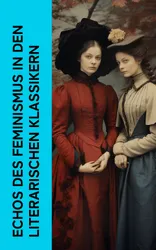
  12. Echos des Feminismus in den literarischen Klassikern : Ein Puppenheim, Orlando, Jane Eyre, Christa Ruland, Die Geierwally, Brigitta, Middlemarch

    George Sand, George Eliot, Virginia Woolf, Sinclair Lewis, Hedwig Dohm, Henrik Ibsen, Anne Brontë, Victor Hugo, Daniel Defoe, Nathaniel Hawthorne, Charlotte Brontë, Wilhelmine von Hillern, Jane Austen, Adalbert Stifter, Lou Andreas-Salomé