The transition from antiquity to the Middle Ages is still an enigmatic period in history. Too few documents from the time have survived. It was during this period, however, that the foundations were laid for the cultural and political entity we now call Europe. The transmitters of cultural values during those centuries accomplished a double feat: they saved the heritage of Greco-Roman antiquity from its final disappearance and, along with the new elements of the Judeo-Christian religion, passed it on to the fragmented and ?barbaric= peoples of the Celts and Germanic tribes. This cultural transfer was possible because the heritage of antiquity had survived on the extreme edge of Europe, of all places, in a region that had never been occupied by the Romans: in Ireland. As a result of the Christianization of Ireland in the fourth century, Greco-Roman culture also made its way from the Mediterranean via Gaul to the ?Emerald Isle= and took root there in the monasteries, before the Roman Empire collapsed into chaos. From the end of the sixth century, Irish monks, later followed by Anglo-Saxon ones, also migrated to the continent and spread the Christian faith and ancient learning among the newly gathering tribes of Gaul and Germania. Something unique and novel emerged out of the ruins of the age of migration: Europe. One of the men who stood out from the darkness of these centuries was Willibrord, who later became known as the ?Apostle of the Netherlands=. Only a few contemporary documents about his life and work have survived, and it is scarcely possible to obtain a well-rounded picture of his biography. However, a few highlights can provide glimpses into the enigmatic period in which the last of the Germanic tribes converted to Christianity, the advance of Islam ended and important foundations for Europe were laid. On the basis of detailed source research, Rainer Neu traces the life of Willibrord and his significance for the development of the Christian West.
Willibrord und die Christianisierung Europas im Frühmittelalter
Starten Sie noch heute mit diesem Buch für 0 €
- Hole dir während der Testphase vollen Zugriff auf alle Bücher in der App
- Keine Verpflichtungen, jederzeit kündbar
Autor*in:
Sprache:
Deutsch
Format:

Absolut analog : Fotografieren wieder entdecken: in Kleinbild-, Mittel- und Großformat
Monika Andrae, Chris Marquardt
Found Foto-Film : Aneignungen analoger Fotografie im zeitgenössischen Essay- und Dokumentarfilm
Charlotte Praetorius
Das wahre Leben beginnt erst nach dem Tod : Einführung in das Thema »Leben nach dem Tod«
Josef F. Justen
Griff nach den Sternen : Die Geschichte der Europäischen Union
Christoph Driessen
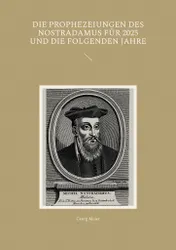
Die Prophezeiungen des Nostradamus für 2025 und die folgenden Jahre
Georg Meier

Dreißigjähriger Krieg - Geschichte für Einsteiger : Umstände, Verlauf und Auswirkungen des Dreißigjährigen Krieges und der lange Weg zum Frieden
Markus Neustedt

Welches Leben nach dem Tod? : Reinkarnation und christlicher Glaube
Gabriel Looser
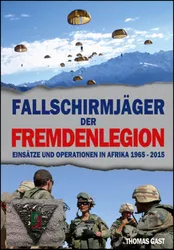
Die Fallschirmjäger der Fremdenlegion : Einsätze und Operationen in Afrika von 1965 bis 2015
Thomas Gast
Der Tod - Irrtum der Menschheit : PSI-Phänomene, Nah-Tod-Erfahrungen, UFOs und das Leben nach dem Leben: Hängt alles mit allem zusammen?
Lars A. Fischinger
Phänomen Nahtod : Faszinierende Entdeckungen eines Psychiaters
Walter Meili
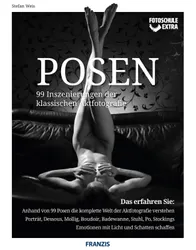
Fotoschule Extra Posen : 99 Inszenierungen der klassischen Aktfotografie
Stefan Weis
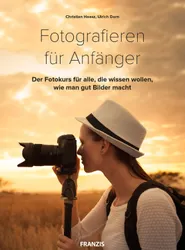
Fotografieren für Anfänger : Der Fotokurs für alle, die wissen wollen, wie man gut Bilder macht
Christian Haasz, Ulrich Dorn