Über dieses Buch

In "An Enquiry Concerning Human Understanding," David Hume presents a rigorous philosophical investigation into the nature and limits of human knowledge. Employing a clear and accessible prose style, Hume navigates the complexities of empiricism, skepticism, and the role of experience in shaping our understanding of the world. The work critiques metaphysical speculation and emphasizes the importance of empirical evidence, leading to Hume's famous assertions regarding causation and induction. This influential text serves as a foundational piece in modern philosophy, engaging with contemporary and historical thoughts, ultimately challenging readers to reconsider the nature of belief and knowledge. David Hume, a central figure of the Scottish Enlightenment, was profoundly influenced by the scientific advances of his time and the empirical traditions laid by earlier philosophers. His keen insights into human psychology, combined with his background in history, economics, and ethics, informed his exploration of how rationality and emotion intersect in forming human beliefs. Hume's own life experiences and intellectual environment shaped his skeptical approach, prompting him to interrogate deeply held assumptions about human understanding and the foundations of knowledge. This book is an essential read for anyone interested in the philosophical underpinnings of epistemology and metaphysics. Hume's clear arguments and thought-provoking inquiries challenge readers to engage with timeless questions about knowledge and belief. Whether you are a student of philosophy or a curious reader, this examination of human understanding invites deep reflection and potentially transformative insights.

In this enriched edition, we have carefully created added value for your reading experience:

- A succinct Introduction situates the work's timeless appeal and themes.

- The Synopsis outlines the central plot, highlighting key developments without spoiling critical twists.

- A detailed Historical Context immerses you in the era's events and influences that shaped the writing.

- An Author Biography reveals milestones in the author's life, illuminating the personal insights behind the text.

- A thorough Analysis dissects symbols, motifs, and character arcs to unearth underlying meanings.

- Reflection questions prompt you to engage personally with the work's messages, connecting them to modern life.

- Hand‐picked Memorable Quotes shine a spotlight on moments of literary brilliance.

- Interactive footnotes clarify unusual references, historical allusions, and archaic phrases for an effortless, more informed read.


Starte noch heute mit diesem Buch für 0 €

  • Hole dir während der Testphase vollen Zugriff auf alle Bücher in der App
  • Keine Verpflichtungen, jederzeit kündbar
Jetzt kostenlos testen
Mehr als 52 000 Menschen haben Nextory im App Store und auf Google Play 5 Sterne gegeben.

  1. 50 Meisterwerke der Philosophie : Metaphysik, Das Gastmahl, Bhagavadgita, Tractatus logico-philosophicus, Kritik der reinen Vernunft, Also sprach Zarathustra, Selbstbetrachtungen von Marcus Aurelius

    Ludwig Wittgenstein, Edmund Husserl, Karl Marx, Søren Kierkegaard, Friedrich Nietzsche, Ralph Waldo Emerson, John Stuart Mill, Georg Wilhelm Hegel, Friedrich Schelling, Johann Gottlieb Fichte, Immanuel Kant, John Locke, Montesquieu, Jean-Jacques Rousseau, David Hume, Gottfried Wilhelm Leibniz, Baruch Spinoza, - Konfuzius, Lao Tse, Platon, Xenophon, - Aristoteles, Marcus Tullius Cicero, Seneca, Epiktet, Marc Aurel, Plotin, Thomas von Aquin, Nicolaus von Cues, - Erasmus von Rotterdam, Niccolò Machiavelli, Tommaso Campanella, Martin Luther, Giordano Bruno, Samuel von Pufendorf, Abbé Castel Saint-Pierre, Michel de Montaigne, René Descartes, Francis Bacon, Blaise Pascal

  2. Die größten Klassiker der Philosophie (Kommentiert) : Erweiterte Ausgabe. Also sprach Zarathustra, Utopia, Phänomenologie des Geistes, Neues Organon, Selbstbetrachtungen, Das Gastmahl, Nikomachische Ethik

    Immanuel Kant, Søren Kierkegaard, Edmund Husserl, Ludwig Wittgenstein, Friedrich Nietzsche, - Konfuzius, Platon, Xenophon, - Aristoteles, Lao Tse, Marcus Tullius Cicero, Marcus Aurelius, Plotin, Thomas von Aquin, Niccolò Machiavelli, Thomas Morus, Giordano Bruno, Michel de Montaigne, René Descartes, Francis Bacon, Blaise Pascal, Baruch Spinoza, Gottfried Wilhelm Leibniz, David Hume, Jean-Jacques Rousseau, Friedrich Schelling, John Locke, Georg Wilhelm Hegel, John Stuart Mill, Karl Marx

  3. Meisterwerke der Weltphilosophie (Kommentiert) : Erweiterte Ausgabe. Das Gastmahl, Nikomachische Ethik, Also sprach Zarathustra, Utopia, Phänomenologie des Geistes, Neues Organon, Selbstbetrachtungen

    Immanuel Kant, Søren Kierkegaard, Edmund Husserl, Ludwig Wittgenstein, Friedrich Nietzsche, - Konfuzius, Platon, Xenophon, - Aristoteles, Lao Tse, Marcus Tullius Cicero, Marcus Aurelius, Plotin, Thomas von Aquin, Niccolò Machiavelli, Thomas Morus, Giordano Bruno, Michel de Montaigne, René Descartes, Francis Bacon, Blaise Pascal, Baruch Spinoza, Gottfried Wilhelm Leibniz, David Hume, Jean-Jacques Rousseau, Friedrich Schelling, John Locke, Georg Wilhelm Hegel, John Stuart Mill, Karl Marx

  4. Neu

    The Dark Ages Collection

    J. B. Bury, Edward Creasy, Henry Bradley, Edward Gibbon, David Hume

  5. The Dark Ages Collection

    J. B. Bury, Edward Creasy, Henry Bradley, Edward Gibbon, David Hume, Charles Oman

  6. The Dark Ages Collection

    J. B. Bury, Edward Creasy, Henry Bradley, Edward Gibbon, David Hume, Charles Oman

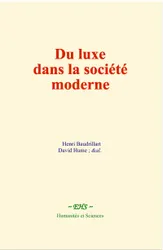
  7. Du luxe dans la société moderne

    Henri Baudrillart, David Hume, E. de Laveleye

  8. Ensayos morales [Selección]

    David Hume

  9. 4.0

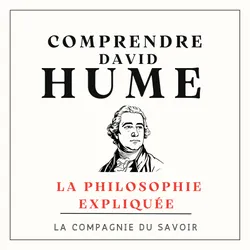
    Comprendre David Hume

    David Hume

  10. 4.0

    50 citations de David Hume

    David Hume

  11. 250 citations de philosophes anglais

    David Hume, John Locke, Francis Bacon, Thomas Hobbes, Thomas More

  12. 1800 Citations de philosophes

    Aristote, Épicure, Platon, Thalès de Milet, – Socrate, Protagoras, Anaximandre, Épictète, Héraclite, Marc Aurèle, René Descartes, Michel de Montaigne, Alexis de Tocqueville, Voltaire, Charles De Montesquieu, Jean-Jacques Rousseau, Emmanuel Kant, Hannah Arendt, Gottfried Wilhelm Leibniz, Georg Wilhelm Friedrich Hegel, Friedrich Nietzsche, Arthur Schopenhauer, David Hume, John Locke, Francis Bacon, Thomas Hobbes, Thomas More, Confucius, Érasme, Lao Tseu, Baruch Spinoza, Søren Kierkegaard, Nicolas Machiavel, Thomas d'Aquin, Henry David Thoreau