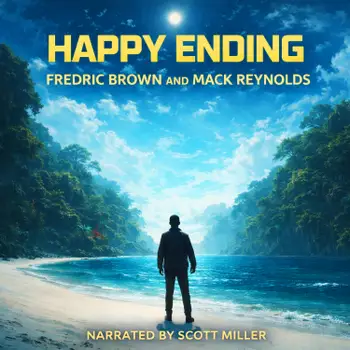
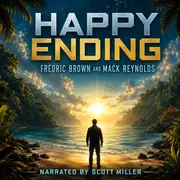
After a brutal interstellar war, a fallen leader vanishes into exile on a remote world, convinced that solitude will preserve his identity. Stripped of armies and admirers, he clings to memory, resentment, and the belief that dominance is his natural state. What follows is not a story of redemption, but a slow, unsettling study of power without witnesses and pride without restraint.
As days stretch into months, the world around him becomes both refuge and adversary. Nature offers abundance, but not obedience. The past refuses to stay buried, echoing through memory and obsession, until the line between command and delusion begins to erode. The story builds with quiet inevitability, drawing tension not from rebellion or revolt, but from the dangerous idea that authority can exist without consent.
This is science fiction at its sharpest: concise, merciless, and psychologically precise. Beneath the alien setting lies a deeply human warning about leadership, ego, and the myths people tell themselves when the cheering stops. The title promises comfort, but the journey questions whether any ending can be called happy when power is the only thing left to believe in.
Fredric Brown was one of science fiction’s most economical and incisive voices, known for stories that delivered devastating ideas with deceptive simplicity. His work often explored human arrogance and moral blind spots, frequently ending with a twist that reframed everything that came before.
Mack Reynolds brought a sharp political edge to mid-century science fiction, writing extensively about economics, ideology, and the mechanics of power. Together, Brown and Reynolds crafted stories that challenged readers not with spectacle, but with uncomfortable truths about authority and control.