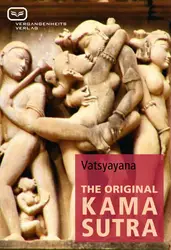
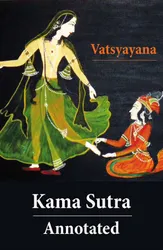
In this illustrated edition of the "Kama Sutra," readers are invited to explore one of the most emblematic texts of ancient literature through a collection that bridges the historical with the visual. This anthology opens a window into the rich tapestry of human relationships, sensuality, and the societal norms that have fascinated readers for centuries. Highlighting diverse literary styles, the collection showcases pieces from the original Sanskrit verses along with Victorian translations that played critical roles in introducing this classical work to the Western world. Each piece within this collection communicates the intricate dance of intimacy and ethics through its profound narratives and striking illustrations. The collection, starring the astute translations by Richard Francis Burton and others, situates itself at the intersection of East and West, offering insights into the evocative cultural history that surrounds "Kama Sutra." The original text, attributed to Vatsyayana, remains timeless in its exploration of human emotions and relations. Each contributing author offers a unique lens into the narrative, echoing the vibrancy and complexity inherent to their cultural milieus and literary traditions, thus enriching the overarching theme of love and morality. Together, these voices form a cohesive narrative imbued with historical significance and illustrative beauty. This compilation presents an extraordinary opportunity for readers to navigate through the myriad themes of the "Kama Sutra". By delving into its pages, readers will experience a convergence of historical wisdom and artistic expression, encouraging them to reflect on the vivid depictions and philosophical dialogues inherent to these ancient teachings. This anthology is not only an educational journey but also a compelling conversation among various authors, making it an indispensable guide for anyone looking to deepen their understanding of cultural and literary intersections regarding human relationships.

Kama Sutra (Illustrated Edition) : An Ancient Indian Treatise on Love, Life and Society For Adult Readers
Skrevet af Vatsyayana og Richard Francis Burton