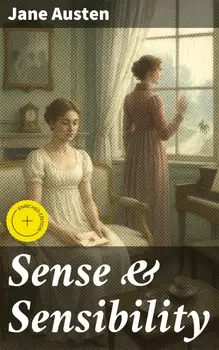
In "Sense and Sensibility," Jane Austen masterfully explores the delicate balance between reason and emotion as she chronicles the lives of the Dashwood sisters, Elinor and Marianne. Set against the backdrop of early 19th-century England, the novel employs Austen's characteristic wit and irony, deftly intertwining themes of love, social class, and the struggle for personal agency. The narrative is enriched by keen social commentary and intricate character development, offering readers a vivid portrayal of a society constrained by tradition and expectation. Jane Austen, born in 1775, was a pioneering novelist who drew upon her own experiences and keen observations of Regency-era society, particularly regarding women's roles and relationships. Growing up in a relatively privileged, yet economically precarious, family, Austen witnessed the harsh realities faced by women, influencing her to create complex female protagonists who navigate the limitations imposed on them. This intimate understanding of her characters' struggles lends authenticity to her storytelling and enhances the social critique found throughout her work. Recommended for both first-time readers and long-time fans, "Sense and Sensibility" is a timeless exploration of the human heart, reflecting the conflicts between reason and sentiment. Austen's delightful prose and astute insights into human nature continue to resonate, making this novel essential reading for anyone seeking to comprehend the nuances of love and society.
In this enriched edition, we have carefully created added value for your reading experience:
- A succinct Introduction situates the work's timeless appeal and themes.
- The Synopsis outlines the central plot, highlighting key developments without spoiling critical twists.
- A detailed Historical Context immerses you in the era's events and influences that shaped the writing.
- An Author Biography reveals milestones in the author's life, illuminating the personal insights behind the text.
- A thorough Analysis dissects symbols, motifs, and character arcs to unearth underlying meanings.
- Reflection questions prompt you to engage personally with the work's messages, connecting them to modern life.
- Hand‐picked Memorable Quotes shine a spotlight on moments of literary brilliance.
- Interactive footnotes clarify unusual references, historical allusions, and archaic phrases for an effortless, more informed read.