eller

Find en historie med det samme

  1. The Complete Novels of Fyodor Dostoyevsky

    Fyodor Dostoyevsky

  2. 3.0

    White Nights

    Fyodor Dostoyevsky

  3. 50 Masterpieces you have to read before you die vol 1

    Louisa May Alcott, Jane Austen, Joseph Conrad, Edwin Abbott, George Eliot, Leo Tolstoy, James Joyce, Charles Dickens, Bram Stoker, Oscar Wilde, Honoré de Balzac, Edgar Rice Burroughs, Anne Brontë, Charlotte Brontë, Emily Brontë, Lewis Carroll, Willa Cather, Miguel de Cervantes, E. Cummings, Fyodor Dostoyevsky, Daniel Defoe, Arthur Conan Doyle, Alexandre Dumas, Gustave Flaubert, Henry James, Victor Hugo

  4. The Complete Works of Fyodor Dostoyevsky : Enriched edition. Exploring the Depths of the Human Psyche: Masterful Stories and Philosophical Insights

    Fyodor Dostoyevsky

  5. 3.8
    #8

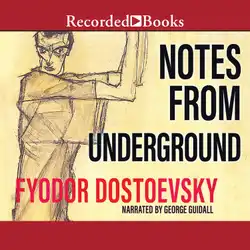
    Notes from Underground

    Fyodor Dostoyevsky

  6. 50 Masterpieces you have to read

    Louisa May Alcott, Jane Austen, Joseph Conrad, D. H. Lawrence, George Eliot, Leo Tolstoy, James Joyce, Charles Dickens, Bram Stoker, Oscar Wilde, Honoré de Balzac, Edgar Rice Burroughs, Anne Brontë, Charlotte Brontë, Emily Brontë, Lewis Carroll, Willa Cather, Miguel de Cervantes, E. Cummings, Fyodor Dostoyevsky, Daniel Defoe, Arthur Conan Doyle, Alexandre Dumas, Gustave Flaubert, Henry James, Victor Hugo

  7. 3.0

    50 Masterpieces you have to read before you die vol: 1 (2020 Edition) : Included: Little Women, The Richest Man in Babylon Emma, The Call Of The Wild ....

    Louisa May Alcott, Dante Alighieri, Marcus Aurelius, Jane Austen, L. Frank Baum, Charlotte Brontë, Emily Brontë, Anne Brontë, Miguel de Cervantes, Agatha Christie, George S. Clason, Arthur Conan Doyle, Joseph Conrad, Charles Dickens, Fyodor Dostoyevsky, Alexandre Dumas, George Eliot, G.K. Chesterton, G.K. Chesterton, Zane Grey, Nathaniel Hawthorne, Napoleon Hill, Homer, Victor Hugo, Frances Hodgson Burnett, Washington Irving, Henry James, Franz Kafka, Rudyard Kipling, Jack London, Leo Tolstoy, H.P. Lovecraft, Lucy Maud Montgomery, Joseph Murphy, Robert Louis Stevenson, Edgar Allan Poe, Marcel Proust, Publius, Mary Shelley, Bram Stoker, Mark Twain, Sun Tzu, Lew Wallace, Wallace D. Wattles, H.G. Wells

  8. 4.0

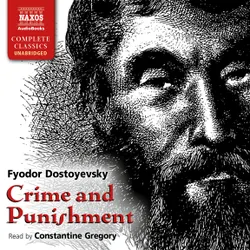
    Crime and Punishment

    Fyodor Dostoyevsky

  9. 4.4

    The Brothers Karamazov

    Fyodor Dostoyevsky

  10. Ny

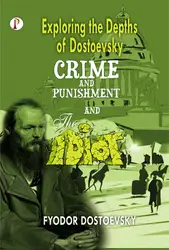
    Exploring the Depths of Dostoevsky: Crime and Punishment & the Idiot Anthology

    Fyodor Dostoyevsky

  11. Ny

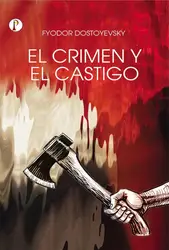
    El Crimen Y El Castigo

    Fyodor Dostoyevsky

  12. Ny

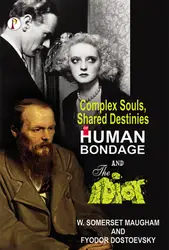
    Complex Souls, Shared Destinies: Of Human Bondage and the Idiot 2-in-1 Combo

    W. Somerset Maugham, Fyodor Dostoyevsky

Om denne bog

In "The Crocodile," Fyodor Dostoyevsky presents a satirical novella that delves into the absurdities of human nature and societal norms through the lens of a bizarre narrative involving a man who is swallowed by a crocodile. This work intricately blends humor and existential angst, characteristic of Dostoyevsky's literary style, offering a profound commentary on bureaucracy and the human condition. It reflects the socio-political climate of 19th-century Russia, where the absurdities of modern life frequently intersected with philosophical inquiries into existence and morality. Dostoyevsky, a pivotal figure in Russian literature, faced many hardships that informed his worldview, including imprisonment and financial instability, which cultivated his acute awareness of the complexities of human existence. These experiences, alongside an evolving sense of moral philosophy, shaped his writing style, often characterized by deep psychological insight and social critique. "The Crocodile" stands as a sardonic examination of materialism and the absurdity of modern life, likely influenced by his own tumultuous experiences in a rapidly changing society. This novella is highly recommended for readers seeking a thought-provoking exploration of absurdity within the context of societal critique. Dostoyevsky's deft humor and sharp observations invite readers to reflect on their own realities while engaging with the timeless themes of identity and existential absurdity.