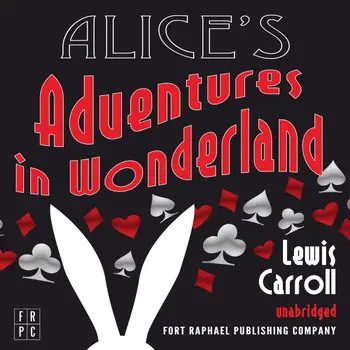
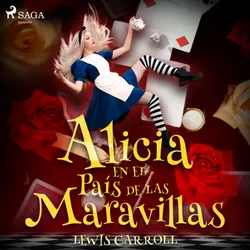
Lewis Carroll's classic tale of nonsense and imagination, "Alice's Adventures in Wonderland" was an immediate sensation upon its publication in 1865. It tells the tale of Alice, a young girl who tumbles down a rabbit hole into a world filled with talking rabbits, grinning cats, mad hatters and vengeful queens. Long hailed as one of the greatest children's books ever created, "Alice" has permeated the culture. The subject of dozens of adaptations, re-tellings, films and stage productions, "Alice" and the sequel Carroll penned soon thereafter - "Through the Lookingglass" - are two of the most treasured works of fiction in the English language.
Charles Lutwidge Dodgson, matemático, lógico y escritor británico más conocido por el seudónimo de Lewis Carroll, nació en Daresbury, Cheshire, en 1832, y murió en Guildford en 1898. Durante cerca de cuarenta años fue profesor de matemáticas en Oxford, y junto con el también lógico George Boole procedió a una axiomatización de la lógica. Pero, sin duda, lo que le ha hecho universalmente conocido son sus historias para niños, historias donde desplegó todo su talento para jugar —y hacernos reflexionar— con el absurdo, el sinsentido y la magia de algunas paradojas lógicas. Carroll, que también gustaba de fotografiar niñas, y que ha dejado una galería de ambiguos retratos infantiles, es autor de Alicia en el país de las maravillas (1865), A través del espejo (1872), La caza del Snark (1876) y Silvia y Bruno (1889).