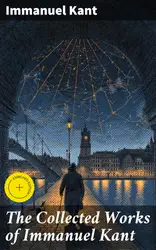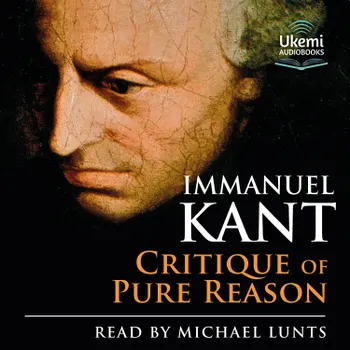
Critique of Pure Reason

Immanuel Kant’s Critique of Pure Reason can lay claim to being the most important single work of modern philosophy, a work whose methodology, if not necessarily always its conclusions, has had a profound influence on almost all subsequent philosophical discourse. In this work Kant addresses, in a groundbreaking elucidation of the nature of reason, the age-old question of philosophy: “How do we know what we know?” and the limits of what it is that we can know with certainty.

Immanuel Kant (1724 to 1804) lived his long life against the background of the Enlightenment and shared in that movement’s growing confidence in the ability of human reason, in the sciences, mathematics and, Kant was to argue, in philosophy too, to explain matters that had previously been the preserve of purely speculative thought and of metaphysics. The Critique of Pure Reason is exactly that, a critique of what ‘pure’ reason, that is to say reason independent of empirical evidence, could claim as truth, particularly with regard to such questions as freedom, causality, and the existence of a Supreme Being. As well as challenging what he saw as the contradictory metaphysical traditions of past philosophers, Kant critiqued both rationalism and empiricism, the alternative schools of philosophical thought dominant at the time, which argued, respectively, for either reason or experience as being the key to our understanding. In the Critique Kant turns these opposing schools on their head and expounds what Kant himself called a revolutionary and all-encompassing ‘Transcendental Idealism’. Instead of an objective reality which we can somehow ‘know’ through either reason or experience, Kant proposes that our knowledge of empirical objects depends upon our subjective reasoning of them (“objects must conform to our knowledge”) and not, as was usually assumed, the other way around. Kant’s exhaustively thorough and ‘scientific’ working out of this central thesis meant that all philosophers who came after him were set a benchmark against which to propound their own arguments with equal thoroughness. Indeed, Kant himself thought that, so comprehensive had his work been in its analysis both of the nature of reason itself and of the shortcomings of all previous thinkers on the subject, that his Critique of Pure Reason might be considered ‘the last word’.

While this was not to be the case, this seminal work still maintains its power to challenge the way we think of ourselves in relation to the world around us and, if we really engage with Kant’s arguments and insights, to change our very understanding of what it means to be a ‘rational’ human being.

This reading uses Kant’s heavily revised Second Edition of the Critique of Pure Reason, published in 1787.

It is read by Michael Lunts who has also recorded Kant’s two subsequent Critiques, Critique of Practical Reason and Critique of Judgement for Ukemi Audiobooks. Translator: Norman Kemp Smith. All the main footnotes included.

Sobre este libro

Immanuel Kant’s Critique of Pure Reason can lay claim to being the most important single work of modern philosophy, a work whose methodology, if not necessarily always its conclusions, has had a profound influence on almost all subsequent philosophical discourse. In this work Kant addresses, in a groundbreaking elucidation of the nature of reason, the age-old question of philosophy: “How do we know what we know?” and the limits of what it is that we can know with certainty.

Immanuel Kant (1724 to 1804) lived his long life against the background of the Enlightenment and shared in that movement’s growing confidence in the ability of human reason, in the sciences, mathematics and, Kant was to argue, in philosophy too, to explain matters that had previously been the preserve of purely speculative thought and of metaphysics. The Critique of Pure Reason is exactly that, a critique of what ‘pure’ reason, that is to say reason independent of empirical evidence, could claim as truth, particularly with regard to such questions as freedom, causality, and the existence of a Supreme Being. As well as challenging what he saw as the contradictory metaphysical traditions of past philosophers, Kant critiqued both rationalism and empiricism, the alternative schools of philosophical thought dominant at the time, which argued, respectively, for either reason or experience as being the key to our understanding. In the Critique Kant turns these opposing schools on their head and expounds what Kant himself called a revolutionary and all-encompassing ‘Transcendental Idealism’. Instead of an objective reality which we can somehow ‘know’ through either reason or experience, Kant proposes that our knowledge of empirical objects depends upon our subjective reasoning of them (“objects must conform to our knowledge”) and not, as was usually assumed, the other way around. Kant’s exhaustively thorough and ‘scientific’ working out of this central thesis meant that all philosophers who came after him were set a benchmark against which to propound their own arguments with equal thoroughness. Indeed, Kant himself thought that, so comprehensive had his work been in its analysis both of the nature of reason itself and of the shortcomings of all previous thinkers on the subject, that his Critique of Pure Reason might be considered ‘the last word’.

While this was not to be the case, this seminal work still maintains its power to challenge the way we think of ourselves in relation to the world around us and, if we really engage with Kant’s arguments and insights, to change our very understanding of what it means to be a ‘rational’ human being.

This reading uses Kant’s heavily revised Second Edition of the Critique of Pure Reason, published in 1787.

It is read by Michael Lunts who has also recorded Kant’s two subsequent Critiques, Critique of Practical Reason and Critique of Judgement for Ukemi Audiobooks. Translator: Norman Kemp Smith. All the main footnotes included.
Empieza este libro hoy por 0 €

  • Disfruta de acceso completo a todos los libros de la app durante el periodo de prueba
  • Sin compromiso, cancela cuando quieras
Pruébalo gratis ahora
Más de 52 000 clientes han dado a Nextory 5 estrellas en la App Store y Google Play.

  1. 100 Clásicos de la Literatura Universal

    Francis Scott Fitzgerald, Mary Shelley, Lyman Frank Baum, Louisa May Alcott, Dante Alighieri, Jane Austen, Ambrose Bierce, Emily Brontë, Edgar Rice Burroughs, Lewis Carroll, Wilkie Collins, René Descartes, Charles Dickens, Emily Dickinson, Alexandre Dumas, Gustave Flaubert, Benito Pérez Galdós, Johann Wolfgang von Goethe, Thomas Hardy, E T A Hoffmann, Washington Irving, Henry James, James Joyce, Franz Kafka, Gaston Leroux, Federico García Lorca, H.P. Lovecraft, Publio Virgilio Marón, Lucy Maud Montgomery, John William Polidori, Marco Polo, Antoine de Saint-Exupéry, Emilio Salgari, Walter Scott, Mark Twain, Jules Verne, Julio Verne, H.G. Wells, Edith Wharton, Mary Wollstonecraft, Stefan Zweig, Sun Tzu, Bram Stoker, - Aristoteles, George Bernard Shaw, Henryk Sienkiewicz, Concepción Arenal, Charlotte Brontë, Miguel de Cervantes, G.K. Chesterton, Daniel Defoe, Fyodor Mikhailovich Dostoyevsky, Arthur Conan Doyle, Sigmund Freud, H. Rider Haggard, Homero, Immanuel Kant, Rudyard Kipling, Molière, Friedrich Nietzsche, Fernando de Rojas, Sófocles, William Makepeace Thackeray, León Tolstói, Voltaire, Ramón María del Valle-Inclán, Oscar Wilde, Virginia Woolf

  2. Crítica de la Razón Pura

    Immanuel Kant

  3. 101 Libros Imprescindibles Para Leer En Tu Vida

    Sun Tzu, Teresa de Jesús, Mark Twain, Julio Verne, Friedrich Nietzsche, Lewis Carroll, L. Frank Baum, Franz Kafka, Voltaire, Victor Hugo, Ignacio De Loyola, Nicolás Maquiavelo, Homero, Benito Pérez Galdós, Platón, León Tolstoi, Antón Chéjov, Arthur Conan Doyle, Jane Austen, Emily Brontë, Robert Louis Stevenson, Oscar Wilde, Mary Shelley, Bram Stoker, H.G. Wells, Edgar Allan Poe, H.P. Lovecraft, Washington Irving, Harriet Beecher Stowe, Herman Melville, Jack London, Seneca, San Agustín, Dante Alighieri, Giovanni Boccaccio, Miguel Cervantes, Hans Christian Andersen, Hermanos Grimm, William Shakespeare, John Milton, Tomás Moro, Jean-Jacques Rousseau, Immanuel Kant, Federico García Lorca, Sófocles, Vicente Blasco Ibáñez, Juan Valera, Leopoldo Alas, Miguel De Unamuno, Emilia Pardo Bazán, Duque de Rivas, José Martí, Antonio Machado, Ramón María Valle-Inclán, Jorge Isaacs, Horacio Quiroga, Gustavo Adolfo Bécquer, Rubén Darío, Charles Baudelaire, Henrik Ibsen, Gibrán Jalil Gibrán

  4. 100 Obras Maestras de la Literatura Universal : Edición enriquecida. Explorando la diversidad literaria a lo largo de los siglos

    Johann Wolfgang Goethe, Gustave Flaubert, Franz Kafka, Lewis Carroll, Sigmund Freud, Henrik Ibsen, Charles Dickens, Honoré de Balzac, Mark Twain, Immanuel Kant, Friedrich Schiller, Harriet Beecher Stowe, Oscar Wilde, Robert Louis Stevenson, Edgar Allan Poe, William Shakespeare, Dante Alighieri, Giovanni Boccaccio, Bram Stoker, Charlotte Brontë, Emily Brontë, Jack London, Henry James, Louisa May Alcott, Victor Hugo, Arthur Conan Doyle, Joseph Conrad, Jane Austen, José Rizal, Edgar Rice Burroughs, Herman Melville, Jonathan Swift, Gustavo Adolfo Bécquer, Vicente Blasco Ibáñez, Benito Pérez Galdós, Jean-Jacques Rousseau, Daniel Defoe, Pedro Calderón Barca, Virginia Woolf, Washington Irving, Juan Valera, Horacio Quiroga, Nathaniel Hawthorne, Charles Baudelaire, Wilkie Collins, William Makepeace Thackeray, Voltaire, Apuleius, Leopoldo Alas, John Milton, José Martí, Lope de Vega, Emilio Salgari, Francisco de Quevedo, Rubén Darío, Antonio Machado, José Zorrilla, Tirso de Molina, Emilia Pardo Bazán, Fernando de Rojas, L. Frank Baum, H.G. Wells, J.M. Barrie, H. Rider Haggard, H.P. Lovecraft, Seneca, Hans Christian Andersen, Friedrich Nietzsche, Mary Shelley, Baltasar Gracián, Sófocles, Sun Tzu, Fiódor Dostoyevski, Antón Chéjov, León Tolstoi, Tomás Moro, San Agustín, Nikolái Gógol, Julio Verne, Homero, Platón, Alejandro Dumas, Aristóteles, Hermanos Grimm, Jorge Isaacs, Ignacio De Loyola, Nicolás Maquiavelo, Miguel Cervantes, Teresa de Jesús, Alejandro Dumas hijo, Mijaíl Bakunin, Miguel De Unamuno, Duque de Rivas, Ramón María Valle-Inclán, Federico García Lorca, Gibrán Jalil Gibrán

  5. 100 Obras Maestras de la Literatura Universal : Edición enriquecida. Viaje intertemporal por iconos mundiales y el diálogo cultural histórico

    Johann Wolfgang Goethe, Gustave Flaubert, Franz Kafka, Lewis Carroll, Sigmund Freud, Henrik Ibsen, Charles Dickens, Honoré de Balzac, Mark Twain, Immanuel Kant, Friedrich Schiller, Harriet Beecher Stowe, Oscar Wilde, Robert Louis Stevenson, Edgar Allan Poe, William Shakespeare, Dante Alighieri, Giovanni Boccaccio, Bram Stoker, Charlotte Brontë, Emily Brontë, Jack London, Henry James, Louisa May Alcott, Victor Hugo, Arthur Conan Doyle, Joseph Conrad, Jane Austen, José Rizal, Edgar Rice Burroughs, Herman Melville, Jonathan Swift, Gustavo Adolfo Bécquer, Vicente Blasco Ibáñez, Benito Pérez Galdós, Jean-Jacques Rousseau, Daniel Defoe, Pedro Calderón Barca, Virginia Woolf, Washington Irving, Juan Valera, Horacio Quiroga, Nathaniel Hawthorne, Charles Baudelaire, Wilkie Collins, William Makepeace Thackeray, Voltaire, Apuleius, Leopoldo Alas, John Milton, José Martí, Lope de Vega, Emilio Salgari, Francisco de Quevedo, Rubén Darío, Antonio Machado, José Zorrilla, Tirso de Molina, Emilia Pardo Bazán, Fernando de Rojas, L. Frank Baum, H.G. Wells, J.M. Barrie, H. Rider Haggard, H.P. Lovecraft, Seneca, Hans Christian Andersen, Friedrich Nietzsche, Mary Shelley, Baltasar Gracián, Sófocles, Sun Tzu, Fiódor Dostoyevski, Antón Chéjov, León Tolstoi, Tomás Moro, San Agustín, Nikolái Gógol, Julio Verne, Homero, Platón, Alejandro Dumas, Aristóteles, Hermanos Grimm, Jorge Isaacs, Ignacio De Loyola, Nicolás Maquiavelo, Miguel Cervantes, Teresa de Jesús, Alejandro Dumas hijo, Mijaíl Bakunin, Miguel De Unamuno, Duque de Rivas, Ramón María Valle-Inclán, Federico García Lorca, Gibrán Jalil Gibrán

  6. 101 Libros Imprescindibles Para Leer En Tu Vida : Edición enriquecida. Explorando la vastedad literaria a través de 101 obras imprescindibles

    Franz Kafka, Lewis Carroll, Henrik Ibsen, Mark Twain, Immanuel Kant, Harriet Beecher Stowe, Oscar Wilde, Robert Louis Stevenson, Edgar Allan Poe, William Shakespeare, Dante Alighieri, Giovanni Boccaccio, Bram Stoker, Emily Brontë, Jack London, Victor Hugo, Arthur Conan Doyle, Jane Austen, Herman Melville, Gustavo Adolfo Bécquer, Vicente Blasco Ibáñez, Benito Pérez Galdós, Jean-Jacques Rousseau, Washington Irving, Juan Valera, Horacio Quiroga, Charles Baudelaire, Voltaire, Leopoldo Alas, John Milton, José Martí, Rubén Darío, Antonio Machado, Emilia Pardo Bazán, L. Frank Baum, H.G. Wells, H.P. Lovecraft, Seneca, Hans Christian Andersen, Friedrich Nietzsche, Mary Shelley, Sófocles, Sun Tzu, Antón Chéjov, León Tolstoi, Tomás Moro, San Agustín, Julio Verne, Homero, Platón, Hermanos Grimm, Jorge Isaacs, Ignacio De Loyola, Nicolás Maquiavelo, Miguel Cervantes, Teresa de Jesús, Miguel De Unamuno, Duque de Rivas, Ramón María Valle-Inclán, Federico García Lorca, Gibrán Jalil Gibrán

  7. 101 Libros Imprescindibles Para Leer En Tu Vida : Edición enriquecida. Un viaje sinérgico por la riqueza de la literatura mundial y la evolución narrativa

    Franz Kafka, Lewis Carroll, Henrik Ibsen, Mark Twain, Immanuel Kant, Harriet Beecher Stowe, Oscar Wilde, Robert Louis Stevenson, Edgar Allan Poe, William Shakespeare, Dante Alighieri, Giovanni Boccaccio, Bram Stoker, Emily Brontë, Jack London, Victor Hugo, Arthur Conan Doyle, Jane Austen, Herman Melville, Gustavo Adolfo Bécquer, Vicente Blasco Ibáñez, Benito Pérez Galdós, Jean-Jacques Rousseau, Washington Irving, Juan Valera, Horacio Quiroga, Charles Baudelaire, Voltaire, Leopoldo Alas, John Milton, José Martí, Rubén Darío, Antonio Machado, Emilia Pardo Bazán, L. Frank Baum, H.G. Wells, H.P. Lovecraft, Seneca, Hans Christian Andersen, Friedrich Nietzsche, Mary Shelley, Sófocles, Sun Tzu, Antón Chéjov, León Tolstoi, Tomás Moro, San Agustín, Julio Verne, Homero, Platón, Hermanos Grimm, Jorge Isaacs, Ignacio De Loyola, Nicolás Maquiavelo, Miguel Cervantes, Teresa de Jesús, Miguel De Unamuno, Duque de Rivas, Ramón María Valle-Inclán, Federico García Lorca, Gibrán Jalil Gibrán

  8. 100 Obras Maestras de la Literatura Universal

    Homero, Sófocles, Platón, Aristóteles, Apuleius, Seneca, San Agustín, Sun Tzu, Teresa de Jesús, Ignacio De Loyola, Nicolás Maquiavelo, Dante Alighieri, Giovanni Boccaccio, Miguel Cervantes, Hans Christian Andersen, Hermanos Grimm, William Shakespeare, John Milton, Tomás Moro, Jean-Jacques Rousseau, Immanuel Kant, Jonathan Swift, Daniel Defoe, Charles Dickens, William Makepeace Thackeray, Jane Austen, Charlotte Brontë, Emily Brontë, Robert Louis Stevenson, Oscar Wilde, Mary Shelley, Bram Stoker, Henry James, Arthur Conan Doyle, Wilkie Collins, Joseph Conrad, H. Rider Haggard, Edgar Rice Burroughs, H.G. Wells, Edgar Allan Poe, H.P. Lovecraft, Washington Irving, Harriet Beecher Stowe, Mark Twain, Herman Melville, Jack London, Nathaniel Hawthorne, Louisa May Alcott, J.M. Barrie, Lewis Carroll, L. Frank Baum, Voltaire, Victor Hugo, Honoré de Balzac, Gustave Flaubert, Alejandro Dumas, Alejandro Dumas hijo, Julio Verne, Emilio Salgari, Johann Wolfgang Goethe, Friedrich Schiller, Friedrich Nietzsche, Franz Kafka, Sigmund Freud, Nikolái Gógol, Fiódor Dostoyevski, León Tolstoi, Antón Chéjov, Mijaíl Bakunin, Virginia Woolf, Fernando de Rojas, Lope de Vega, Tirso de Molina, Francisco de Quevedo, Pedro Calderón Barca, Baltasar Gracián, José Zorrilla, Vicente Blasco Ibáñez, Juan Valera, Leopoldo Alas, Benito Pérez Galdós, Miguel De Unamuno, Emilia Pardo Bazán, Duque de Rivas, José Martí, Antonio Machado, Ramón María Valle-Inclán, Jorge Isaacs, Horacio Quiroga, Federico García Lorca, Gustavo Adolfo Bécquer, Rubén Darío, Charles Baudelaire, Henrik Ibsen, Gibrán Jalil Gibrán, José Rizal

  9. Fundamentación de la metafísica de las costumbres

    Immanuel Kant

  10. 1.0

    Sobre la paz perpetua

    Immanuel Kant

  11. The Science of Right

    Immanuel Kant

  12. Sobre la pau perpètua

    Immanuel Kant, Jean-Jacques Rousseau


Categorías relacionadas