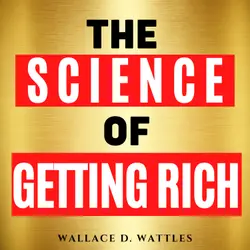
In How to Get What You Want, Wallace D. Wattles presents a concise manual of practical metaphysics, arguing that desire, rightly understood, is not selfish impulse but the mind's intimation of unrealized possibility. Written in the direct, aphoristic style of early twentieth-century New Thought literature, the book blends moral exhortation, mental discipline, and spiritual optimism. Its central concern is the disciplined alignment of thought, faith, and action, placing it within the same reformist self-culture tradition that shaped American prosperity writing. Wattles, best known for The Science of Getting Rich, wrote from within a milieu influenced by Transcendentalism, Christian Science, and popular mental healing movements. His own life, marked by economic struggle and an intense search for practical spiritual laws, helps explain the urgency of his message. He sought not abstract theology but a usable philosophy: a method by which ordinary people might transform limitation into purposeful achievement. This book is recommended for readers interested in the origins of modern self-help, the intellectual history of positive thinking, or the spiritual rhetoric of success. Though brief, it offers a revealing and energetic statement of Wattles's conviction that inner order precedes outer attainment.
This enriched edition has been carefully crafted to add value to your reading experience.
- A succinct Introduction situates the work's timeless appeal and themes.
- The Synopsis outlines the central plot, highlighting key developments without spoiling critical twists.
- A detailed Historical Context immerses you in the era's events and influences that shaped the writing.
- A thorough Analysis dissects symbols, motifs, and character arcs to unearth underlying meanings.
- Reflection questions prompt you to engage personally with the work's messages, connecting them to modern life.
- Hand‐picked Memorable Quotes shine a spotlight on moments of literary brilliance.
- Interactive footnotes clarify unusual references, historical allusions, and archaic phrases for an effortless, more informed read.