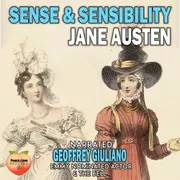
Sobre este libro

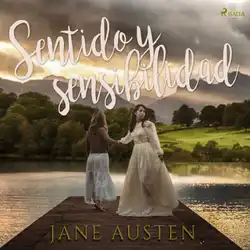
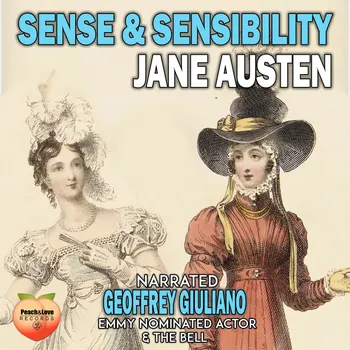
"Sense and Sensibility" is a classic novel written by Jane Austen, first published in 1811. The novel is set in the early 19th century and follows the lives of the Dashwood sisters, Elinor and Marianne, as they navigate love, societal expectations, and financial challenges. The story unfolds when the sisters, along with their mother, find themselves in reduced circumstances after the death of their father. Due to the laws of inheritance at the time, the family estate passes to a half-brother, leaving the Dashwood women in a precarious financial situation. This change in circumstances forces the sisters to confront the realities of a society where marriage is often a woman's primary means of financial security.

Elinor Dashwood is characterized by her "sense," representing practicality and restrained emotions. In contrast, Marianne Dashwood embodies "sensibility," emphasizing emotion and romantic ideals. The novel explores how these differing approaches to life and love shape the sisters' experiences and relationships.

As the Dashwood sisters navigate the complex social landscape, they encounter a cast of characters, including potential suitors and friends. The novel delves into themes such as love, class, societal expectations, and the limitations placed on women in the early 19th century. Austen's writing is known for its wit, irony, and social commentary. "Sense and Sensibility" is no exception, as it offers a satirical portrayal of the manners and conventions of the time while providing keen insights into human nature. The novel is a delightful exploration of romance and societal norms, and it remains a beloved classic that continues to captivate readers with its timeless themes and engaging characters.

Empieza este libro hoy por 0 €

  • Disfruta de acceso completo a todos los libros de la app durante el periodo de prueba
  • Sin compromiso, cancela cuando quieras
Pruébalo gratis ahora
Más de 52 000 clientes han dado a Nextory 5 estrellas en la App Store y Google Play.

  1. 3.9

    Persuasión

    Jane Austen

  2. 4.5
    #1

    Orgullo Y Prejuicio

    Jane Austen

  3. 4.6

    Orgullo y Prejuicio :

    Jane Austen

  4. Mejor valorados
    4.7

    Orgullo y prejuicio - Audiolibro

    Jane Austen, Audiolibros Clásicos, Audiolibros de Clásicos

  5. 101 Libros Imprescindibles Para Leer En Tu Vida : Edición enriquecida. Explorando la vastedad literaria a través de 101 obras imprescindibles

    Franz Kafka, Lewis Carroll, Henrik Ibsen, Mark Twain, Immanuel Kant, Harriet Beecher Stowe, Oscar Wilde, Robert Louis Stevenson, Edgar Allan Poe, William Shakespeare, Dante Alighieri, Giovanni Boccaccio, Bram Stoker, Emily Brontë, Jack London, Victor Hugo, Arthur Conan Doyle, Jane Austen, Herman Melville, Gustavo Adolfo Bécquer, Vicente Blasco Ibáñez, Benito Pérez Galdós, Jean-Jacques Rousseau, Washington Irving, Juan Valera, Horacio Quiroga, Charles Baudelaire, Voltaire, Leopoldo Alas, John Milton, José Martí, Rubén Darío, Antonio Machado, Emilia Pardo Bazán, L. Frank Baum, H.G. Wells, H.P. Lovecraft, Seneca, Hans Christian Andersen, Friedrich Nietzsche, Mary Shelley, Sófocles, Sun Tzu, Antón Chéjov, León Tolstoi, Tomás Moro, San Agustín, Julio Verne, Homero, Platón, Hermanos Grimm, Jorge Isaacs, Ignacio De Loyola, Nicolás Maquiavelo, Miguel Cervantes, Teresa de Jesús, Miguel De Unamuno, Duque de Rivas, Ramón María Valle-Inclán, Federico García Lorca, Gibrán Jalil Gibrán

  6. 4.4

    Orgullo y prejuicio

    Jane Austen

  7. 4.5
    #1

    Orgullo y prejuicio

    Jane Austen

  8. 4.4

    Orgullo y Prejuicio

    Jane Austen

  9. 4.1

    Sentido y sensibilidad

    Jane Austen

  10. 3.8

    Emma

    Jane Austen

  11. Nuevo
    4.1

    Northanger Abbey

    Jane Austen

  12. 50 Clásicos que debes leer antes de morir : Las Obras Inmortales de la Literatura Universal en un Solo Volumen

    Dante Alighieri, Aristóteles, Jane Austen, Charles Baudelaire, Giovanni Boccaccio, Anne Brontë, C. Collodi, James Fenimore Cooper, Fedor Mikhaïlovitch Dostoïevski, Arthur Conan Doyle, Alexandre Dumas, José de Espronceda, Gustave Flaubert, Sigmund Freud, Benito Pérez Galdós, Kahlil Gibran, Johann Wolfgang Goethe