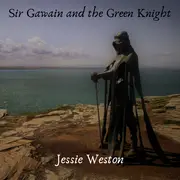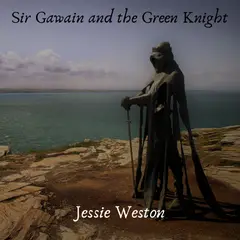
Sir Gawain and the Green Knight is a late 14th-century chivalric romance in Middle English. The author is unknown; the title was given centuries later. It is one of the best-known Arthurian stories, with its plot combining two types of folk motifs: the beheading game, and the exchange of winnings. Written in stanzas of alliterative verse, each of which ends in a rhyming bob and wheel;[1] it draws on Welsh, Irish, and English stories, as well as the French chivalric tradition. It is an important example of a chivalric romance, which typically involves a hero who goes on a quest which tests his prowess. It remains popular in modern English renderings from J. R. R. Tolkien, Simon Armitage, and others, as well as through film and stage adaptations.
Sir Gawain and the Green Knight
global.banner_device.title.dynamic
- Disfruta de acceso completo a todos los libros de la app durante el periodo de prueba
- Sin compromiso, cancela cuando quieras
Autor/a:
Narrador/a:
Idioma:
Inglés
Formato:

Revealing King Arthur : Swords, Stones and Digging for Camelot

Diálogos: Apología de Sócrates. Fedón. Banquete. Fedro

La Comunitat Valenciana en el segle. XXI. Reptes i solucions.

Ambigüedades del amor

Ética a Nicómaco : Edición enriquecida. Explorando la moralidad y la virtud en la ética griega

Entre hermeneutica y teoria critica : Articulos 1929-1931

Giorgio Agamben. Justicia viva

Escritos de juventud 1923-1942

La utilidad de lo inútil : Manifiesto

La barbarie de la ignorancia

Laques : Edición enriquecida. Un diálogo sobre la virtud y el valor en la Grecia antigua

Human History on Drugs Human History on Drugs : An Utterly Scandalous but Entirely Truthful Look at History Under the Influence