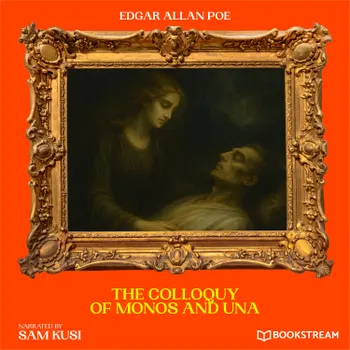
Monos. Yes, fairest and best beloved Una, "born again." These were the words upon whose mystical meaning I had so long pondered, rejecting the explanations of the priesthood, until Death himself resolved for me the secret.
Una. Death!
Monos. How strangely, sweet Una, you echo my words! I observe, too, a vacillation in your step — a joyous inquietude in your eyes. You are confused and oppressed by the majestic novelty of the Life Eternal. Yes, it was of Death I spoke. And here how singularly sounds that word which of old was wont to bring terror to all hearts — throwing a mildew upon all pleasures!
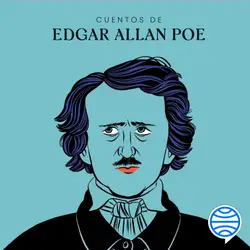
Edgar Allan Poe hijo de unos actores ambulantes de teatro, se quedó huérfano a los dos años. Fue criado por John Allan, un hombre de negocios rico, y educado en Inglaterra y Norteamérica. Su vida universitaria fue rebelde y libertina, en esta época es cuando el poeta empieza a beber, hasta que es expulsado de la Universidad de Virginia por jugador. En 1827 escribió su primer volumen de poesías, Tamerlán, en la que se denota una leve inclinación byroniana. En 1830 lo admitieron en la Academia Militar de West Point, de la que pronto fue expulsado. A partir de entonces se inicia su agitada carrera literaria.Vivía al día, como periodista con un sueldo mediocre, pero estas actividades lo llevaron a conseguir muchos trabajos en calidad de colaborador y posteriormente, llegar a la dirección de numerosos periódicos, entre ellos el Southern Literary Messenger, el cual se convirtió bajo su dirección en el más importante periódico del sur. Por todos estos empleos recibía un sueldo mísero, pero a cambio le daban la oportunidad de publicar sus relatos, lo que le proporcionó fama; sin embargo, la mayor parte del tiempo vivió el la más absoluta miseria, con algunos lapsos de relativa calma.