Sobre este libro

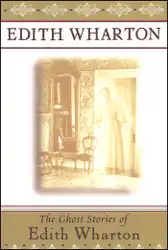
Edith Wharton's The Ghost Stories gathers tales in which supernatural disturbance becomes a precise instrument for examining memory, guilt, desire, and social confinement. Rather than relying chiefly on sensational apparitions, Wharton builds unease through implication, psychological ambiguity, and the slow violation of apparently secure domestic spaces. Her elegant, controlled prose, sharply observant dialogue, and finely calibrated narrative perspectives place these stories within the tradition of the American and European Gothic while also linking them to literary modernism's interest in subjective experience and uncertain reality. Haunted houses, uncanny encounters, and returning presences often reveal less about the dead than about the living, exposing the emotional costs of privilege, repression, and self-deception. A major American novelist, short-story writer, and cultural critic, Wharton brought to fiction an intimate knowledge of inherited wealth, rigid social codes, and the restricted opportunities available to women of her class. Her cosmopolitan life between the United States and Europe, together with her engagement with architecture, art, and wartime experience, enriched her sensitivity to spaces shaped by history and silence. The supernatural offered her a compelling means of rendering pressures that conventional realism could only indirectly express. This volume will reward readers interested in Gothic fiction, psychological realism, and the relationship between social criticism and the uncanny. It is especially recommended for those who value atmosphere, formal subtlety, and stories whose mysteries deepen rather than resolve their understanding of human behavior.

Empieza este libro hoy por 0 €

  • Disfruta de acceso completo a todos los libros de la app durante el periodo de prueba
  • Sin compromiso, cancela cuando quieras
Pruébalo gratis ahora
Más de 52 000 clientes han dado a Nextory 5 estrellas en la App Store y Google Play.

Libros similares

Más de Edith Wharton

  1. 100 Clásicos de la Literatura Universal

    Francis Scott Fitzgerald, Mary Shelley, Lyman Frank Baum, Louisa May Alcott, Dante Alighieri, Jane Austen, Ambrose Bierce, Emily Brontë, Edgar Rice Burroughs, Lewis Carroll, Wilkie Collins, René Descartes, Charles Dickens, Emily Dickinson, Alexandre Dumas, Gustave Flaubert, Benito Pérez Galdós, Johann Wolfgang von Goethe, Thomas Hardy, E T A Hoffmann, Washington Irving, Henry James, James Joyce, Franz Kafka, Gaston Leroux, Federico García Lorca, H.P. Lovecraft, Publio Virgilio Marón, Lucy Maud Montgomery, John William Polidori, Marco Polo, Antoine de Saint-Exupéry, Emilio Salgari, Walter Scott, Mark Twain, Jules Verne, Julio Verne, H.G. Wells, Edith Wharton, Mary Wollstonecraft, Stefan Zweig, Sun Tzu, Bram Stoker, - Aristoteles, George Bernard Shaw, Henryk Sienkiewicz, Concepción Arenal, Charlotte Brontë, Miguel de Cervantes, G.K. Chesterton, Daniel Defoe, Fyodor Mikhailovich Dostoyevsky, Arthur Conan Doyle, Sigmund Freud, H. Rider Haggard, Homero, Immanuel Kant, Rudyard Kipling, Molière, Friedrich Nietzsche, Fernando de Rojas, Sófocles, William Makepeace Thackeray, León Tolstói, Voltaire, Ramón María del Valle-Inclán, Oscar Wilde, Virginia Woolf

  2. 3.8

    La edad de la inocencia

    Edith Wharton

  3. 3.6

    Las hermanas Bunner

    Edith Wharton

  4. 3.9

    Ethan Frome

    Edith Wharton

  5. 3.6

    La casa de la alegría

    Edith Wharton

  6. 3.6

    La casa de la alegría

    Edith Wharton

  7. Nuevo

    50 Masterpieces you have to read before you die vol: 2

    Joseph Sheridan Fanu, Madame de Fayette, Jerome K Jerome, James Joyce, Charles Kingsley, Rudyard Kipling, Pierre Choderlos Laclos, D. H. Lawrence, Matthew Gregory Lewis, Sinclair Lewis, Jack London, H.P. Lovecraft, Thomas Mann, W. Somerset Maugham, Guy De Maupassant, Herman Melville, Edgar Allan Poe, Marcel Proust, Ann Radcliffe, Samuel Richardson, George Sand, Walter Scott, Mary Shelley, Henryk Sienkiewicz, May Sinclair, Upton Sinclair, Stendhal, Laurence Sterne, Robert Louis Stevenson, Bram Stoker, Harriet Beecher Stowe, Jonathan Swift, Rabindranath Tagore, William Makepeace Thackeray, Leo Tolstoy, Anthony Troloppe, Ivan Turgenev, Mark Twain, Jules Verne, Lew Wallace, H.G. Wells, Rebecca West, Edith Wharton, Oscar Wilde, Cao Xueqin, Émile Zola

  8. 3.8

    Ethan Frome

    Edith Wharton

  9. 4.3
    #157

    Escribir ficción

    Edith Wharton

  10. 100 Clásicos de la Literatura

    Francis Scott Fitzgerald, Mary Shelley, Lyman Frank Baum, Louisa May Alcott, Dante Alighieri, Jane Austen, Ambrose Bierce, Emily Brontë, Edgar Rice Burroughs, Lewis Carroll, Wilkie Collins, René Descartes, Charles Dickens, Emily Dickinson, Alexandre Dumas, Gustave Flaubert, Benito Pérez Galdós, Johann Wolfgang von Goethe, Thomas Hardy, E T A Hoffmann, Washington Irving, Henry James, James Joyce, Franz Kafka, Gaston Leroux, Federico García Lorca, H.P. Lovecraft, Publio Virgilio Marón, Lucy Maud Montgomery, John William Polidori, Marco Polo, Antoine de Saint-Exupéry, Emilio Salgari, Walter Scott, Mark Twain, Jules Verne, H.G. Wells, Edith Wharton, Mary Wollstonecraft, Fernando de Rojas

  11. Nuevo

    Francia combatiente

    Edith Wharton

  12. 50 Masterpieces You Have to Read : Volume Two - A Second Library of World Literature

    Joseph Sheridan Fanu, Madame de Fayette, Jerome K Jerome, James Joyce, Charles Kingsley, Rudyard Kipling, Pierre Choderlos Laclos, D. H. Lawrence, Matthew Gregory Lewis, Sinclair Lewis, Jack London, H.P. Lovecraft, Thomas Mann, W. Somerset Maugham, Guy De Maupassant, Herman Melville, Edgar Allan Poe, Marcel Proust, Ann Radcliffe, Samuel Richardson, George Sand, Walter Scott, Mary Shelley, Henryk Sienkiewicz, May Sinclair, Upton Sinclair, Stendhal, Laurence Sterne, Robert Louis Stevenson, Bram Stoker, Harriet Beecher Stowe, Jonathan Swift, Rabindranath Tagore, William Makepeace Thackeray, Leo Tolstoy, Anthony Trollope, Ivan Turgenev, Mark Twain, Jules Verne, Lew Wallace, H.G. Wells, Rebecca West, Edith Wharton, Oscar Wilde, Cao Xueqin, Émile Zola