Sobre este libro

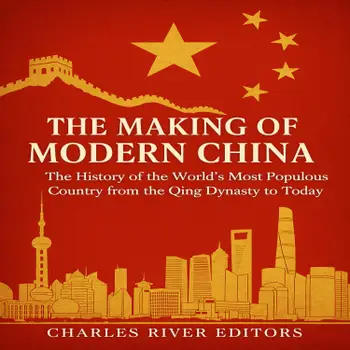
During the 15th century, China had become economically and technologically advanced compared to civilizations in Europe at the time, and its fleet, which had reached a total of 3,500 ships, was unmatched by any other world power. Nevertheless, after conducting several trade expeditions with the massive fleet, the Chinese ships were either burned in the docks or left to rot. With that, China began to revert to the xenophobic policies of its past and reduce its presence in other lands. By 1525, the largest naval fleet in the world had essentially been destroyed or dismantled by China itself.

Meanwhile, the 19th century saw the rise of one of the largest, most powerful empires of the modern era. The sun never set on the British Empire, whose holdings spanned the globe, in one form or another. Its naval supremacy linked the Commonwealth of Canada with the colonies in South Africa and India, and through them trade flowed east and west. An integral but underutilized part of this vast trade network included China, a reclusive Asian kingdom closed off from the Western world that desired none of its goods.

Unfortunately for China, the British had the might of an empire and economic force, not to mention modern arms, on their side. Breaking into China’s lucrative trade markets nearly destroyed the nation, severely discredited the Chinese dynasty, wreaked havoc on its people, and further propelled Britain’s empire into a dominant economic and military position.

The collision of these two empires took many years and caused much bloodshed. In fact, the troubles started well before the eventual hostilities, festering as frustration mounted until finally boiling over. Such was the state of relations between the British Empire and Qing Dynasty for the better part of the century, its footing upended from the very start of relations.

Empieza este libro hoy por 0 €

  • Disfruta de acceso completo a todos los libros de la app durante el periodo de prueba
  • Sin compromiso, cancela cuando quieras
Pruébalo gratis ahora
Más de 52 000 clientes han dado a Nextory 5 estrellas en la App Store y Google Play.

Libros similares

  1. 4.0

    Los moros de Andalucía: la historia de los musulmanes en la Península Ibérica durante la Edad Media

    Charles River Editors

  2. 5.0

    The Sabines: The History and Legacy of the People Who Lived in Central Italy Before the Founding of Rome

    Charles River Editors

  3. Israel’s Most Legendary Operations: The History of the Jewish State’s Famous Intelligence Operations and Special Forces Raids

    Charles River Editors

  4. La Alhambra y el Alcázar de Sevilla: la historia de las famosas fortalezas construidas por los moros en España

    Charles River Editors

  5. La Guerra Civil española: La historia y el legado del controversial conflicto que estableció la dictadura de Francisco Franco en España

    Charles River Editors

  6. 4.0

    The Cumans and Magyars: The History and Legacy of the Steppe Nomads Who Raided Europe Throughout the Late Middle Ages

    Charles River Editors

  7. Los moros del Magreb: la historia de los musulmanes en el norte de África durante la Edad Media

    Charles River Editors

  8. La República de Génova: la historia de la ciudad italiana dominó el Mediterráneo durante toda la Edad Media

    Charles River Editors

  9. La Capilla Sixtina: Historia y legado de la capilla más famosa del mundo

    Charles River Editors

  10. The Spanish Empire in the Americas: The History of Spain’s Colonization across Central America and South America

    Charles River Editors

  11. El Muro de Berlín: La historia y el legado del muro más famoso del mundo

    Charles River Editors

  12. Ancient and Medieval Conspiracy Theories: The History of the World’s Most Persistent Conspiracy Theories

    Charles River Editors