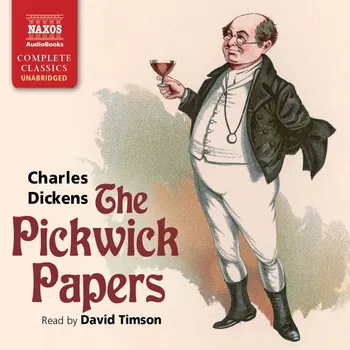
In The Pickwick Papers, his first novel, Dickens displays the talents and skills that became his trademark; observational humour, pathos and social comment abound as we follow Mr Pickwick and Sam Weller, his sharp-tongued cockney servant, travelling around England with his friends in search of adventure and knowledge. Brilliantly comic scenes at the Eatanswill election, and the trial of Mrs Bardell vs Pickwick contrast with the horrors of the debtors prison. It was Thackeray who described the novel as ‘that great contemporary history’, and it presents a nostalgic view of England just before the coming of the railway.
Charles Dickens (Portsmuth, 1812 – Gadshill, 1870) ha llegado hasta nosotros como el autor más importante e influyente de la literatura victoriana. Sus obras y su peripecia personal, íntimamente relacionadas, plasmaron no sólo el pulso social de su época, también el terrible estado moral de una sociedad atrapada en la desigualdad y las convenciones. Dickens experimentó la miseria, el éxito popular, la cárcel, el hambre... sólo logró cumplir con el más íntimo de sus anhelos, la libertad, entregándose a la literatura. Aunque muchas de sus obras gozaron de un extraordinario favor popular, baste decir que muchas de ellas fueron publicadas por entregas, en formato folletín; serían las críticas entusiastas de George Gissing y G. K. Chesterton las que encumbrarían a Dickens como el autor más importante de la literatura inglesa del siglo XIX.