Sobre este libro

In the Paris of the Empire there were found Thirteen men equally impressed with the same idea, equally endowed with energy enough to keep them true to it, while among themselves they were loyal enough to keep faith even when their interests seemed to clash. They were strong enough to set themselves above all laws; bold enough to shrink from no enterprise; and lucky enough to succeed in nearly everything that they undertook. So profoundly politic were they, that they could dissemble the tie which bound them together. They ran the greatest risks, and kept their failures to themselves. Fear never entered into their calculations; not one of them had trembled before princes, before the executioner's axe, before innocence. They had taken each other as they were, regardless of social prejudices. Criminals they doubtless were, yet none the less were they all remarkable for some one of the virtues which go to the making of great men, and their numbers were filled up only from among picked recruits. Finally, that nothing should be lacking to complete the dark, mysterious romance of their history, nobody to this day knows who they were. The Thirteen once realized all the wildest ideas conjured up by tales of the occult powers of a Manfred, a Faust, or a Melmoth; and today the band is broken up or, at any rate, dispersed. Its members have quietly returned beneath the yoke of the Civil Code; much as Morgan, the Achilles of piracy, gave up buccaneering to be a peaceable planter; and, untroubled by qualms of conscience, sat himself down by the fireside to dispose of blood-stained booty acquired by the red light of blazing towns.
Empieza este libro hoy por 0 €

  • Disfruta de acceso completo a todos los libros de la app durante el periodo de prueba
  • Sin compromiso, cancela cuando quieras
Pruébalo gratis ahora
Más de 52 000 clientes han dado a Nextory 5 estrellas en la App Store y Google Play.

  1. 4.4

    Las ilusiones perdidas : (Original French: Illusions perdues)

    Honoré de Balzac

  2. 100 Obras Maestras de la Literatura Universal : Edición enriquecida. Viaje intertemporal por iconos mundiales y el diálogo cultural histórico

    Johann Wolfgang Goethe, Gustave Flaubert, Franz Kafka, Lewis Carroll, Sigmund Freud, Henrik Ibsen, Charles Dickens, Honoré de Balzac, Mark Twain, Immanuel Kant, Friedrich Schiller, Harriet Beecher Stowe, Oscar Wilde, Robert Louis Stevenson, Edgar Allan Poe, William Shakespeare, Dante Alighieri, Giovanni Boccaccio, Bram Stoker, Charlotte Brontë, Emily Brontë, Jack London, Henry James, Louisa May Alcott, Victor Hugo, Arthur Conan Doyle, Joseph Conrad, Jane Austen, José Rizal, Edgar Rice Burroughs, Herman Melville, Jonathan Swift, Gustavo Adolfo Bécquer, Vicente Blasco Ibáñez, Benito Pérez Galdós, Jean-Jacques Rousseau, Daniel Defoe, Pedro Calderón Barca, Virginia Woolf, Washington Irving, Juan Valera, Horacio Quiroga, Nathaniel Hawthorne, Charles Baudelaire, Wilkie Collins, William Makepeace Thackeray, Voltaire, Apuleius, Leopoldo Alas, John Milton, José Martí, Lope de Vega, Emilio Salgari, Francisco de Quevedo, Rubén Darío, Antonio Machado, José Zorrilla, Tirso de Molina, Emilia Pardo Bazán, Fernando de Rojas, L. Frank Baum, H.G. Wells, J.M. Barrie, H. Rider Haggard, H.P. Lovecraft, Seneca, Hans Christian Andersen, Friedrich Nietzsche, Mary Shelley, Baltasar Gracián, Sófocles, Sun Tzu, Fiódor Dostoyevski, Antón Chéjov, León Tolstoi, Tomás Moro, San Agustín, Nikolái Gógol, Julio Verne, Homero, Platón, Alejandro Dumas, Aristóteles, Hermanos Grimm, Jorge Isaacs, Ignacio De Loyola, Nicolás Maquiavelo, Miguel Cervantes, Teresa de Jesús, Alejandro Dumas hijo, Mijaíl Bakunin, Miguel De Unamuno, Duque de Rivas, Ramón María Valle-Inclán, Federico García Lorca, Gibrán Jalil Gibrán

  3. 8 oct

    La piel de zapa

    Honoré de Balzac

  4. 4.0

    El elixir de la larga vida :

    Honoré de Balzac

  5. Petrilla

    Honoré de Balzac

  6. 100 Obras Maestras de la Literatura Universal

    Homero, Sófocles, Platón, Aristóteles, Apuleius, Seneca, San Agustín, Sun Tzu, Teresa de Jesús, Ignacio De Loyola, Nicolás Maquiavelo, Dante Alighieri, Giovanni Boccaccio, Miguel Cervantes, Hans Christian Andersen, Hermanos Grimm, William Shakespeare, John Milton, Tomás Moro, Jean-Jacques Rousseau, Immanuel Kant, Jonathan Swift, Daniel Defoe, Charles Dickens, William Makepeace Thackeray, Jane Austen, Charlotte Brontë, Emily Brontë, Robert Louis Stevenson, Oscar Wilde, Mary Shelley, Bram Stoker, Henry James, Arthur Conan Doyle, Wilkie Collins, Joseph Conrad, H. Rider Haggard, Edgar Rice Burroughs, H.G. Wells, Edgar Allan Poe, H.P. Lovecraft, Washington Irving, Harriet Beecher Stowe, Mark Twain, Herman Melville, Jack London, Nathaniel Hawthorne, Louisa May Alcott, J.M. Barrie, Lewis Carroll, L. Frank Baum, Voltaire, Victor Hugo, Honoré de Balzac, Gustave Flaubert, Alejandro Dumas, Alejandro Dumas hijo, Julio Verne, Emilio Salgari, Johann Wolfgang Goethe, Friedrich Schiller, Friedrich Nietzsche, Franz Kafka, Sigmund Freud, Nikolái Gógol, Fiódor Dostoyevski, León Tolstoi, Antón Chéjov, Mijaíl Bakunin, Virginia Woolf, Fernando de Rojas, Lope de Vega, Tirso de Molina, Francisco de Quevedo, Pedro Calderón Barca, Baltasar Gracián, José Zorrilla, Vicente Blasco Ibáñez, Juan Valera, Leopoldo Alas, Benito Pérez Galdós, Miguel De Unamuno, Emilia Pardo Bazán, Duque de Rivas, José Martí, Antonio Machado, Ramón María Valle-Inclán, Jorge Isaacs, Horacio Quiroga, Federico García Lorca, Gustavo Adolfo Bécquer, Rubén Darío, Charles Baudelaire, Henrik Ibsen, Gibrán Jalil Gibrán, José Rizal

  7. 100 Obras Maestras de la Literatura Universal : Edición enriquecida. Explorando la diversidad literaria a lo largo de los siglos

    Johann Wolfgang Goethe, Gustave Flaubert, Franz Kafka, Lewis Carroll, Sigmund Freud, Henrik Ibsen, Charles Dickens, Honoré de Balzac, Mark Twain, Immanuel Kant, Friedrich Schiller, Harriet Beecher Stowe, Oscar Wilde, Robert Louis Stevenson, Edgar Allan Poe, William Shakespeare, Dante Alighieri, Giovanni Boccaccio, Bram Stoker, Charlotte Brontë, Emily Brontë, Jack London, Henry James, Louisa May Alcott, Victor Hugo, Arthur Conan Doyle, Joseph Conrad, Jane Austen, José Rizal, Edgar Rice Burroughs, Herman Melville, Jonathan Swift, Gustavo Adolfo Bécquer, Vicente Blasco Ibáñez, Benito Pérez Galdós, Jean-Jacques Rousseau, Daniel Defoe, Pedro Calderón Barca, Virginia Woolf, Washington Irving, Juan Valera, Horacio Quiroga, Nathaniel Hawthorne, Charles Baudelaire, Wilkie Collins, William Makepeace Thackeray, Voltaire, Apuleius, Leopoldo Alas, John Milton, José Martí, Lope de Vega, Emilio Salgari, Francisco de Quevedo, Rubén Darío, Antonio Machado, José Zorrilla, Tirso de Molina, Emilia Pardo Bazán, Fernando de Rojas, L. Frank Baum, H.G. Wells, J.M. Barrie, H. Rider Haggard, H.P. Lovecraft, Seneca, Hans Christian Andersen, Friedrich Nietzsche, Mary Shelley, Baltasar Gracián, Sófocles, Sun Tzu, Fiódor Dostoyevski, Antón Chéjov, León Tolstoi, Tomás Moro, San Agustín, Nikolái Gógol, Julio Verne, Homero, Platón, Alejandro Dumas, Aristóteles, Hermanos Grimm, Jorge Isaacs, Ignacio De Loyola, Nicolás Maquiavelo, Miguel Cervantes, Teresa de Jesús, Alejandro Dumas hijo, Mijaíl Bakunin, Miguel De Unamuno, Duque de Rivas, Ramón María Valle-Inclán, Federico García Lorca, Gibrán Jalil Gibrán

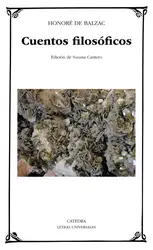
  8. Cuentos filosóficos

    Honoré de Balzac

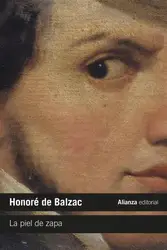
  9. La piel de zapa

    Honoré de Balzac

  10. Esplendores y miserias de las cortesanas

    Honoré de Balzac

  11. 3.6
    #19

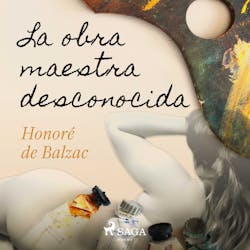
    La obra maestra desconocida

    Honoré de Balzac

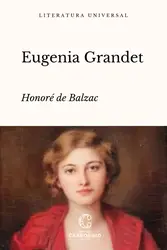
  12. Eugenia Grandet

    Honoré de Balzac