There are always some exceptions found in the nature. For example, there are a group of plants called ‘parasitic plants’ which are unable to perform photosynthesis, a characteristic function of majority members of the plant kingdom. These parasitic plants depend on other living plants for their food and nutritional requirements. Parasitic plants that depend totally on other plants for their food and nutritional requirements are known as total parasites or holoparasites or obligately parasitic plants. Parasitic plants that depend partially on other plants for their food and nutritional requirements are called partial parasites or hemiparasites.
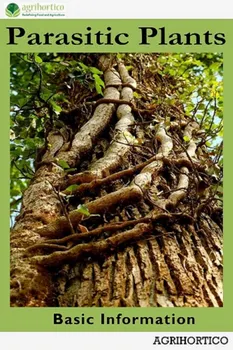
Parasitic Plants : Basic Information
Aloita tämä kirja jo tänään, hintaan 0€
- Kokeilujakson aikana käytössäsi on kaikki sovelluksen kirjat
- Ei sitoumusta, voit perua milloin vain
Kirjailija:
Kieli:
englanti
Muoto:

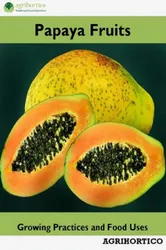
Papaya Fruits : Growing Practices and Food Uses
Agrihortico CPL
book
Pomegranate : Growing Practices and Nutritional Information
Agrihortico CPL
book
Strawberry : Growing Practices and Food Uses
Agrihortico CPL
book
Pumpkins
Agrihortico CPL
book
Spine Gourd : The Teasle Gourd
Agrihortico CPL
book
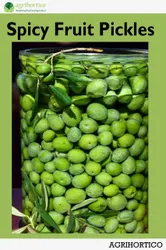
Spicy Fruit Pickles
Agrihortico CPL
book
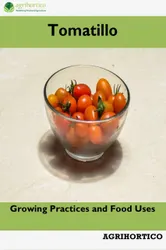
Tomatillo : Growing Practices and Food Uses
Agrihortico CPL
book
Passion Fruit : Growing Practices and Nutritional Information
Agrihortico CPL
book
Potatoes : Growing Practices and Food Uses
Agrihortico CPL
book
Pineapple : Growing Practices and Nutritional Information
Agrihortico CPL
book
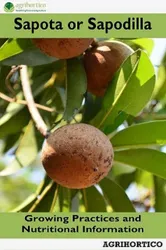
Sapota or Sapodilla : Growing Practices and Nutritional Information
Agrihortico CPL
book