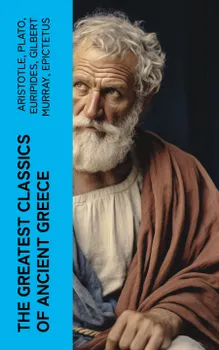







The Greatest Classics of Ancient Greece gathers epic, lyric, dramatic, historical, philosophical, and rhetorical writing into a panoramic account of classical imagination. Its range extends from heroic narrative and choral tragedy to comic satire, pastoral song, moral reflection, political history, and forensic eloquence. Together, these works illuminate the intellectual and aesthetic foundations of Western literature, including the epic cycles, the Athenian stage, and the lyric fragments that still shape ideas of beauty, fate, civic duty, and human desire. The contributors represent the major currents of archaic, classical, and Hellenistic Greek culture: poets of the symposium and battlefield, dramatists of democratic Athens, historians of empire and war, philosophers of ethics and metaphysics, and orators formed by the institutions of the polis. Their voices emerge from distinct regions, genres, and historical crises, yet collectively they trace Greece's enduring inquiry into justice, virtue, power, memory, and the limits of human knowledge. This volume is ideal for readers seeking a concentrated encounter with antiquity's most influential literary achievements. It offers not a single tradition but a conversation among many forms of thought and expression. For students, general readers, and scholars alike, it provides breadth, context, and the pleasure of discovering how ancient works continue to speak across time.
This enriched edition has been carefully crafted to add value to your reading experience.
- An Introduction draws the threads together, discussing why these diverse authors and texts belong in one collection.
- Historical Context explores the cultural and intellectual currents that shaped these works, offering insight into the shared (or contrasting) eras that influenced each writer.
- A combined Synopsis (Selection) briefly outlines the key plots or arguments of the included pieces, helping readers grasp the anthology's overall scope without giving away essential twists.
- A collective Analysis highlights common themes, stylistic variations, and significant crossovers in tone and technique, tying together writers from different backgrounds.
- Reflection questions encourage readers to compare the different voices and perspectives within the collection, fostering a richer understanding of the overarching conversation.