4.0(1)

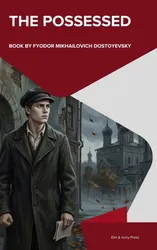
Demons - The Possessed

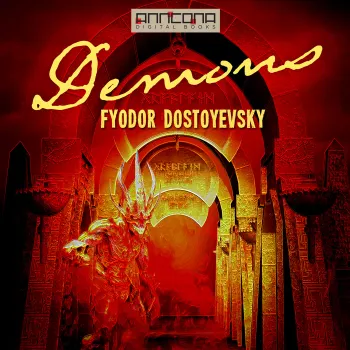
Demons is a novel by the Russian author Fyodor Dostoyevsky. It was first published in 1872. This English translation was published in 1916.

Although titled The Possessed in the initial English translation, Dostoyevsky scholars and later translations favour the titles The Devils or Demons.

An extremely political book, Demons is a testimonial of life in Imperial Russia in the late 19th century. As the revolutionary democrats begin to rise in Russia, different ideologies begin to collide. Dostoyevsky casts a critical eye on both the radical idealists, portraying their ideas and ideological foundation as demonic, and the conservative establishment's ineptitude in dealing with those ideas and their social consequences. This form of intellectual conservativism tied to the Slavophile movement of Dostoyevsky's day, called Pochvennichestvo, is seen to have continued on into its modern manifestation in individuals like Aleksandr Solzhenitsyn.

Dostoyevsky's novels focus on the idea that utopias and positivist ideas, in being utilitarian, were unrealistic and unobtainable. The book has five primary characters representing different ideologies. By exploring their differing philosophies, Dostoyevsky describes the political chaos seen in 19th century Russia.

Fyodor Mikhailovich Dostoyevsky was a Russian novelist, short story writer and essayist. Dostoyevsky's literary works explore human psychology in the context of the troubled political, social and spiritual atmosphere of 19th-century Russia.

Although he began writing in the mid-1840s, his most memorable works—including Crime and Punishment, The Idiot and The Brothers Karamazov—are from his later years. His output consists of eleven novels, three novellas, seventeen short novels and three essays. Many literary critics rate him as one of the greatest and most prominent psychologists in world literature.
À propos de ce livre

Demons is a novel by the Russian author Fyodor Dostoyevsky. It was first published in 1872. This English translation was published in 1916.

Although titled The Possessed in the initial English translation, Dostoyevsky scholars and later translations favour the titles The Devils or Demons.

An extremely political book, Demons is a testimonial of life in Imperial Russia in the late 19th century. As the revolutionary democrats begin to rise in Russia, different ideologies begin to collide. Dostoyevsky casts a critical eye on both the radical idealists, portraying their ideas and ideological foundation as demonic, and the conservative establishment's ineptitude in dealing with those ideas and their social consequences. This form of intellectual conservativism tied to the Slavophile movement of Dostoyevsky's day, called Pochvennichestvo, is seen to have continued on into its modern manifestation in individuals like Aleksandr Solzhenitsyn.

Dostoyevsky's novels focus on the idea that utopias and positivist ideas, in being utilitarian, were unrealistic and unobtainable. The book has five primary characters representing different ideologies. By exploring their differing philosophies, Dostoyevsky describes the political chaos seen in 19th century Russia.

Fyodor Mikhailovich Dostoyevsky was a Russian novelist, short story writer and essayist. Dostoyevsky's literary works explore human psychology in the context of the troubled political, social and spiritual atmosphere of 19th-century Russia.

Although he began writing in the mid-1840s, his most memorable works—including Crime and Punishment, The Idiot and The Brothers Karamazov—are from his later years. His output consists of eleven novels, three novellas, seventeen short novels and three essays. Many literary critics rate him as one of the greatest and most prominent psychologists in world literature.
Commencez ce livre dès aujourd'hui pour 0 €

  • Accédez à tous les livres de l'app pendant la période d'essai
  • Sans engagement, annulez à tout moment
Essayer gratuitement
Plus de 52 000 personnes ont noté Nextory 5 étoiles sur l'App Store et Google Play.

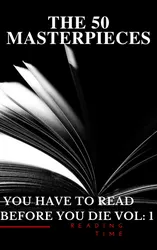
  1. 50 Masterpieces you have to read before you die vol: 1

    Louisa May Alcott, Jane Austen, Joseph Conrad, D. H. Lawrence, George Eliot, Leo Tolstoy, James Joyce, Charles Dickens, Bram Stoker, Oscar Wilde, Honoré de Balzac, Edgar Rice Burroughs, Anne Brontë, Charlotte Brontë, Emily Brontë, Lewis Carroll, Willa Cather, Miguel de Cervantes, E. Cummings, Fyodor Dostoyevsky, Daniel Defoe, Arthur Conan Doyle, Alexandre Dumas, Gustave Flaubert, Henry James, Victor Hugo

  2. Nouveau
    3.0

    50 Masterpieces you have to read before you die vol: 2

    Lewis Carroll, Mark Twain, Jules Verne, Oscar Wilde, Arthur Conan Doyle, Louisa May Alcott, Jane Austen, G.K. Chesterton, Wilkie Collins, Charles Dickens, Fyodor Dostoyevsky, Alexandre Dumas, F. Scott Fitzgerald, E. M. Forster, Thomas Hardy, Hermann Hesse, James Joyce, Jack London, H.P. Lovecraft, Lucy Maud Montgomery, Edgar Allan Poe, Marcel Proust, William Shakespeare, Robert Louis Stevenson, H.G. Wells, Virginia Woolf, Rudyard Kipling, D. H. Lawrence, Thomas Mann, William Somerset Maugham, Herman Melville, George Sand, Mary Shelley, Walter Scott, Leo Tolstoy, Bram Stoker

  3. The Essential Classics: Volume 6 : Boyhood, Childhood, Youth, Demons, Dombey and Son, Shirley, and The Tenant of Wildfell Hall

    Leo Tolstoy, Fyodor Dostoyevsky, Charles Dickens, Charlotte Brontë, Anne Brontë

  4. World's Greatest Short Stories

    Daniel Defoe, Benjamin Franklin, Washington Irving, Mateo Falcone, Charlotte Bronte, Mary Shelley, Nathaniel Hawthorne, Nikolai Gogol, Edgar Allan Poe, Fyodor Dostoyevsky, Charles Dickens, Herman Melville, Mark Twain, Guy De Maupassant, Oscar Wilde, Leo Tolstoy, H.G. Wells, Ambrose Bierce, Stephen Crane, Kate Chopin, Jack London, E. M. Forster

  5. 10 Masterpieces You Have to Read Before You Die, Vol. 3

    Edgar Allan Poe, William Shakespeare, H.P. Lovecraft, Mary W. Shelley, Osamu Dazai, Jack London, Fyodor Dostoyevsky, Nathaniel Hawthorne, Frances Hodgson Burnett, Robert Louis Stevenson

  6. 5.0

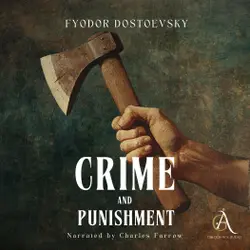
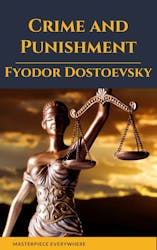
    Crime and Punishment

    Fyodor Dostoyevsky

  7. The Brothers Karamazov

    Fyodor Dostoyevsky

  8. 50 Masterpieces You Must Read Before You Die: Volume 2 : Timeless Classics That Will Enrich Your Mind and Soul

    Louisa May Alcott, Jane Austen, Joseph Conrad, D. H. Lawrence, George Eliot, Leo Tolstoy, James Joyce, Charles Dickens, Bram Stoker, Oscar Wilde, Honoré de Balzac, Edgar Rice Burroughs, Anne Brontë, Charlotte Brontë, Emily Brontë, Lewis Carroll, Willa Cather, Miguel de Cervantes, E. E. Cummings, Fyodor Dostoyevsky, Daniel Defoe, Arthur Conan Doyle, Alexandre Dumas, Gustave Flaubert, Henry James, Victor Hugo, The griffin classics

  9. Demons

    Fyodor Dostoyevsky

  10. 50 Masterpieces you have to read

    Louisa May Alcott, Jane Austen, Joseph Conrad, D. H. Lawrence, George Eliot, Leo Tolstoy, James Joyce, Charles Dickens, Bram Stoker, Oscar Wilde, Honoré de Balzac, Edgar Rice Burroughs, Anne Brontë, Charlotte Brontë, Emily Brontë, Lewis Carroll, Willa Cather, Miguel de Cervantes, E. Cummings, Fyodor Dostoyevsky, Daniel Defoe, Arthur Conan Doyle, Alexandre Dumas, Gustave Flaubert, Henry James, Victor Hugo

  11. Devils

    Fyodor Dostoyevsky