À propos de ce livre

Sinclair Lewis's 'Main Street' emerges as a quintessential exploration of small-town America in the early 20th century, encapsulating the contradictions and constraints of provincial life through the eyes of its protagonist, Carol Kennicott. Lewis employs a keenly satirical and sometimes melancholic literary style, blending vivid descriptions with incisive dialogue to critique the cultural stagnation that plagues Gopher Prairie, a fictional Midwestern town. The novel is noteworthy for its candid portrayal of gender roles, societal expectations, and the yearning for intellectual and artistic fulfillment, placing it firmly within the context of American Modernism and its dissection of traditional values. Sinclair Lewis, the first American to win the Nobel Prize in Literature, drew inspiration from his own Midwestern roots and complex relationships with small-town life. Born in Minnesota, Lewis was acutely aware of the struggles and limitations present within such communities, which lent authenticity to his portrayal of Carol's quest against conformity and mediocrity. His critical views on American society were further influenced by his extensive travels and experiences, fueling the themes of social critique found throughout 'Main Street.' 'With its witty and incisive examination of small-town life, 'Main Street' remains an enduring classic that resonates with anyone who has grappled with the tension between individual aspirations and societal expectations. Scholars, students, and general readers alike will find in Lewis's work a profound commentary on the human condition, making it an essential addition to the canon of American literature.'

In this enriched edition, we have carefully created added value for your reading experience:

- A succinct Introduction situates the work's timeless appeal and themes.

- The Synopsis outlines the central plot, highlighting key developments without spoiling critical twists.

- A detailed Historical Context immerses you in the era's events and influences that shaped the writing.

- An Author Biography reveals milestones in the author's life, illuminating the personal insights behind the text.

- A thorough Analysis dissects symbols, motifs, and character arcs to unearth underlying meanings.

- Reflection questions prompt you to engage personally with the work's messages, connecting them to modern life.

- Hand‐picked Memorable Quotes shine a spotlight on moments of literary brilliance.

- Interactive footnotes clarify unusual references, historical allusions, and archaic phrases for an effortless, more informed read.

Commencez ce livre dès aujourd'hui pour 0 €

  • Accédez à tous les livres de l'app pendant la période d'essai
  • Sans engagement, annulez à tout moment
Essayer gratuitement
Plus de 52 000 personnes ont noté Nextory 5 étoiles sur l'App Store et Google Play.

Plus de Sinclair Lewis

  1. 50 Chefs-D'œuvre Que Vous Devez Lire Avant De Mourir : Vol 1 (Golden Deer Classics)

    Mark Twain, Stendhal, Edgar Allan Poe, Victor Hugo, Gustave Flaubert, Alexandre Dumas, Arthur Conan Doyle, René Descartes, Lewis Carroll, Charles Baudelaire, Guillaume Apollinaire, Golden Deer, Alain-Fournier, Jules Amédée d'Aurevilly, Paul Bourget, Charlotte Brontë, Emily Brontë, Pierre Corneille, Nikolai Gogol, Gustave Leroux, Marquis De Sade, Jack London, Sinclair Lewis, Daniel Lesueur, Marcel Proust, Edmond Rostand, Jean-Jacques Rousseau, Mary Shelley, Bram Stoker, Sun Tzu, Rodolphe Töpffer, Vatsyayana, Jules Verne, Voltaire, H.G. Wells, Oscar Wilde, Emile Zola

  2. Prix Nobel
    4.0

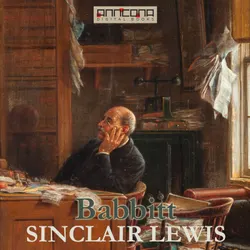
    Babbit

    Sinclair Lewis

  3. Nouveau

    50 Masterpieces you have to read before you die vol: 2

    Joseph Sheridan Fanu, Madame de Fayette, Jerome K Jerome, James Joyce, Charles Kingsley, Rudyard Kipling, Pierre Choderlos Laclos, D. H. Lawrence, Matthew Gregory Lewis, Sinclair Lewis, Jack London, H.P. Lovecraft, Thomas Mann, W. Somerset Maugham, Guy De Maupassant, Herman Melville, Edgar Allan Poe, Marcel Proust, Ann Radcliffe, Samuel Richardson, George Sand, Walter Scott, Mary Shelley, Henryk Sienkiewicz, May Sinclair, Upton Sinclair, Stendhal, Laurence Sterne, Robert Louis Stevenson, Bram Stoker, Harriet Beecher Stowe, Jonathan Swift, Rabindranath Tagore, William Makepeace Thackeray, Leo Tolstoy, Anthony Troloppe, Ivan Turgenev, Mark Twain, Jules Verne, Lew Wallace, H.G. Wells, Rebecca West, Edith Wharton, Oscar Wilde, Cao Xueqin, Émile Zola

  4. 50 Masterpieces You Have to Read : Volume Two - A Second Library of World Literature

    Joseph Sheridan Fanu, Madame de Fayette, Jerome K Jerome, James Joyce, Charles Kingsley, Rudyard Kipling, Pierre Choderlos Laclos, D. H. Lawrence, Matthew Gregory Lewis, Sinclair Lewis, Jack London, H.P. Lovecraft, Thomas Mann, W. Somerset Maugham, Guy De Maupassant, Herman Melville, Edgar Allan Poe, Marcel Proust, Ann Radcliffe, Samuel Richardson, George Sand, Walter Scott, Mary Shelley, Henryk Sienkiewicz, May Sinclair, Upton Sinclair, Stendhal, Laurence Sterne, Robert Louis Stevenson, Bram Stoker, Harriet Beecher Stowe, Jonathan Swift, Rabindranath Tagore, William Makepeace Thackeray, Leo Tolstoy, Anthony Trollope, Ivan Turgenev, Mark Twain, Jules Verne, Lew Wallace, H.G. Wells, Rebecca West, Edith Wharton, Oscar Wilde, Cao Xueqin, Émile Zola

  5. Prix Nobel

    Babbitt

    Sinclair Lewis

  6. Prix Nobel

    Babbitt

    Sinclair Lewis

  7. Babbitt

    Sinclair Lewis, Sheba Blake

  8. Prix Nobel
    3.0

    Babbitt

    Sinclair Lewis

  9. Prix Nobel
    2.0

    Babbitt

    Sinclair Lewis

  10. Prix Nobel

    Babbitt

    Sinclair Lewis

  11. Ann Vickers: Roman

    Sinclair Lewis

  12. Das kann hier nicht geschehen: Dystopischer Roman

    Sinclair Lewis