À propos de ce livre

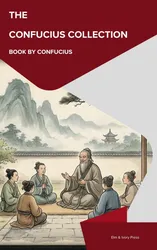
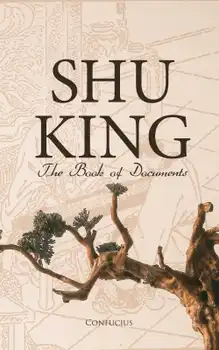
The Shu King, or Book of Documents, is one of the foundational classics of ancient Chinese civilization, gathering speeches, proclamations, counsels, and political narratives attributed to sage-kings and early dynastic rulers. Its style is austere, ceremonial, and morally charged, fusing archival record with exemplary rhetoric. Set within the classical canon, it presents government as an ethical vocation rooted in ritual order, historical memory, and the Mandate of Heaven. Traditionally associated with Confucius, who is said to have edited and transmitted ancient texts rather than authored them in the modern sense, the work reflects the concerns central to his thought: proper rule, filial responsibility, reverence for antiquity, and moral cultivation. Living amid the political fragmentation of the late Zhou world, Confucius looked to earlier ages for models of humane authority and principled governance. This book is recommended to readers seeking the intellectual foundations of Confucian political philosophy and early Chinese historiography. Though demanding in tone and form, it rewards patient reading with a profound vision of leadership, legitimacy, and moral responsibility that shaped East Asian thought for millennia.

This enriched edition has been carefully crafted to add value to your reading experience.

- A succinct Introduction situates the work's timeless appeal and themes.

- The Synopsis outlines the central plot, highlighting key developments without spoiling critical twists.

- A detailed Historical Context immerses you in the era's events and influences that shaped the writing.

- An Author Biography reveals milestones in the author's life, illuminating the personal insights behind the text.

- A thorough Analysis dissects symbols, motifs, and character arcs to unearth underlying meanings.

- Reflection questions prompt you to engage personally with the work's messages, connecting them to modern life.

- Hand‐picked Memorable Quotes shine a spotlight on moments of literary brilliance.

- Interactive footnotes clarify unusual references, historical allusions, and archaic phrases for an effortless, more informed read.

Commencez ce livre dès aujourd'hui pour 0 €

  • Accédez à tous les livres de l'app pendant la période d'essai
  • Sans engagement, annulez à tout moment
Essayer gratuitement
Plus de 52 000 personnes ont noté Nextory 5 étoiles sur l'App Store et Google Play.

Livres similaires

Plus de Confucius

  1. Développez votre culture générale en 500 citations

    Winston Churchill, Confucius, Albert Einstein, William Shakespeare, Sun Tzu

  2. 4.3

    Comprendre Confucius

    Confucius

  3. Développez votre culture générale en 1000 citations

    Napoléon Bonaparte, Winston Churchill, Confucius, Albert Einstein, Friedrich Nietzsche, Platon, William Shakespeare, Lao Tseu, Sun Tzu

  4. 3500 citations ultimes

    Marc Aurèle, Jane Austen, Beaumarchais, Napoléon Bonaparte, Bouddha, Winston Churchill, Cicéron, Confucius, Nicolas de Chamfort, Charles de Gaulle, Antoine de Saint-Exupéry, Léonard de Vinci, Denis Diderot, Fiodor Dostoïevski, Albert Einstein, Ralph Waldo Emerson, Anne Frank, Mahatma Gandhi, Emmanuel Kant, Søren Kierkegaard, Martin Luther King, Georg Christoph Lichtenberg, Abraham Lincoln, Montesquieu, Friedrich Nietzsche, Platon, Marcel Proust, Arthur Schopenhauer, William Shakespeare, – Socrate, Baruch Spinoza, Henry David Thoreau, Lao Tseu, Voltaire, Oscar Wilde

  5. Les Entretiens de Confucius

    Confucius

  6. 1800 Citations de philosophes

    Aristote, Épicure, Platon, Thalès de Milet, – Socrate, Protagoras, Anaximandre, Épictète, Héraclite, Marc Aurèle, René Descartes, Michel de Montaigne, Alexis de Tocqueville, Voltaire, Charles De Montesquieu, Jean-Jacques Rousseau, Emmanuel Kant, Hannah Arendt, Gottfried Wilhelm Leibniz, Georg Wilhelm Friedrich Hegel, Friedrich Nietzsche, Arthur Schopenhauer, David Hume, John Locke, Francis Bacon, Thomas Hobbes, Thomas More, Confucius, Érasme, Lao Tseu, Baruch Spinoza, Søren Kierkegaard, Nicolas Machiavel, Thomas d'Aquin, Henry David Thoreau

  7. 4.0

    Les trois sagesses chinoises : Confucius, Lao Tseu, Bouddha

    Bouddha, Confucius, Lao Tseu

  8. 400 citations de philosophes essentiels

    Confucius, Érasme, Lao Tseu, Baruch Spinoza, Søren Kierkegaard, Nicolas Machiavel, Thomas d'Aquin, Henry David Thoreau

  9. 50 citations de Confucius

    Confucius

  10. Les Maximes de Confucius

    Confucius

  11. 4.0

    Develop your General Culture in 500 Quotes

    Winston Churchill, Confucius, Albert Einstein, William Shakespeare, Sun Tzu

  12. 600 citations mystiques et spirituelles

    Bouddha, Confucius, Dalaï Lama, Mahatma Gandhi, Martin Luther King, Mère Teresa