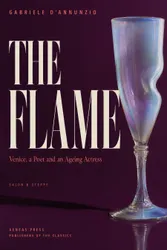
The Flame (Il fuoco, 1900) is D'Annunzio's sumptuous Venetian novel of artistic vocation, erotic domination, and cultural ambition. Centered on the visionary poet Stelio Effrena and the aging actress Foscarina, it transforms a love affair into a meditation on creation, sacrifice, and the dream of a renewed Latin art. Written in a highly wrought, sensuous prose, the book belongs to European Decadence and Aestheticism, while also absorbing Wagnerian ideas of total art and the symbolic charge of Venice as both splendor and decline. Gabriele D'Annunzio, poet, novelist, dramatist, and later nationalist public figure, was among the most flamboyant Italian writers of the fin de siècle. His cult of beauty, aristocratic self-fashioning, and fascination with exceptional personalities deeply inform the novel. The relationship between Stelio and Foscarina is widely read in light of D'Annunzio's liaison with the great actress Eleonora Duse, whose art and emotional intensity helped shape his theatrical imagination. This book is recommended to readers interested in decadent literature, modern Italian prose, and fiction about the cost of artistic greatness. It is not a modest novel, but its excesses are inseparable from its power.
This enriched edition has been carefully crafted to add value to your reading experience.
- A succinct Introduction situates the work's timeless appeal and themes.
- The Synopsis outlines the central plot, highlighting key developments without spoiling critical twists.
- A detailed Historical Context immerses you in the era's events and influences that shaped the writing.
- An Author Biography reveals milestones in the author's life, illuminating the personal insights behind the text.
- A thorough Analysis dissects symbols, motifs, and character arcs to unearth underlying meanings.
- Reflection questions prompt you to engage personally with the work's messages, connecting them to modern life.
- Hand‐picked Memorable Quotes shine a spotlight on moments of literary brilliance.
- Interactive footnotes clarify unusual references, historical allusions, and archaic phrases for an effortless, more informed read.