À propos de ce livre

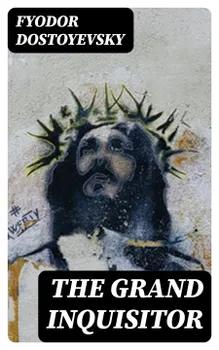
In 'The Grand Inquisitor,' Fyodor Dostoyevsky presents a profound philosophical dialogue that encapsulates the tension between free will and authority within the context of 16th-century Spain, specifically during the Spanish Inquisition. Through the character of the Inquisitor, Dostoyevsky interrogates the nature of faith, suffering, and the human condition, employing a rich, allegorical style that blends narrative, poetic language, and existential inquiry. This novella, a segment from his larger work 'The Brothers Karamazov,' reflects the growing intellectual debates of the 19th century concerning morality, religion, and the search for meaning in an increasingly secular world. Dostoyevsky, a titan of Russian literature and a keen observer of the human psyche, faced immense personal struggles, including poverty and political exile, which deeply informed his worldview and literary output. His experiences with oppression and the quest for spiritual redemption are intricately woven into the fabric of this work, making it not only a critique of authority but also a plea for the recognition of individual conscience in the face of tyranny. 'The Grand Inquisitor' is essential reading for anyone seeking to understand the philosophical undercurrents of modern thought and the moral dilemmas that challenge humanity. Its timeless exploration of freedom and the human spirit's resilience will resonate with readers long after the final page is turned.

In this enriched edition, we have carefully created added value for your reading experience:

- A succinct Introduction situates the work's timeless appeal and themes.

- The Synopsis outlines the central plot, highlighting key developments without spoiling critical twists.

- A detailed Historical Context immerses you in the era's events and influences that shaped the writing.

- An Author Biography reveals milestones in the author's life, illuminating the personal insights behind the text.

- A thorough Analysis dissects symbols, motifs, and character arcs to unearth underlying meanings.

- Reflection questions prompt you to engage personally with the work's messages, connecting them to modern life.

- Hand‐picked Memorable Quotes shine a spotlight on moments of literary brilliance.

- Interactive footnotes clarify unusual references, historical allusions, and archaic phrases for an effortless, more informed read.

Commencez ce livre dès aujourd'hui pour 0 €

  • Accédez à tous les livres de l'app pendant la période d'essai
  • Sans engagement, annulez à tout moment
Essayer gratuitement
Plus de 52 000 personnes ont noté Nextory 5 étoiles sur l'App Store et Google Play.

  1. Nouveau

    50 Masterpieces you have to read before you die vol: 1

    Louisa May Alcott, Jane Austen, Joseph Conrad, D. H. Lawrence, George Eliot, Leo Tolstoy, James Joyce, Charles Dickens, Bram Stoker, Oscar Wilde, Honoré de Balzac, Edgar Rice Burroughs, Anne Brontë, Charlotte Brontë, Emily Brontë, Lewis Carroll, Willa Cather, Miguel de Cervantes, E. E. Cummings, Fyodor Dostoyevsky, Daniel Defoe, Arthur Conan Doyle, Alexandre Dumas, Gustave Flaubert, Henry James, Victor Hugo

  2. Crime and Punishment - Audiobook

    Fyodor Dostoyevsky, Classic Audiobooks

  3. 3.0

    50 Masterpieces you have to read before you die vol: 2

    Lewis Carroll, Mark Twain, Jules Verne, Oscar Wilde, Arthur Conan Doyle, Louisa May Alcott, Jane Austen, G.K. Chesterton, Wilkie Collins, Charles Dickens, Fyodor Dostoyevsky, Alexandre Dumas, F. Scott Fitzgerald, E. M. Forster, Thomas Hardy, Hermann Hesse, James Joyce, Jack London, H.P. Lovecraft, Lucy Maud Montgomery, Edgar Allan Poe, Marcel Proust, William Shakespeare, Robert Louis Stevenson, H.G. Wells, Virginia Woolf, Rudyard Kipling, D. H. Lawrence, Thomas Mann, William Somerset Maugham, Herman Melville, George Sand, Mary Shelley, Walter Scott, Leo Tolstoy, Bram Stoker

  4. World's Greatest Short Stories

    Daniel Defoe, Benjamin Franklin, Washington Irving, Mateo Falcone, Charlotte Bronte, Mary Shelley, Nathaniel Hawthorne, Nikolai Gogol, Edgar Allan Poe, Fyodor Dostoyevsky, Charles Dickens, Herman Melville, Mark Twain, Guy De Maupassant, Oscar Wilde, Leo Tolstoy, H.G. Wells, Ambrose Bierce, Stephen Crane, Kate Chopin, Jack London, E. M. Forster

  5. 5.0

    Crime and Punishment

    Fyodor Dostoyevsky

  6. Existentialism. Philosophical and Literary Works : Notes from Underground, Fear and Trembling, Ecce Homo, The Metamorphosis and others

    Fyodor Dostoyevsky, Soren Kierkegaard, Friedrich Nietzsche, Rainer Maria Rilke, Franz Kafka

  7. 50 Masterpieces you have to read

    Louisa May Alcott, Jane Austen, Joseph Conrad, D. H. Lawrence, George Eliot, Leo Tolstoy, James Joyce, Charles Dickens, Bram Stoker, Oscar Wilde, Honoré de Balzac, Edgar Rice Burroughs, Anne Brontë, Charlotte Brontë, Emily Brontë, Lewis Carroll, Willa Cather, Miguel de Cervantes, E. Cummings, Fyodor Dostoyevsky, Daniel Defoe, Arthur Conan Doyle, Alexandre Dumas, Gustave Flaubert, Henry James, Victor Hugo

  8. Crime and Punishment by Fyodor Dostoevsky

    Fyodor Dostoyevsky, Constance Garnett

  9. 50 Masterpieces you have to read before you die Vol: 1 [newly updated] (Golden Deer Classics)

    Joseph Conrad, D. H. Lawrence, George Eliot, Leo Tolstoy, James Joyce, Charles Dickens, Jane Austen, Bram Stoker, Oscar Wilde, Golden Deer, Dante Alighieri, Honoré de Balzac, Charlotte Brontë, Anne Brontë, Emily Brontë, Samuel Butler, Miguel de Cervantes, Daniel Defoe, Fyodor Dostoyevsky, Arthur Conan Doyle, Alexandre Dumas, Gustave Flaubert, Charlotte Perkins Gilman, Nikolai Gogol, The Brothers Grimm, Homer, Victor Hugo, Washington Irving, Henry James, Gaston Leroux, Jack London, Arthur Machen, Herman Melville, Marcel Proust, Mary Shelley, Stendhal, Robert Louis Stevenson, Sun Tzu, Jonathan Swift, William Makepeace Thackeray, Mark Twain

  10. 3.4

    The Idiot

    Fyodor Dostoyevsky

  11. 4.5

    Crime and Punishment

    Fyodor Dostoyevsky

  12. 3.4

    The Idiot

    Fyodor Dostoyevsky