3.3(4)

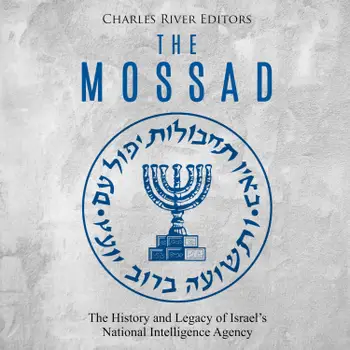
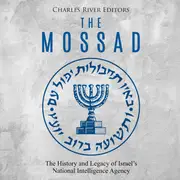
The Mossad: The History and Legacy of Israel’s National Intelligence Agency

"Where no counsel is, the people fall, but in the multitude of counselors there is safety." - Proverbs XI:14

The conflict between the Israelis and Palestinians is technically 69 years old and counting but has its roots in over 2,000 years of history. With so much time and history, the Middle East peace process has become laden with unique, politically sensitive concepts like the right of return, contiguous borders, secure borders, demilitarized zones, and security requirements, with players like the Quartet, Palestinian Authority, Fatah, Hamas, the Arab League and Israel. Over time, it has become exceedingly difficult for even sophisticated political pundits and followers to keep track of it all.

Thanks to the existential crises Israel faced in the first decades of its existence, it was virtually necessary to possess superior intelligence organizations, so it should come as no surprise that the Mossad is one of the most famed agencies in history. In Hebrew, Mossad means “the Institute,” but the name is short for Mossad Merkazi le-Modiin ule-Tafkidim Meyuhadim, which means, “Central Institute for Intelligence and Special Operations.” Comprised of 10 separate departments, the Mossad as it exists today was formed via a directive during the leadership of Prime Minister Ben Gurion, and it stated, "For our state which since its creation has been under siege by its enemies. Intelligence constitutes the first line of defense...we must learn well how to recognize what is going on around us."

Since then, the Mossad has been recognized by some as the greatest intelligence service in the world and one of the most ruthless and opaque by others. Since its inception in 1949, the Mossad has been credited with incredible rescues, violent assassinations, and the clever sabotage of enemy operations. Whether nefarious or essential, both critics and supporters of Mossad recognize that its estimated 1,200 employees have the unique ability to adapt to uncertain and hostile circumstances, accomplish large-scale objectives with limited resources, and persevere when seemingly hopelessly outnumbered.

The Mossad: The History and Legacy of Israel’s National Intelligence Agency looks at the agency’s organizational characteristics, historical inception, Cold War growth, and its recent influence.

À propos de ce livre

"Where no counsel is, the people fall, but in the multitude of counselors there is safety." - Proverbs XI:14

The conflict between the Israelis and Palestinians is technically 69 years old and counting but has its roots in over 2,000 years of history. With so much time and history, the Middle East peace process has become laden with unique, politically sensitive concepts like the right of return, contiguous borders, secure borders, demilitarized zones, and security requirements, with players like the Quartet, Palestinian Authority, Fatah, Hamas, the Arab League and Israel. Over time, it has become exceedingly difficult for even sophisticated political pundits and followers to keep track of it all.

Thanks to the existential crises Israel faced in the first decades of its existence, it was virtually necessary to possess superior intelligence organizations, so it should come as no surprise that the Mossad is one of the most famed agencies in history. In Hebrew, Mossad means “the Institute,” but the name is short for Mossad Merkazi le-Modiin ule-Tafkidim Meyuhadim, which means, “Central Institute for Intelligence and Special Operations.” Comprised of 10 separate departments, the Mossad as it exists today was formed via a directive during the leadership of Prime Minister Ben Gurion, and it stated, "For our state which since its creation has been under siege by its enemies. Intelligence constitutes the first line of defense...we must learn well how to recognize what is going on around us."

Since then, the Mossad has been recognized by some as the greatest intelligence service in the world and one of the most ruthless and opaque by others. Since its inception in 1949, the Mossad has been credited with incredible rescues, violent assassinations, and the clever sabotage of enemy operations. Whether nefarious or essential, both critics and supporters of Mossad recognize that its estimated 1,200 employees have the unique ability to adapt to uncertain and hostile circumstances, accomplish large-scale objectives with limited resources, and persevere when seemingly hopelessly outnumbered.

The Mossad: The History and Legacy of Israel’s National Intelligence Agency looks at the agency’s organizational characteristics, historical inception, Cold War growth, and its recent influence.

Commencez ce livre dès aujourd'hui pour 0 €

  • Accédez à tous les livres de l'app pendant la période d'essai
  • Sans engagement, annulez à tout moment
Essayer gratuitement
Plus de 52 000 personnes ont noté Nextory 5 étoiles sur l'App Store et Google Play.

  1. Persepolis and Susa: The History of the Achaemenid Persian Empire’s Capitals

    Charles River Editors

  2. The Ottoman Empire’s Most Important Battles: The History and Legacy of the Ottomans’ Biggest Victories and Defeats

    Charles River Editors

  3. Manichaeism: The History and Legacy of the Ancient Persian Religion

    Charles River Editors

  4. Persia and Islam: The History of the Islamic Empires that have Ruled Persia Since the Middle Ages

    Charles River Editors

  5. The Executions of British and French Royalty: The Lives of the Royals Who Were Put to Death in England and France

    Charles River Editors

  6. France in World War II: The History of Nazi Germany’s Conquest of France and Its Liberation By the Allies

    Charles River Editors

  7. The 20th Century’s Most Influential Artists: The Lives and Art of Pablo Picasso, Salvador Dali, Andy Warhol, and Jackson Pollock

    Charles River Editors

  8. Douglas Bader: The Life and Legacy of One of the Royal Air Force’s Most Famous Fighter Aces

    Charles River Editors

  9. 3.5

    Sigmund Freud and Carl Jung: The Pioneering Lives and Works of History’s Most Influential Psychologists

    Charles River Editors

  10. La Guerra Civil española: La historia y el legado del controversial conflicto que estableció la dictadura de Francisco Franco en España

    Charles River Editors

  11. The World’s Most Famous Physicists: The Lives and Legacies of the Scientists Who Pioneered Physics

    Charles River Editors

  12. The Ottoman Empire’s Greatest Victories: The History and Legacy of the Most Important Battles Won by the Ottomans

    Charles River Editors