Over dit boek

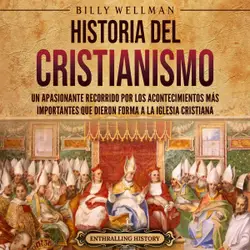
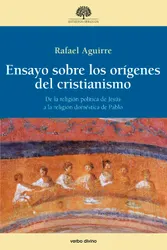
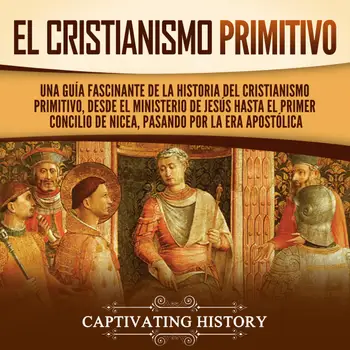
¿Cuál fue el punto de partida del cristianismo? ¿Fue en un pueblecito de Belén, como afirman las letras de nuestras canciones navideñas favoritas?

¿Comenzó el cristianismo inmediatamente después del Sermón de la montaña? ¿Después de la crucifixión? ¿Después de la resurrección? ¿O llevó algo más de tiempo? ¿Hubo una fusión más amplia de conceptos e ideas?

En realidad, en los primeros tiempos del cristianismo, cuando Pedro y Pablo salieron por primera vez a predicar el Evangelio, el sistema de creencias de los primeros cristianos se consideraba simplemente una nueva secta del judaísmo. El apelativo de «cristiano» era un término desarrollado por antagonistas externos, que los llamados cristianos llevaban con orgullo. El cristianismo tardó en separarse completamente de su religión madre, el judaísmo.

Alrededor del año 50 d. C. se celebró un concilio en Jerusalén para que los primeros líderes de la Iglesia decidieran cuáles serían los fundamentos de la nueva fe, por ejemplo, qué normas y reglamentos del Antiguo Testamento debían permanecer para los nuevos creyentes. Desde su formación como identidad propia, el cristianismo comenzó a extenderse por todo el mundo conocido. Los primeros cristianos se reunían en iglesias clandestinas y, a veces, incluso en cementerios para evitar la persecución.

Sin embargo, su secretismo a menudo desataba los rumores más descabellados. Se llegó incluso a confundir la comunión con un acto de canibalismo. Esto dio lugar al surgimiento de los apologistas cristianos, encargados de explicar los elementos más fundamentales al público laico.

¡Haga clic en el botón «añadir a la cesta» para empezar a aprender más sobre el cristianismo en sus inicios!
Begin vandaag nog met dit boek voor € 0

  • Krijg volledige toegang tot alle boeken in de app tijdens de proefperiode
  • Geen verplichtingen, op elk moment annuleren
Probeer nu gratis
Meer dan 52.000 mensen hebben Nextory 5 sterren gegeven in de App store en op Google Play.

Vergelijkbare boeken

  1. Aboriginal History : A Captivating Guide to the History of Indigenous Australians Called the Aborigines and Their Impact on Australia

    Captivating History

  2. The Scramble for Africa: A Captivating Guide to European Expansion, Colonial Conflicts, the Berlin Conference, and Its Impact on Modern Times

    Captivating History

  3. 3.7

    Mao Zedong : A Captivating Guide to the Life of a Chairman of the Communist Party of China, the Cultural Revolution and the Political Theory of Maoism

    Captivating History

  4. Aaron Burr : A Captivating Guide to the Life of Aaron Burr and the Most Famous Duel in American History

    Captivating History

  5. History of Malaysia: A Captivating Guide to Ancient Kingdoms, Colonial Melaka, Modernization, and the Post-Independence Years

    Captivating History

  6. Scramble for Africa: A Captivating Guide to Imperial Rivalries, Heroic Battles, and the Unfolding Legacy of the Continent, Including the Zulu War

    Captivating History

  7. The Plantagenets: A Captivating Guide to the Rise and Fall of the House of Plantagenet

    Captivating History

  8. 3.0

    El Renacimiento : Una Guía Fascinante de un Período Notable en la Historia Europea, que Incluye Historias de Personas como Galileo Galilei, Miguel Ángel, Copérnico, Shakespeare y Leonardo da Vinci

    Captivating History

  9. Erik the Red : A Captivating Guide to the Viking Who Founded the First Norse Settlement in Greenland

    Captivating History

  10. Operation Fortitude : A Captivating Guide to the Deception Plan that Ensured the Success of D-Day

    Captivating History

  11. The Soviet Partisans and Espionage in Eastern Europe : A Captivating Guide to the Resistance Fighters and Spies Who Undermined Nazi Occupation

    Captivating History

  12. The Irish War of Independence : A Captivating Guide to Ireland's Struggle for Freedom from British Rule (1919–1921)

    Captivating History