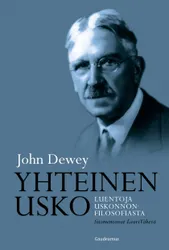
The problem with morality, according to Pragmatist John Dewey, is that it assumes an inherent lacking in human nature and then seeks, through constraining rules, punishment, and threat, to make humans act differentlyact against their nature. This, he claims, is a battle doomed to fail. In Human Nature and Conduct, first published in 1922, Dewey brings the rigor of natural sciences to the quest for a better moral system. By studying habit, impulse, and intelligence, he arrives at a morality that is firmly rooted the context of the world, accounting for thinking humans with individual circumstances that do, indeed, make a difference when determining right and wrong. Students of sociology, philosophy, and psychology will be interested to see moral judgment investigated as a scientific question by one of America's most influential philosophers. American educator and philosopher JOHN DEWEY (18591952) helped found the American Association of University Professors. He served as professor of philosophy at Columbia University from 1904 to 1930 and authored numerous books, including The School and Society (1899), Experience and Nature (1925), Experience and Education (1938), and Freedom and Culture (1939).