The Birth of Anarchism : 1849-1887

Mankind can rule itself without the force of top-down authority, and freedom is more than just choosing how to meet the needs and demands of capital. Inequality is structural and intentional, not inevitable and necessary.

It does not have to be this way. In solidarity, we are better.

Think for yourself, and question authority.

This is the essence of anarchism, which has a bad name and reputation because it attacks the necessity of centralised power and authority. The media archetype is Tyler Durden, filled with violence and nihilism – yet anarchism is the most positive of political philosophies, one that Jesus and Buddha both preached, stating that empathy and a rejection of authority were key to human flourishing. Neither would disagree with most early anarchists.

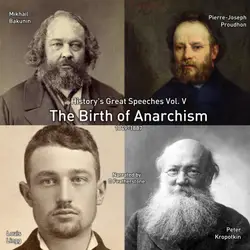
Proudhon, whose “property is robbery” is perhaps the most well-known anarchist slogan, lays out the conceptual foundation for key anarchist ideas. He argues that usury (charging interest) is a fundamental harm to society, that there is enough for everyone if we simply take other values to be higher than capital gain, that mutualism is inevitable, and that all governments and ideologies make the same mistake, in trying to change society from the top. Positive change must arise from the great masses of humanity, not from their rulers.

Bakunin's speeches are about solidarity arising from the masses, and the ground for a global reconfiguration.

Louis Lingg was convicted to death with six others, for being one of the ‘Chicago Anarchists’. They were executed to make a political point, based on corrupted evidence and perjury. His statement is one of contempt for the powers that be, and his belief that mankind should be free and should fight until it is.

We end with Kropotkin, who firmly believed in decentralized society. He believed that the greatest strength of mankind lies in the masses, not their rulers, and exhorts us to “Act for Yourselves”.
Begin vandaag nog met dit boek voor € 0

  • Krijg volledige toegang tot alle boeken in de app tijdens de proefperiode
  • Geen verplichtingen, op elk moment annuleren
Probeer nu gratis
Meer dan 52.000 mensen hebben Nextory 5 sterren gegeven in de App store en op Google Play.

  1. History's Great Speeches: The Definitive Collection : 40 hours of historical highlights from Pericles to Mao covering 54 orators, and 153 speeches

    Julius Caesar, Marcus Tullius Cicero, Demosthenes, Pericles, William Pitt, William Lloyd Garrison, William Morris, Abraham Lincoln, Albert Apponyi, Alexander the Great, A.M. Sullivan, Annie Besant, Caius Marius, Caius Memmius, Catiline, Cato The Younger, Charles Phillips, Joseph, Daniel O'Connell, Dinarchus, EDMUND BURKE, Eduard Bernstein, Edward Carpenter, Elizabeth I, Emilio Castelar, Eugene Debs, Frederick Douglass, Mohandas Gandhi, George Graham Vest, Girolamo Savonarola, Giuseppe Garibaldi, Huldrych Zwingli, John Calvin, Gaetano, Louis Kossuth, Louis Lingg, Mao Tsetung, Mark Anthony, Mark Twain, Martin Luther, Maximillian Robespierre, Mikhail Bakunin, Muhammad, Napoleon Bonaparte, Otto von Bismarck, Peter Kropotkin, Phillip Melanchthon, Pico della Mirandola, Pierre Joseph Proudhon, Pope Urban, Red Jacket, Robert Emmet, Susan B. Anthony, Swami Vivekananda

  2. Anarchism. The Classic Collection (10 books). Illustrated : What Is Property?, God and the State, The Conquest of Bread, No Treason, State Socialism and Anarchism and others

    Pierre Joseph Proudhon, Michael Bakunin, Peter Kropotkin, Emma Goldman, Lysander Spooner, Benjamin R. Tucker

  3. La guerre et la paix - Recherches sur le principe et la constitution du droit des gens

    Pierre Joseph Proudhon

  4. What Is Property? : An Inquiry into the Principle of Right and of Government

    Pierre Joseph Proudhon

  5. Gratuité du crédit : Correspondance de Frédéric Bastiat avec Pierre-Joseph Proudhon

    Frédéric Bastiat, Pierre Joseph Proudhon

  6. 5.0
    #17

    3 Libros para Conocer El Anarquismo

    Emma Goldman, Mijaíl Bakunin, Pierre Joseph Proudhon, August Nemo

  7. Escritos Federalistas

    Pierre Joseph Proudhon

  8. Idée générale de la révolution au XIXe siècle : Choix d'études sur la pratique révolutionnaire et industrielle

    Pierre Joseph Proudhon, Ligaran

  9. Les Confessions d'un révolutionnaire : Pour servir à l'histoire de la révolution de février

    Pierre Joseph Proudhon, Ligaran

  10. La pornocracia o la mujer en nuestros tiempos

    Pierre Joseph Proudhon

  11. De la capacidad política de las clases jornaleras

    Pierre Joseph Proudhon

  1. #1

    The Graeco-Roman Era :

    Pericles, Julius Caesar, Cicero, Alexander the Great

  2. #2

    The Era of Faith : 632-1667CE

    Pope Urban, Pico della Mirandola, Elizabeth I, John Milton, Muhammad

  3. #3

    The Era of Revolution : 1775-1796

    George Washington, Maximilien de Robespierre, EDMUND BURKE, Patrick Henry, William Wilberforce, John Curran

  4. #4

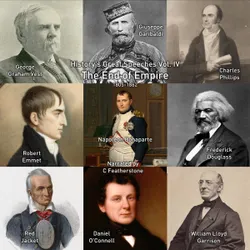
    The End of Empire : 1805-1862

    George Graham Vest, Giuseppe Garibaldi, Charles Phillips, Robert Emmet, Napoleon Bonaparte, Frederick Douglass, Red Jacket, Daniel O'Connell, William Lloyd Garrison

  5. #6

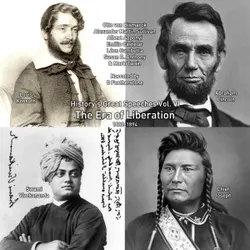
    The Era of Liberation : 1862-1894

    Louis Kossuth, Abraham Lincoln, Swami Vivekananda, Joseph, Emilio Castelar, Mark Twain, A.M. Sullivan, Otto von Bismarck, Albert Apponyi, Leon Gambetta, Susan B. Anthony

  6. #7

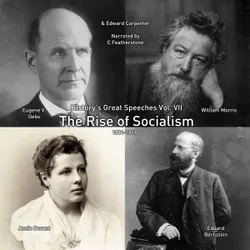
    The Rise of Socialism : 1884-1918

    William Morris, Annie Besant, Eduard Bernstein, Edward Carpenter, Eugene Debs

  7. #9

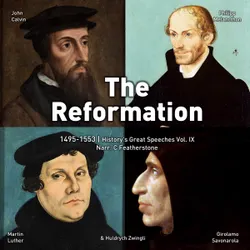
    The Reformation, 1495-1553 : The Thinkers That Changed Christianity

    Martin Luther, Phillip Melanchthon, John Calvin, Girolamo Savonarola, Huldrych Zwingli

  8. #10

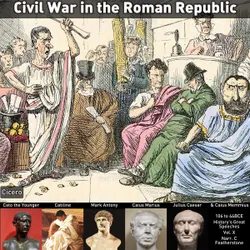
    Civil War in the Roman Republic : A time of great civil, military and political strife that mirrors our own | 106 to 44BCE

    Cicero, Cato The Younger, Mark Anthony, Caius Marius, Julius Caesar, Caius Memmius, Catiline

  9. #11

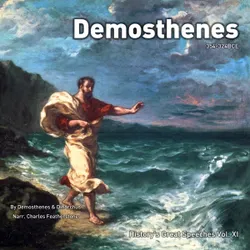
    Demosthenes, 354-324BCE : History's Greatest Orator

    Demosthenes, Dinarchus

  10. #12

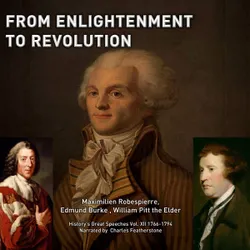
    From Enlightenment To Revolution : Pitt, Burke & Robespierre, 1766-1794

    Maximillian Robespierre, EDMUND BURKE, William Pitt

  11. History's Great Speeches: The Definitive Collection : 40 hours of historical highlights from Pericles to Mao covering 54 orators, and 153 speeches

    Julius Caesar, Marcus Tullius Cicero, Demosthenes, Pericles, William Pitt, William Lloyd Garrison, William Morris, Abraham Lincoln, Albert Apponyi, Alexander the Great, A.M. Sullivan, Annie Besant, Caius Marius, Caius Memmius, Catiline, Cato The Younger, Charles Phillips, Joseph, Daniel O'Connell, Dinarchus, EDMUND BURKE, Eduard Bernstein, Edward Carpenter, Elizabeth I, Emilio Castelar, Eugene Debs, Frederick Douglass, Mohandas Gandhi, George Graham Vest, Girolamo Savonarola, Giuseppe Garibaldi, Huldrych Zwingli, John Calvin, Gaetano, Louis Kossuth, Louis Lingg, Mao Tsetung, Mark Anthony, Mark Twain, Martin Luther, Maximillian Robespierre, Mikhail Bakunin, Muhammad, Napoleon Bonaparte, Otto von Bismarck, Peter Kropotkin, Phillip Melanchthon, Pico della Mirandola, Pierre Joseph Proudhon, Pope Urban, Red Jacket, Robert Emmet, Susan B. Anthony, Swami Vivekananda