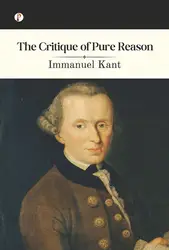
Immanuel Kant's second critique, The Critique of Practical Reason, was published in 1788. It is a continuation of Kant's first critique, the Critique of Pure Reason, and is concerned with his moral philosophy. This key treatise in the history of moral philosophy elaborates Kant's basic ideas, provides the most extensive articulation of his extremely innovative theory of free will, and develops his practical metaphysics. Kant maintains that freedom can be known since moral law reveals it. God and immortality are also knowable, but practical reason now necessitates confidence in these rational postulates.