Om denne boken

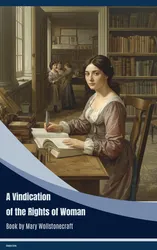
A Vindication of the Rights of Woman (1792) is a foundational work of feminist political philosophy, written in the charged intellectual atmosphere of the Enlightenment and the French Revolution. Combining polemic, moral argument, and rationalist prose, Wollstonecraft challenges the educational and social systems that render women ornamental rather than intellectually independent. Her style is urgent, lucid, and uncompromising, engaging thinkers such as Rousseau while redirecting the language of natural rights toward women's civic and moral equality. Mary Wollstonecraft was an English writer, philosopher, and reformist whose life sharpened her critique of gendered dependence. Having worked as a governess, educator, translator, and professional author, she understood both the practical limitations imposed on women and the ideological justifications used to sustain them. Her earlier radical response to Edmund Burke, A Vindication of the Rights of Men, helped prepare the political vocabulary she would adapt here to argue that women are not naturally inferior, but systematically denied education and opportunity. This classic is essential reading for anyone interested in feminism, political theory, education, or eighteenth-century literature. It remains powerful not merely as a historical document, but as a rigorous demand that justice include the full development of women's reason, dignity, and agency.

This enriched edition has been carefully crafted to add value to your reading experience.

- A succinct Introduction situates the work's timeless appeal and themes.

- The Synopsis outlines the central plot, highlighting key developments without spoiling critical twists.

- A detailed Historical Context immerses you in the era's events and influences that shaped the writing.

- An Author Biography reveals milestones in the author's life, illuminating the personal insights behind the text.

- A thorough Analysis dissects symbols, motifs, and character arcs to unearth underlying meanings.

- Reflection questions prompt you to engage personally with the work's messages, connecting them to modern life.

- Hand‐picked Memorable Quotes shine a spotlight on moments of literary brilliance.

- Interactive footnotes clarify unusual references, historical allusions, and archaic phrases for an effortless, more informed read.

Kom i gang med denne boken i dag for 0 kr

  • Få full tilgang til alle bøkene i appen i prøveperioden
  • Ingen forpliktelser, si opp når du vil
Prøv gratis nå
Mer enn 52 000 personer har gitt Nextory 5 stjerner på App Store og Google Play.

  1. 2.0

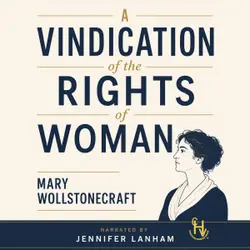
    A Vindication of the Rights of Woman

    Mary Wollstonecraft

  2. Frankenstein

    Mary Wollstonecraft

  3. 3.0

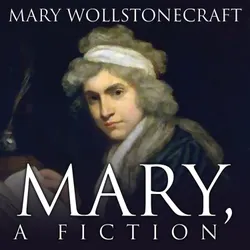
    Mary, A Fiction

    Mary Wollstonecraft

  4. 50 Feminist Masterpieces you have to read before you die (Golden Deer Classics)

    Louisa May Alcott, Jane Austen, Anne Brontë, Kate Chopin, Charlotte Perkins Gilman, Emma Goldman, Virginia Woolf, Clara Zetkin, Mary Wollstonecraft, Edith Wharton, Mark Twain, Dora B. Montefiore, Henry James, Golden Deer Classics

  5. Ny

    Una doble vindicación : Textos seleccionados

    Mary Wollstonecraft

  6. 4.0

    Mary (Nórdica Clásicos)

    Mary Wollstonecraft

  7. Maria : Or, The Wrongs of Woman

    Mary Wollstonecraft

  8. 2.7

    A Vindication of the Rights of Woman

    Mary Wollstonecraft

  9. A Vindication of the Rights of Woman : The 1792 Argument That Women Deserve an Education, Not Just Admiration

    Mary Wollstonecraft

  10. 2.7

    A Vindication of the Rights of Woman

    Mary Wollstonecraft

  11. 100 Obras Maestras Que Debes Leer Antes De Morir

    Francis Scott Fitzgerald, Mary Shelley, Lyman Frank Baum, Edith Nesbit, Dante Alighieri, Jane Austen, Ambrose Bierce, Emily Brontë, Edgar Rice Burroughs, Lewis Carroll, Wilkie Collins, René Descartes, Charles Dickens, Emily Dickinson, Alexandre Dumas, Gustave Flaubert, Benito Pérez Galdós, Johann Wolfgang von Goethe, Thomas Hardy, E T A Hoffmann, Washington Irving, Henry James, James Joyce, Franz Kafka, Gaston Leroux, Federico García Lorca, H.P. Lovecraft, Publio Virgilio Marón, Lucy Maud Montgomery, John William Polidori, Marco Polo, Antoine de Saint-Exupéry, Emilio Salgari, Walter Scott, Mark Twain, Jules Verne, H.G. Wells, Edith Wharton, Mary Wollstonecraft, Fernando de Rojas

  12. 100 Clásicos de la Literatura Universal

    Francis Scott Fitzgerald, Mary Shelley, Lyman Frank Baum, Louisa May Alcott, Dante Alighieri, Jane Austen, Ambrose Bierce, Emily Brontë, Edgar Rice Burroughs, Lewis Carroll, Wilkie Collins, René Descartes, Charles Dickens, Emily Dickinson, Alexandre Dumas, Gustave Flaubert, Benito Pérez Galdós, Johann Wolfgang von Goethe, Thomas Hardy, E T A Hoffmann, Washington Irving, Henry James, James Joyce, Franz Kafka, Gaston Leroux, Federico García Lorca, H.P. Lovecraft, Publio Virgilio Marón, Lucy Maud Montgomery, John William Polidori, Marco Polo, Antoine de Saint-Exupéry, Emilio Salgari, Walter Scott, Mark Twain, Jules Verne, Julio Verne, H.G. Wells, Edith Wharton, Mary Wollstonecraft, Stefan Zweig, Sun Tzu, Bram Stoker, - Aristoteles, George Bernard Shaw, Henryk Sienkiewicz, Concepción Arenal, Charlotte Brontë, Miguel de Cervantes, G.K. Chesterton, Daniel Defoe, Fyodor Mikhailovich Dostoyevsky, Arthur Conan Doyle, Sigmund Freud, H. Rider Haggard, Homero, Immanuel Kant, Rudyard Kipling, Molière, Friedrich Nietzsche, Fernando de Rojas, Sófocles, William Makepeace Thackeray, León Tolstói, Voltaire, Ramón María del Valle-Inclán, Oscar Wilde, Virginia Woolf