The *Mahanirvana Tantra*, or *Tantra of Great Liberation*, is a major Sanskrit scripture of the Shakta Tantric tradition, presented chiefly as a dialogue between Shiva and Parvati. It describes the worship of the Goddess, initiation, mantra, meditation, ritual offerings, sacred diagrams, yogic disciplines, and the goal of liberation, while also addressing ethical conduct, household life, social obligations, marriage, and funerary practice. Its capacious literary form combines theological exposition, liturgical instruction, mythic framing, and juridical prose, revealing how Tantric thought could encompass both esoteric practice and the organization of everyday religious life. The text is especially significant for its engagement with Kaula ideas and for the ways its modern editions and translations shaped Western understandings of Tantra. The author is anonymous, as is common with many Indian scriptural works whose authority rests less on individual authorship than on revealed or transmitted status. Traditionally voiced through the deity Shiva, the text participates in a long development of Shakta and Shaiva traditions that sought to integrate worldly existence with spiritual emancipation. Its expansive treatment of ritual and social practice suggests a community concerned with making Tantric religion accessible within domestic and public life. This volume is recommended to readers of Hindu theology, religious studies, Sanskrit literature, and comparative mysticism. It rewards careful reading as both a practical religious manual and a complex historical document, while inviting critical attention to questions of transmission, interpretation, and the modern construction of "Tantra."
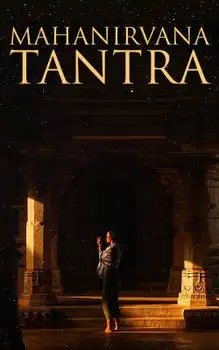
Mahanirvana Tantra : A Sanskrit Tantric Scripture of Divine Mother Worship, Mantra Practice, Ritual Law, and Embodied Liberation
Skrevet av Anonymous