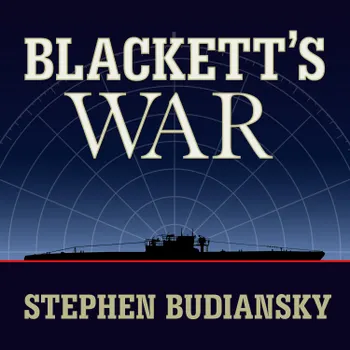
In March 1941, after a year of unbroken and devastating U-boat onslaughts, the British War Cabinet decided to try a new strategy in the foundering naval campaign. To do so, they hired an intensely private, bohemian physicist who was also an ardent socialist. Patrick Blackett was a former navy officer and future winner of the Nobel Prize; he is little remembered today, but he and his fellow scientists did as much to win the war against Nazi Germany as almost anyone else. As director of the World War II antisubmarine effort, Blackett used little more than simple mathematics and probability theory—and a steadfast belief in the utility of science—to save the campaign against the U-boat. Employing these insights in unconventional ways, from the washing of mess hall dishes to the color of bomber wings, the Allies went on to win essential victories against Hitler's Germany.
Here is the story of these civilian intellectuals who helped to change the nature of twentieth-century warfare. Throughout, Stephen Budiansky describes how scientists became intimately involved with what had once been the distinct province of military commanders—convincing disbelieving military brass to trust the solutions suggested by their analysis. Budiansky shows that these men above all retained the belief that operational research and a scientific mentality could change the world. It's a belief that has come to fruition with the spread of their tenets to the business and military worlds, and it started in the Battle of the Atlantic, in an attempt to outfight the Germans, but most of all to outwit them.











Johan
2021-10-12
Mycket intressant, men man måste igenom en stor del av boken innan den verkligen lyfter
För att skriva en recension måste du ladda ner appen