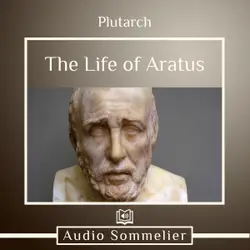
In "Parallel Lives," Plutarch presents a profound exploration of moral character through biographical sketches of prominent Greek and Roman figures. This seminal work juxtaposes the lives of notable individuals, such as Alexander the Great and Julius Caesar, examining their virtues and vices in a narrative that intertwines biography with philosophy. Plutarch's literary style is a rich tapestry of anecdotal evidence and moral reflection, written in a way that appeals to both the intellect and the imagination. Contextually, the text emerges from a time of cultural exchange in the Greco-Roman world, highlighting the shared moral philosophies of these two civilizations while also emphasizing their distinct political legacies. Plutarch, a Greek biographer, philosopher, and historian from the first century AD, was deeply influenced by the philosophical ideals of his time, particularly Stoicism and Platonic thought. His extensive work and travel across the Roman Empire, along with his engagement with various intellectual traditions, informed his approach in "Parallel Lives." By seeking to illustrate the ethical dimensions of leadership and individual conduct, Plutarch invited readers to draw parallels between their lives and those of historical figures, aiming to cultivate moral virtues. Readers enthralled by the intersections of history, philosophy, and ethics will find "Parallel Lives" both enlightening and resonant. It serves not only as a historical account but also as a reflective guide for personal growth. Plutarch's insights continue to be relevant, making this work a timeless treasure for anyone seeking to understand the complexities of human behavior through the lens of historical figures.
In this enriched edition, we have carefully created added value for your reading experience:
- A comprehensive Introduction outlines these selected works' unifying features, themes, or stylistic evolutions.
- The Author Biography highlights personal milestones and literary influences that shape the entire body of writing.
- A Historical Context section situates the works in their broader era—social currents, cultural trends, and key events that underpin their creation.
- A concise Synopsis (Selection) offers an accessible overview of the included texts, helping readers navigate plotlines and main ideas without revealing critical twists.
- A unified Analysis examines recurring motifs and stylistic hallmarks across the collection, tying the stories together while spotlighting the different work's strengths.
- Reflection questions inspire deeper contemplation of the author's overarching message, inviting readers to draw connections among different texts and relate them to modern contexts.
- Lastly, our hand‐picked Memorable Quotes distill pivotal lines and turning points, serving as touchstones for the collection's central themes.