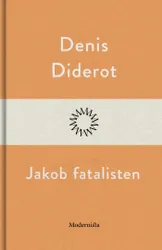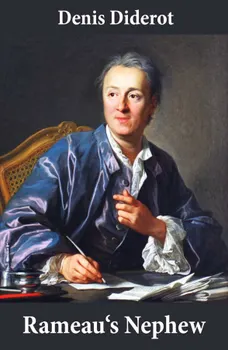
Rameau's Nephew is one of Denis Diderot's most brilliant and unsettling dialogues, a philosophical satire staged as a conversation between the sober "Moi" and the dazzlingly amoral "Lui," nephew of the composer Jean-Philippe Rameau. At once comic, theatrical, and intellectually corrosive, the work probes genius, hypocrisy, patronage, art, music, and moral relativism in the salons and cafés of eighteenth-century Paris. Ian C. Johnston's new translation helps restore the dialogue's quickness, irony, and dramatic bite for contemporary readers. Diderot, a central figure of the French Enlightenment and chief editor of the Encyclopédie, spent his career testing the limits of reason, social convention, and literary form. His fascination with actors, materialism, music, and the contradictions of civilized society all converge here. Written in the 1760s but published posthumously, the book reflects an author acutely aware of both the emancipatory power and the moral ambiguities of Enlightenment thought. This edition is highly recommended for readers of philosophy, literary satire, and intellectual history. Brief but inexhaustible, Rameau's Nephew rewards slow reading and rereading, offering a portrait of modern self-consciousness that remains disturbingly fresh.
This enriched edition has been carefully crafted to add value to your reading experience.
- A succinct Introduction situates the work's timeless appeal and themes.
- The Synopsis outlines the central plot, highlighting key developments without spoiling critical twists.
- A detailed Historical Context immerses you in the era's events and influences that shaped the writing.
- An Author Biography reveals milestones in the author's life, illuminating the personal insights behind the text.
- A thorough Analysis dissects symbols, motifs, and character arcs to unearth underlying meanings.
- Reflection questions prompt you to engage personally with the work's messages, connecting them to modern life.
- Hand‐picked Memorable Quotes shine a spotlight on moments of literary brilliance.
- Interactive footnotes clarify unusual references, historical allusions, and archaic phrases for an effortless, more informed read.