The 1918 Influenza Pandemic moved worldwide in three waves, infecting up to 500 million people and causing over 40 million deaths. Several things tended to be present in areas that ended the pandemic with lower mortality rates than average. These include low rates of poverty, widespread access to healthcare, well-funded and general public health measures, and well-managed record keeping. Areas that ended the pandemic with high mortality rates tended to lack the above – they had high rates of poverty, limited access to healthcare, public health measures were unfunded or ineffective, and recordkeeping and communication were unreliable or unclear. It is essential to learn from the success and mistakes of nations passed so that we as a planet are better prepared for any pandemics that should arise in the future. Preparing involves high vaccination rates, fighting drug-resistant pathogens, and working to lower global poverty.
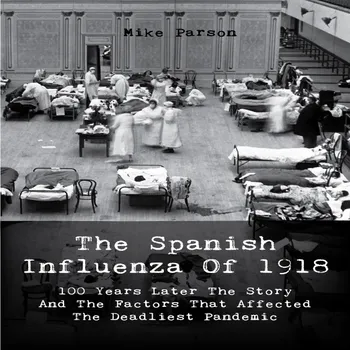

The Spanish Influenza Of 1918 : 100 Years Later The Story And The Factors That Affected The Deadliest Pandemic
Skriven av Mike Parson