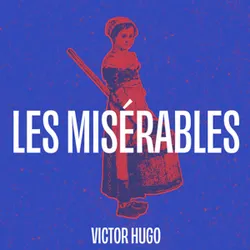
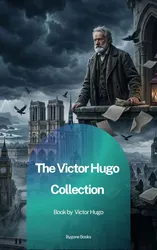
Bringing together Ninety-Three and Les Misérables, this illustrated edition presents Victor Hugo's grandest meditations on revolution, justice, mercy, and historical destiny. Les Misérables transforms the social novel into a vast moral epic, moving from the underworld of poverty to the barricades of 1832, while Ninety-Three revisits the French Revolution's Reign of Terror with tragic intensity. Hugo's style—rhetorical, lyrical, digressive, and profoundly theatrical—belongs to the high Romantic tradition, yet it anticipates modern social realism in its attention to institutions, class, and conscience. Victor Hugo (1802–1885), poet, dramatist, novelist, and statesman, wrote from within the upheavals of nineteenth-century France. His exile under Napoleon III sharpened his republican convictions and deepened his sympathy for the dispossessed. The moral architecture of these novels reflects his lifelong struggle to reconcile revolutionary ideals with human compassion, and political necessity with spiritual redemption. This volume is recommended for readers seeking not merely historical fiction, but literature that enlarges history into ethical inquiry. The illustrations enhance Hugo's visual imagination, making this edition especially rewarding for students, collectors, and anyone drawn to monumental narratives of suffering, resistance, and grace.
This enriched edition has been carefully crafted to add value to your reading experience.
- A comprehensive Introduction outlines these selected works' unifying features, themes, or stylistic evolutions.
- The Author Biography highlights personal milestones and literary influences that shape the entire body of writing.
- A Historical Context section situates the works in their broader era—social currents, cultural trends, and key events that underpin their creation.
- A concise Synopsis (Selection) offers an accessible overview of the included texts, helping readers navigate plotlines and main ideas without revealing critical twists.
- A unified Analysis examines recurring motifs and stylistic hallmarks across the collection, tying the stories together while spotlighting the different work's strengths.
- Reflection questions inspire deeper contemplation of the author's overarching message, inviting readers to draw connections among different texts and relate them to modern contexts.
- Lastly, our hand‐picked Memorable Quotes distill pivotal lines and turning points, serving as touchstones for the collection's central themes.