4.3(3)

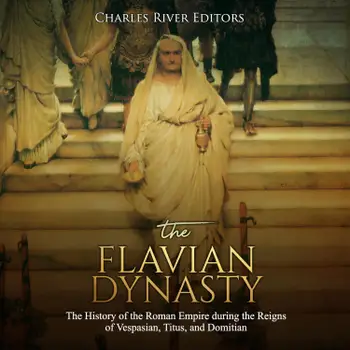
The Flavian Dynasty: The History of the Roman Empire during the Reigns of Vespasian, Titus, and Domitian

The 12 months known in history as the Year of the Four Emperors was a pivotal chapter in the long epoch of the Roman Empire. It marked the tumultuous end of the Julio-Claudian Dynasty and the advent of a year of civil war, renewal and realignment, the result of which was the establishment of a new era and the founding of a new (and arguably more rational and responsible) imperial dynasty.

The controversial year began with the decline of the Julio-Claudian dynasty under the rule of Emperor Nero, the last ruler of a dynasty founded by Julius Caesar, who was perhaps the most famous Roman emperor that never was. The Julio-Claudian succession included such names as Augustus, Tiberius, Caligula, Claudius, and of course Nero, names that resonate with great power throughout the chronicles of Roman history, in many cases thanks to the violence, madness, misrule and decadence that seemed to take root at the center of imperial Rome at the dawn of the common era.

Having left no heir, Nero’s death plunged the empire into confusion and chaos, bringing to an end the Julio-Claudian lineage while at the same time offering no clear rule of succession. This presented the opportunity for influential individuals in the empire, and in particular provincial governors who also commanded large military garrisons, to express and further their own ambitions to power. The result was a period of instability and civil war as several pretenders to the throne, among them the emperors Galba, Otho and Vitellius, gained and lost power, until finally the emperor Vespasian seized and retained the imperial principate. Vespasian imposed order and discipline on a chaotic empire and founded the Flavian Dynasty, which survived until 96, encompassing the reigns of Vespasian and his two sons, Titus (79–81) and Domitian (81–96).

Begin vandaag nog met dit boek voor € 0

  • Krijg volledige toegang tot alle boeken in de app tijdens de proefperiode
  • Geen verplichtingen, op elk moment annuleren
Probeer nu gratis
Meer dan 52.000 mensen hebben Nextory 5 sterren gegeven in de App store en op Google Play.

  1. The Most Controversial Cases of the Early 20th Century: The Murder of Stanford White, Sacco & Vanzetti, Leopold & Loeb, and the Lindbergh Baby Kidnapping

    Charles River Editors

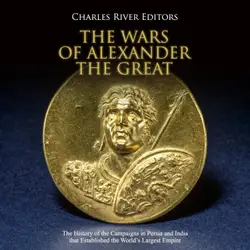
  2. The Wars of Alexander the Great: The History of the Campaigns in Persia and India that Established the World’s Largest Empire

    Charles River Editors

  3. 3.7

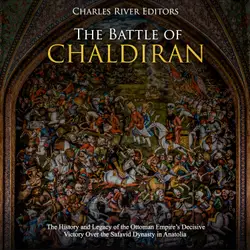
    The Battle of Chaldiran: The History and Legacy of the Ottoman Empire’s Decisive Victory Over the Safavid Dynasty in Anatolia

    Charles River Editors

  4. 3.6

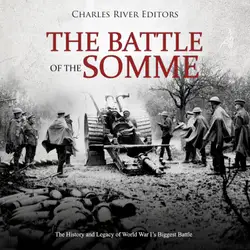
    The Battle of the Somme: The History and Legacy of World War I’s Biggest Battle

    Charles River Editors

  5. 3.0

    The Yakuza and the Triads: The History of Asia’s Most Notorious Transnational Criminal Organizations

    Charles River Editors

  6. 3.5

    The Shining Path: The History of Peru’s Revolutionary Communist Party and the Ongoing Civil War

    Charles River Editors

  7. Zimbabwe under the British Empire: The History of Great Britain’s Colonization and Decolonization Before the Country’s Independence

    Charles River Editors

  8. Edith Stein: The Life and Legacy of the Jewish Philosopher Who Became a Catholic Saint

    Charles River Editors

  9. 5.0

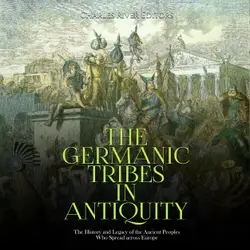
    The Germanic Tribes in Antiquity: The History and Legacy of the Ancient Peoples Who Spread across Europe

    Charles River Editors

  10. Weird Television: A Collection of Interrupted Broadcasts, Paranormal Apparitions, and Other Mysteries on TV

    Charles River Editors

  11. Nostradamus and Baba Vanga: The Controversial Lives and Prophecies of the Modern Era’s Most Famous Seers

    Charles River Editors

  12. U-Boats in the Atlantic: The History of Germany’s Submarines during World War I and World War II

    Charles River Editors