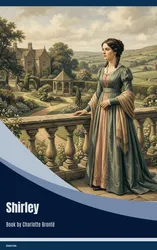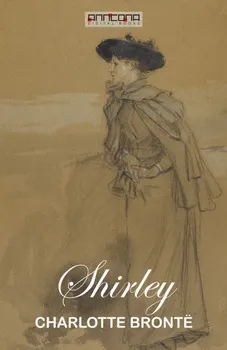
Shirley

Shirley is an 1849 social novel by the English novelist Charlotte Brontë. It was Brontë's second published novel after Jane Eyre (originally published under Brontë's pseudonym Currer Bell).

The novel is set in Yorkshire in the period 1811–12, during the industrial depression resulting from the Napoleonic Wars and the War of 1812. The novel is set against a backdrop of the Luddite uprisings in the Yorkshire textile industry.

Shirley deals with themes of industrial unrest and the role of women in society. Unlike Jane Eyre, which is written from the main character's first-person perspective, Shirley is written in the third person and lacks the emotional immediacy of her first novel, and reviewers found it less shocking.

The novel's popularity led to Shirley's becoming a woman's name. The title character was given the name that her father had intended to give a son. Before the publication of the novel, Shirley was an uncommon - but distinctly male - name and would have been an unusual name for a woman. Today it is regarded as a distinctly female name and an uncommon male name.

While Brontë was writing Shirley, three of her siblings died. Her brother Branwell died in September 1848, and her sister Emily fell ill and died in December. Brontë resumed writing, but then her only remaining sibling, her sister Anne, became ill and died in May 1849.

Charlotte Brontë (1816-1855) was an English novelist and poet, the eldest of the three Brontë sisters who survived into adulthood, and whose novels have become classics of English literature.

Charlotte wrote her first novel, The Professor, which did not appear until after her death (it was first published in 1857), and began Jane Eyre, which, appearing in 1847, took the public by storm. It was followed by Shirley in 1849, and Villette in 1853.

The novels of Charlotte created a strong impression from start, their strength and originality have retained for them a high place in English fiction which is likely to prove permanent.

Charlotte became pregnant soon after her marriage in 1854 but her health declined rapidly. Charlotte died with her unborn child on 31 March 1855, aged 38.

Over dit boek

Shirley is an 1849 social novel by the English novelist Charlotte Brontë. It was Brontë's second published novel after Jane Eyre (originally published under Brontë's pseudonym Currer Bell).

The novel is set in Yorkshire in the period 1811–12, during the industrial depression resulting from the Napoleonic Wars and the War of 1812. The novel is set against a backdrop of the Luddite uprisings in the Yorkshire textile industry.

Shirley deals with themes of industrial unrest and the role of women in society. Unlike Jane Eyre, which is written from the main character's first-person perspective, Shirley is written in the third person and lacks the emotional immediacy of her first novel, and reviewers found it less shocking.

The novel's popularity led to Shirley's becoming a woman's name. The title character was given the name that her father had intended to give a son. Before the publication of the novel, Shirley was an uncommon - but distinctly male - name and would have been an unusual name for a woman. Today it is regarded as a distinctly female name and an uncommon male name.

While Brontë was writing Shirley, three of her siblings died. Her brother Branwell died in September 1848, and her sister Emily fell ill and died in December. Brontë resumed writing, but then her only remaining sibling, her sister Anne, became ill and died in May 1849.

Charlotte Brontë (1816-1855) was an English novelist and poet, the eldest of the three Brontë sisters who survived into adulthood, and whose novels have become classics of English literature.

Charlotte wrote her first novel, The Professor, which did not appear until after her death (it was first published in 1857), and began Jane Eyre, which, appearing in 1847, took the public by storm. It was followed by Shirley in 1849, and Villette in 1853.

The novels of Charlotte created a strong impression from start, their strength and originality have retained for them a high place in English fiction which is likely to prove permanent.

Charlotte became pregnant soon after her marriage in 1854 but her health declined rapidly. Charlotte died with her unborn child on 31 March 1855, aged 38.
Begin vandaag nog met dit boek voor € 0

  • Krijg volledige toegang tot alle boeken in de app tijdens de proefperiode
  • Geen verplichtingen, op elk moment annuleren
Probeer nu gratis
Meer dan 52.000 mensen hebben Nextory 5 sterren gegeven in de App store en op Google Play.

  1. 4.0

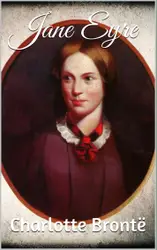
    Jane Eyre

    Charlotte Brontë

  2. 5.0
    #66

    Jane Eyre : een autobiografie

    Charlotte Brontë

  3. 3.0

    50 Masterpieces you have to read before you die vol: 1 (2020 Edition) : Included: Little Women, The Richest Man in Babylon Emma, The Call Of The Wild ....

    Louisa May Alcott, Dante Alighieri, Marcus Aurelius, Jane Austen, L. Frank Baum, Charlotte Brontë, Emily Brontë, Anne Brontë, Miguel de Cervantes, Agatha Christie, George S. Clason, Arthur Conan Doyle, Joseph Conrad, Charles Dickens, Fyodor Dostoyevsky, Alexandre Dumas, George Eliot, G.K. Chesterton, G.K. Chesterton, Zane Grey, Nathaniel Hawthorne, Napoleon Hill, Homer, Victor Hugo, Frances Hodgson Burnett, Washington Irving, Henry James, Franz Kafka, Rudyard Kipling, Jack London, Leo Tolstoy, H.P. Lovecraft, Lucy Maud Montgomery, Joseph Murphy, Robert Louis Stevenson, Edgar Allan Poe, Marcel Proust, Publius, Mary Shelley, Bram Stoker, Mark Twain, Sun Tzu, Lew Wallace, Wallace D. Wattles, H.G. Wells

  4. 4.1

    Villette

    Charlotte Brontë

  5. 3.0

    Jane Eyre - Audiobook

    Charlotte Brontë, Classic Audiobooks

  6. 50 Masterpieces you have to read before you die vol: 2

    Louisa, Jane Austen, Joseph Conrad, D. H. Lawrence, George Eliot, Leo Tolstoy, James Joyce, Charles Dickens, Bram Stoker, Oscar Wilde, Honoré de Balzac, Edgar Rice Burroughs, Anne Brontë, Charlotte Brontë, Emily Brontë, Lewis Carroll, Willa Cather, Miguel de Cervantes, E. E. Cummings, Fyodor Dostoyevsky, Daniel Defoe, Arthur Conan Doyle, Alexandre Dumas, Gustave Flaubert, Henry James, Victor Hugo, Bookish

  7. 5.0

    50 Masterpieces you have to read before you die vol: 2 : Timeless Classics to Enrich Your Mind and Soul

    Louisa, Jane Austen, Joseph Conrad, D. H. Lawrence, George Eliot, Leo Tolstoy, James Joyce, Charles Dickens, Bram Stoker, Oscar Wilde, Honoré de Balzac, Edgar Rice Burroughs, Anne Brontë, Charlotte Brontë, Emily Brontë, Lewis Carroll, Willa Cather, Miguel de Cervantes, E. E. Cummings, Fyodor Dostoyevsky, Daniel Defoe, Arthur Conan Doyle, Alexandre Dumas, Gustave Flaubert, Henry James, Victor Hugo, HB Classics

  8. 50 Masterpieces You Must Read Before You Die: Volume 2 : Timeless Classics That Will Enrich Your Mind and Soul

    Louisa May Alcott, Jane Austen, Joseph Conrad, D. H. Lawrence, George Eliot, Leo Tolstoy, James Joyce, Charles Dickens, Bram Stoker, Oscar Wilde, Honoré de Balzac, Edgar Rice Burroughs, Anne Brontë, Charlotte Brontë, Emily Brontë, Lewis Carroll, Willa Cather, Miguel de Cervantes, E. E. Cummings, Fyodor Dostoyevsky, Daniel Defoe, Arthur Conan Doyle, Alexandre Dumas, Gustave Flaubert, Henry James, Victor Hugo, The griffin classics

  9. 5.0

    50 Masterpieces You Must Read Before You Die: Volume 2 : Unleash Your Inner Bookworm

    Louisa May Alcott, Jane Austen, Joseph Conrad, D. H. Lawrence, George Eliot, Leo Tolstoy, James Joyce, Charles Dickens, Bram Stoker, Oscar Wilde, Honoré de Balzac, Edgar Rice Burroughs, Anne Brontë, Charlotte Brontë, Emily Brontë, Lewis Carroll, Willa Cather, Miguel de Cervantes, E. E. Cummings, Fyodor Dostoyevsky, Daniel Defoe, Arthur Conan Doyle, Alexandre Dumas, Gustave Flaubert, Henry James, Victor Hugo, Pocket Classic

  10. The Book of Gothic Tales : Enriched edition. Dark Fantasy Novels, Supernatural Mysteries, Horror Tales & Gothic Romances

    Charles Dickens, Oscar Wilde, Robert Louis Stevenson, Edgar Allan Poe, William Hope Hodgson, Joseph Sheridan Fanu, Anna Katharine Green, George MacDonald, Bram Stoker, Charlotte Brontë, Emily Brontë, William Godwin, Henry James, Victor Hugo, Théophile Gautier, Arthur Conan Doyle, Jane Austen, John Meade Falkner, Guy De Maupassant, George Eliot, Robert Hugh Benson, Horace Walpole, Frederick Marryat, Thomas love Peacock, Washington Irving, Nathaniel Hawthorne, Gaston Leroux, Grant Allen, Arthur Machen, Wilkie Collins, Thomas Peckett Prest, James Malcolm Rymer, Charles Brockden Brown, James Hogg, Charlotte Perkins Gilman, Richard Marsh, Charles Robert Maturin, John William Polidori, H.G. Wells, W. W. Jacobs, William Thomas Beckford, Nikolai Gogol, Mary Shelley, Ann Radcliffe, Matthew Gregory Lewis, Eliza Parsons

  11. Beware The Silence : Ultimate Collection of Horror Classics, Macabre Tales & Supernatural Mysteries

    Wilhelm Hauff, Charles Dickens, Mark Twain, Harriet Beecher Stowe, Adelbert von Chamisso, Oscar Wilde, Robert Louis Stevenson, Edgar Allan Poe, William Hope Hodgson, Joseph Sheridan Fanu, John Buchan, Louis Tracy, Bram Stoker, Anatole France, Charlotte Brontë, Emily Brontë, Jack London, Henry James, Théophile Gautier, Arthur Conan Doyle, Richard Le Gallienne, Jane Austen, Ralph Adams Cram, Thomas De Quincey, John Meade Falkner, Guy De Maupassant, Thomas Hardy, William Archer, Daniel Defoe, John Kendrick Bangs, Cleveland Moffett, Brander Matthews, Marie Belloc Lowndes, Horace Walpole, Rudyard Kipling, Lafcadio Hearn, Hugh Walpole, Ambrose Bierce, Frederick Marryat, Ellis Parker Butler, Washington Irving, Leonid Andreyev, David Lindsay, Nathaniel Hawthorne, Grant Allen, Arthur Machen, Wilkie Collins, William Makepeace Thackeray, Thomas Peckett Prest, James Malcolm Rymer, Fergus Hume, Edward Bellamy, Walter Hubbell, Charlotte Perkins Gilman, Leopold Kompert, Richard Marsh, Florence Marryat, Catherine Crowe, John William Polidori, Vincent O'Sullivan, H.G. Wells, Robert W. Chambers, W. W. Jacobs, M.P. Shiel, E F Benson, Jerome K Jerome, M. R. James, E. T. Hoffmann, Stanley G. Weinbaum, George W. Reynolds, H.P. Lovecraft, Robert E. Howard, Edith Nesbit, Sabine Baring-Gould, William Thomas Beckford, Francis Marion Crawford, Lucy Maud Montgomery, Mary Elizabeth Braddon, Mary Louisa Molesworth, Mary E. Freeman, Nikolai Gogol, Mary Shelley, Elizabeth Gaskell, Edward Bulwer-Lytton, Frank R. Stockton, A. T. Quiller-Couch, Ann Radcliffe, Louisa M. Alcott, Amelia B. Edwards, Leonard Kip, Matthew Gregory Lewis, Fitz-James O’Brien, Katherine Rickford, Bithia Mary Croker, Catherine L. Pirkis, Émile Erckmann, Alexandre Chatrian, Pedro De Alarçon, H. H. (Saki), Pliny the Younger, Helena Blavatsky, Villiers de Adam, William F. Harvey, Fiona Macleod, William T. Stead, Gambier Bolton, Andrew Jackson Davis, Nizida, Walter F. Prince, Chester Bailey Fernando

  12. 60 Gothic Classics : Enriched edition. The Castle of Otranto, The Tell-Tale Heart, The Phantom Ship, The Headless Horseman, The Man-Wolf, The Beetle, The Phantom of the Opera...

    Charles Dickens, Oscar Wilde, Robert Louis Stevenson, Edgar Allan Poe, William Hope Hodgson, Joseph Sheridan Fanu, Anna Katharine Green, George MacDonald, Bram Stoker, Charlotte Brontë, Emily Brontë, William Godwin, Henry James, Victor Hugo, Théophile Gautier, Arthur Conan Doyle, Jane Austen, John Meade Falkner, Guy De Maupassant, George Eliot, Robert Hugh Benson, Horace Walpole, Frederick Marryat, Thomas love Peacock, Washington Irving, Nathaniel Hawthorne, Gaston Leroux, Grant Allen, Arthur Machen, Wilkie Collins, Thomas Peckett Prest, James Malcolm Rymer, Charles Brockden Brown, James Hogg, Charlotte Perkins Gilman, Richard Marsh, Charles Robert Maturin, John William Polidori, H.G. Wells, W. W. Jacobs, William Thomas Beckford, Nikolai Gogol, Mary Shelley, Ann Radcliffe, Matthew Gregory Lewis, Eliza Parsons