The Fragments of Lucilius Illustrated

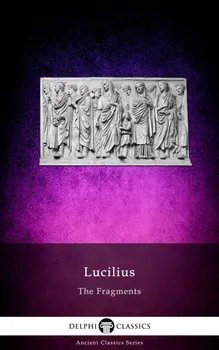
Flourishing in the second century BC, Gaius Lucilius was the earliest Roman satirist. Revered by Cicero, Horace and Juvenal and called by some the inventor of poetical satire, he fashioned his own unique form that owed little to the Greeks. Instead, Lucilius chose for his subject the familiar concerns of everyday life, including politics, wars, justice, eating and drinking, money-making and spending, virtues and the many scandals that much occupied the men and women of Rome in the last quarter of the second century BC. He composed his satires in a forthright, independent and courageous manner, serving no private ambition or party, but writing with an honest desire to expose the follies of his time. Delphi’s Ancient Classics series provides eReaders with the wisdom of the Classical world, offering both English translations and the original Latin texts. This eBook presents Lucilius’ extant fragments, with illustrations, a concise introduction and the usual Delphi bonus material. (Version 1)

* Beautifully illustrated with images relating to Lucilius’ life and works

* Features the complete extant works of Lucilius, in both English translation and the original Latin

* Concise introductions to the fragments

* Includes Lewis Evans’ 1881 translation, with the original footnotes fully hyperlinked

* Excellent formatting of the texts

* Easily locate the fragments you want to read with individual contents tables

* Features three bonus resource texts — discover Lucilius’ ancient world and contribution to Roman literature

CONTENTS:

The Translations

The Fragments

The Latin Texts

List of Latin Texts

The Resources

Introduction to Lucilius (1881) by Lewis Evans

An Essay on the Roman Satirists (1881) by William Gifford

Gaius Lucilius (1911) by William Young Sellar

Over dit boek

Flourishing in the second century BC, Gaius Lucilius was the earliest Roman satirist. Revered by Cicero, Horace and Juvenal and called by some the inventor of poetical satire, he fashioned his own unique form that owed little to the Greeks. Instead, Lucilius chose for his subject the familiar concerns of everyday life, including politics, wars, justice, eating and drinking, money-making and spending, virtues and the many scandals that much occupied the men and women of Rome in the last quarter of the second century BC. He composed his satires in a forthright, independent and courageous manner, serving no private ambition or party, but writing with an honest desire to expose the follies of his time. Delphi’s Ancient Classics series provides eReaders with the wisdom of the Classical world, offering both English translations and the original Latin texts. This eBook presents Lucilius’ extant fragments, with illustrations, a concise introduction and the usual Delphi bonus material. (Version 1)

* Beautifully illustrated with images relating to Lucilius’ life and works

* Features the complete extant works of Lucilius, in both English translation and the original Latin

* Concise introductions to the fragments

* Includes Lewis Evans’ 1881 translation, with the original footnotes fully hyperlinked

* Excellent formatting of the texts

* Easily locate the fragments you want to read with individual contents tables

* Features three bonus resource texts — discover Lucilius’ ancient world and contribution to Roman literature

CONTENTS:

The Translations

The Fragments

The Latin Texts

List of Latin Texts

The Resources

Introduction to Lucilius (1881) by Lewis Evans

An Essay on the Roman Satirists (1881) by William Gifford

Gaius Lucilius (1911) by William Young Sellar

Begin vandaag nog met dit boek voor € 0

  • Krijg volledige toegang tot alle boeken in de app tijdens de proefperiode
  • Geen verplichtingen, op elk moment annuleren
Probeer nu gratis
Meer dan 52.000 mensen hebben Nextory 5 sterren gegeven in de App store en op Google Play.