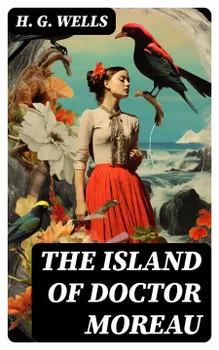
THE ISLAND OF DOCTOR MOREAU : Enriched edition. A Sci-Fi Classic

H. G. Wells' "The Island of Doctor Moreau" intricately weaves themes of colonialism, ethics, and the nature of humanity through a gripping narrative that blends science fiction with gothic elements. Set in the late 19th century, the novel explores the harrowing tale of Edward Prendick, who becomes marooned on a mysterious island controlled by the tyrannical scientist Dr. Moreau. Using vivisection, Moreau transforms animals into human-like creatures, prompting readers to ponder the implications of playing god and the moral boundaries of scientific experimentation. Wells' masterful use of vivid imagery and rich symbolism heightens the philosophical discourse, making this work a cornerstone of early science fiction literature. H. G. Wells, often hailed as the father of science fiction, drew from his experiences as a social commentator and an advocate for scientific progress. His keen interest in evolution, spurred by the works of Darwin and contemporaneous debates on ethics in science, undoubtedly informed his visceral portrayal of Moreau's experiments. Through his complex characters and unsettling scenarios, Wells criticizes humanity's propensity for hubris and the potential consequences of unbridled technological advancement. This compelling narrative is not merely an adventure story; it is a profound reflection on the essence of humanity and morality in the face of scientific progress. "The Island of Doctor Moreau" is highly recommended for readers interested in the ethical complexities within scientific inquiry and the darker sides of human nature, making it a timeless piece that continues to resonate in contemporary dialogues.

In this enriched edition, we have carefully created added value for your reading experience:

- A succinct Introduction situates the work's timeless appeal and themes.

- The Synopsis outlines the central plot, highlighting key developments without spoiling critical twists.

- A detailed Historical Context immerses you in the era's events and influences that shaped the writing.

- An Author Biography reveals milestones in the author's life, illuminating the personal insights behind the text.

- A thorough Analysis dissects symbols, motifs, and character arcs to unearth underlying meanings.

- Reflection questions prompt you to engage personally with the work's messages, connecting them to modern life.

- Hand‐picked Memorable Quotes shine a spotlight on moments of literary brilliance.

- Interactive footnotes clarify unusual references, historical allusions, and archaic phrases for an effortless, more informed read.

Over dit boek

H. G. Wells' "The Island of Doctor Moreau" intricately weaves themes of colonialism, ethics, and the nature of humanity through a gripping narrative that blends science fiction with gothic elements. Set in the late 19th century, the novel explores the harrowing tale of Edward Prendick, who becomes marooned on a mysterious island controlled by the tyrannical scientist Dr. Moreau. Using vivisection, Moreau transforms animals into human-like creatures, prompting readers to ponder the implications of playing god and the moral boundaries of scientific experimentation. Wells' masterful use of vivid imagery and rich symbolism heightens the philosophical discourse, making this work a cornerstone of early science fiction literature. H. G. Wells, often hailed as the father of science fiction, drew from his experiences as a social commentator and an advocate for scientific progress. His keen interest in evolution, spurred by the works of Darwin and contemporaneous debates on ethics in science, undoubtedly informed his visceral portrayal of Moreau's experiments. Through his complex characters and unsettling scenarios, Wells criticizes humanity's propensity for hubris and the potential consequences of unbridled technological advancement. This compelling narrative is not merely an adventure story; it is a profound reflection on the essence of humanity and morality in the face of scientific progress. "The Island of Doctor Moreau" is highly recommended for readers interested in the ethical complexities within scientific inquiry and the darker sides of human nature, making it a timeless piece that continues to resonate in contemporary dialogues.

In this enriched edition, we have carefully created added value for your reading experience:

- A succinct Introduction situates the work's timeless appeal and themes.

- The Synopsis outlines the central plot, highlighting key developments without spoiling critical twists.

- A detailed Historical Context immerses you in the era's events and influences that shaped the writing.

- An Author Biography reveals milestones in the author's life, illuminating the personal insights behind the text.

- A thorough Analysis dissects symbols, motifs, and character arcs to unearth underlying meanings.

- Reflection questions prompt you to engage personally with the work's messages, connecting them to modern life.

- Hand‐picked Memorable Quotes shine a spotlight on moments of literary brilliance.

- Interactive footnotes clarify unusual references, historical allusions, and archaic phrases for an effortless, more informed read.

Begin vandaag nog met dit boek voor € 0

  • Krijg volledige toegang tot alle boeken in de app tijdens de proefperiode
  • Geen verplichtingen, op elk moment annuleren
Probeer nu gratis
Meer dan 52.000 mensen hebben Nextory 5 sterren gegeven in de App store en op Google Play.

  1. 4.5

    Ann Veronica

    H.G. Wells

  2. 3.0

    50 Masterpieces you have to read before you die vol: 1 (2020 Edition) : Included: Little Women, The Richest Man in Babylon Emma, The Call Of The Wild ....

    Louisa May Alcott, Dante Alighieri, Marcus Aurelius, Jane Austen, L. Frank Baum, Charlotte Brontë, Emily Brontë, Anne Brontë, Miguel de Cervantes, Agatha Christie, George S. Clason, Arthur Conan Doyle, Joseph Conrad, Charles Dickens, Fyodor Dostoyevsky, Alexandre Dumas, George Eliot, G.K. Chesterton, G.K. Chesterton, Zane Grey, Nathaniel Hawthorne, Napoleon Hill, Homer, Victor Hugo, Frances Hodgson Burnett, Washington Irving, Henry James, Franz Kafka, Rudyard Kipling, Jack London, Leo Tolstoy, H.P. Lovecraft, Lucy Maud Montgomery, Joseph Murphy, Robert Louis Stevenson, Edgar Allan Poe, Marcel Proust, Publius, Mary Shelley, Bram Stoker, Mark Twain, Sun Tzu, Lew Wallace, Wallace D. Wattles, H.G. Wells

  3. 5.0

    The Sleeper Awakes

    H.G. Wells

  4. 4.0

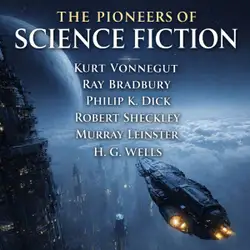
    The Pioneers of Science Fiction

    Kurt Vonnegut, Ray Bradbury, Philip K Dick, Robert Sheckley, Murray Leinster, H.G. Wells

  5. The Invisible Man (Unabridged)

    H.G. Wells, Jonathan Barnes

  6. The Book of Shadows II

    Bram Stoker, Hugh Walpole, Robert W. Chambers, H.G. Wells, W. Jacobs, Arthur Machen, Mary Eleanor Wilkins Freeman, Mary Webb, John Buchan, Wilhelm Hauff

  7. The Book of Shadows

    Arthur Quiller-Couch, Robert W. Chambers, H.G. Wells, Mary E. Wilkins Freeman, E Nesbit, Barry Pain, E F Benson, D. H. Lawrence, Thomas Burke

  8. The Essential Classics Collection : 1984; Great Expectations; The Brothers Karamazov; Pride and Prejudice; & The War of the Worlds

    George Orwell, Fyodor Dostoyevsky, Charles Dickens, Jane Austen, H.G. Wells

  9. 3.0

    The War of the Worlds - Audiobook

    H.G. Wells, Classic Audiobooks

  10. 3.5

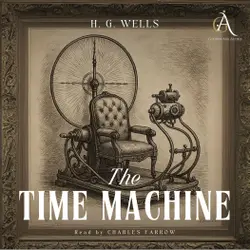
    The Time Machine - Audiobook

    H.G. Wells, Classic Audiobooks

  11. The Book of Shadows Vol II : Supernatural Horror & Occult Fiction – A Chilling Anthology of Witchcraft, Curses, and Dark Forces

    Bram Stoker, Robert W. Chambers, H.G. Wells, W. W. Jacobs, Mary Eleanor Wilkins Freeman, Arthur Machen, Mary Webb, John Buchan, W. F. Harvey, Hugh Walpole

  12. The Book of Shadows : A Supernatural Anthology of Witches, Hauntings & Occult Horrors – Chilling Tales by Master Storytellers

    Arthur Quiller-Couch, Robert W. Chambers, H.G. Wells, Mary E. Wilkins Freeman, Edith Nesbit, Barry Pain, E F Benson, D. H. Lawrence, Thomas Burke