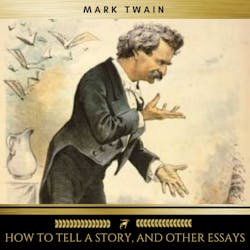
In "How to Tell a Story, and Other Essays," Mark Twain masterfully navigates the complexities of narrative form, employing his signature wit and a keen eye for detail. The essays, rich with regional dialects and humor, explore the art of storytelling, revealing the nuances that differentiate a compelling tale from mere recounting. Set against the backdrop of 19th-century American literature, Twain's work resonates with the evolving traditions of humor and realism, demonstrating his profound understanding of both character and context in storytelling. Mark Twain, born Samuel Langhorne Clemens, is often regarded as the father of American literature. His extensive travels and experiences, from the banks of the Mississippi River to the bustling streets of Europe, greatly enriched his perspective. These diverse encounters rendered him a keen observer of human nature and societal quirks, which significantly influenced his writing style and themes. Twain's mastery in capturing the vernacular and cultural idiosyncrasies positioned him as a pivotal figure in American literary history. This collection is essential for anyone seeking to grasp the fundamentals of narrative construction infused with humor and insight. Twain's unique voice not only entertains but also serves as a valuable guide to aspiring writers and curious readers alike, reinforcing the timeless relevance of storytelling in the human experience.
In this enriched edition, we have carefully created added value for your reading experience:
- A comprehensive Introduction outlines these selected works' unifying features, themes, or stylistic evolutions.
- The Author Biography highlights personal milestones and literary influences that shape the entire body of writing.
- A Historical Context section situates the works in their broader era—social currents, cultural trends, and key events that underpin their creation.
- A concise Synopsis (Selection) offers an accessible overview of the included texts, helping readers navigate plotlines and main ideas without revealing critical twists.
- A unified Analysis examines recurring motifs and stylistic hallmarks across the collection, tying the stories together while spotlighting the different work's strengths.
- Reflection questions inspire deeper contemplation of the author's overarching message, inviting readers to draw connections among different texts and relate them to modern contexts.
- Lastly, our hand‐picked Memorable Quotes distill pivotal lines and turning points, serving as touchstones for the collection's central themes.